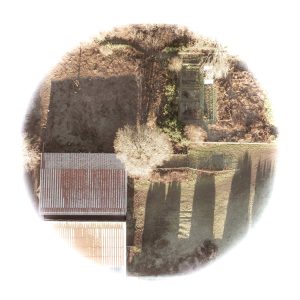

In the winter of 2021, five apple trees were planted here – amidst a horrible ocean of plastic mulch sheets, now long gone. The following year they yielded thirteen apples between them. In 2023 and 2024, around seventy. This year, it’s looking more like two hundred.
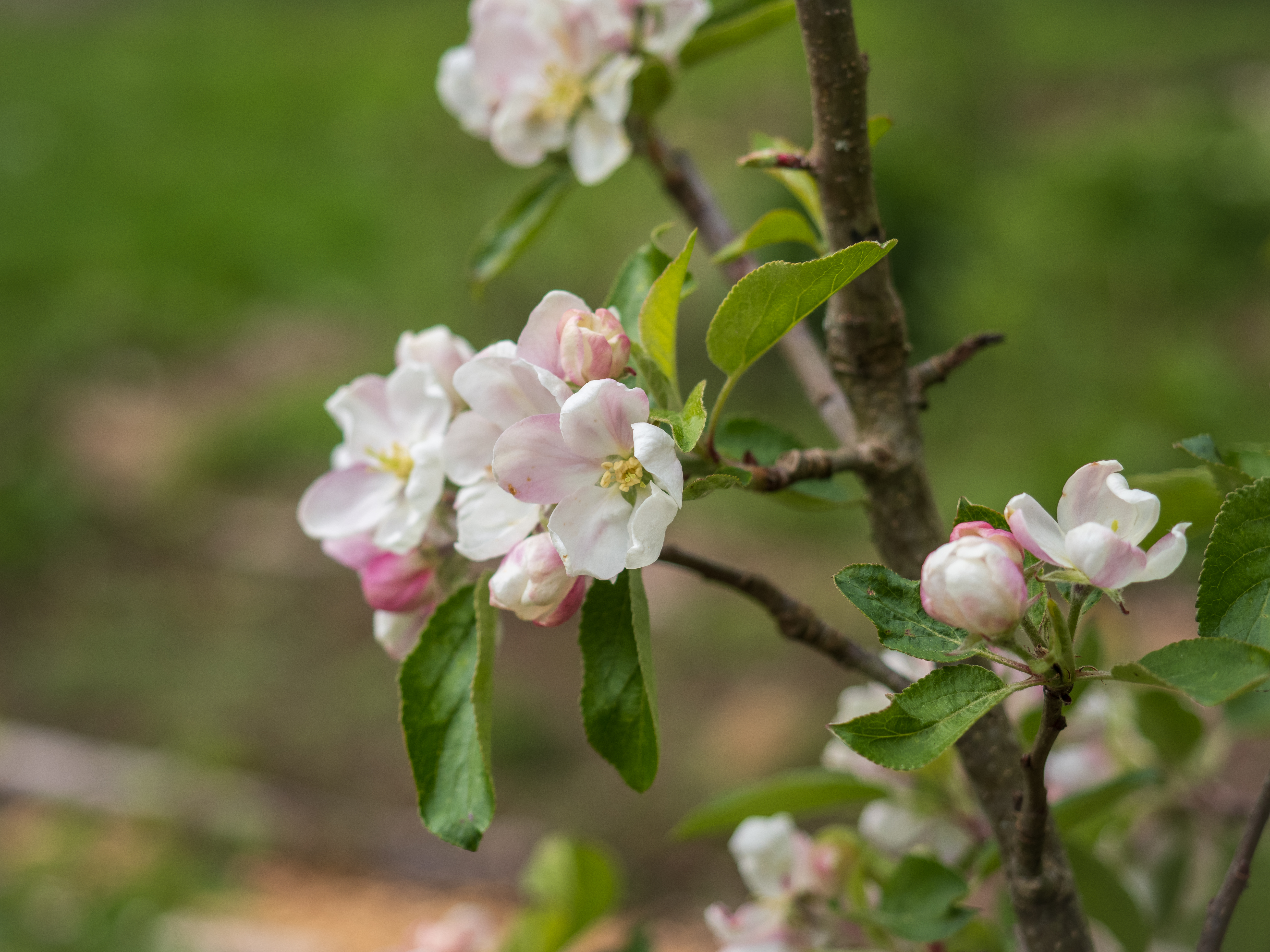
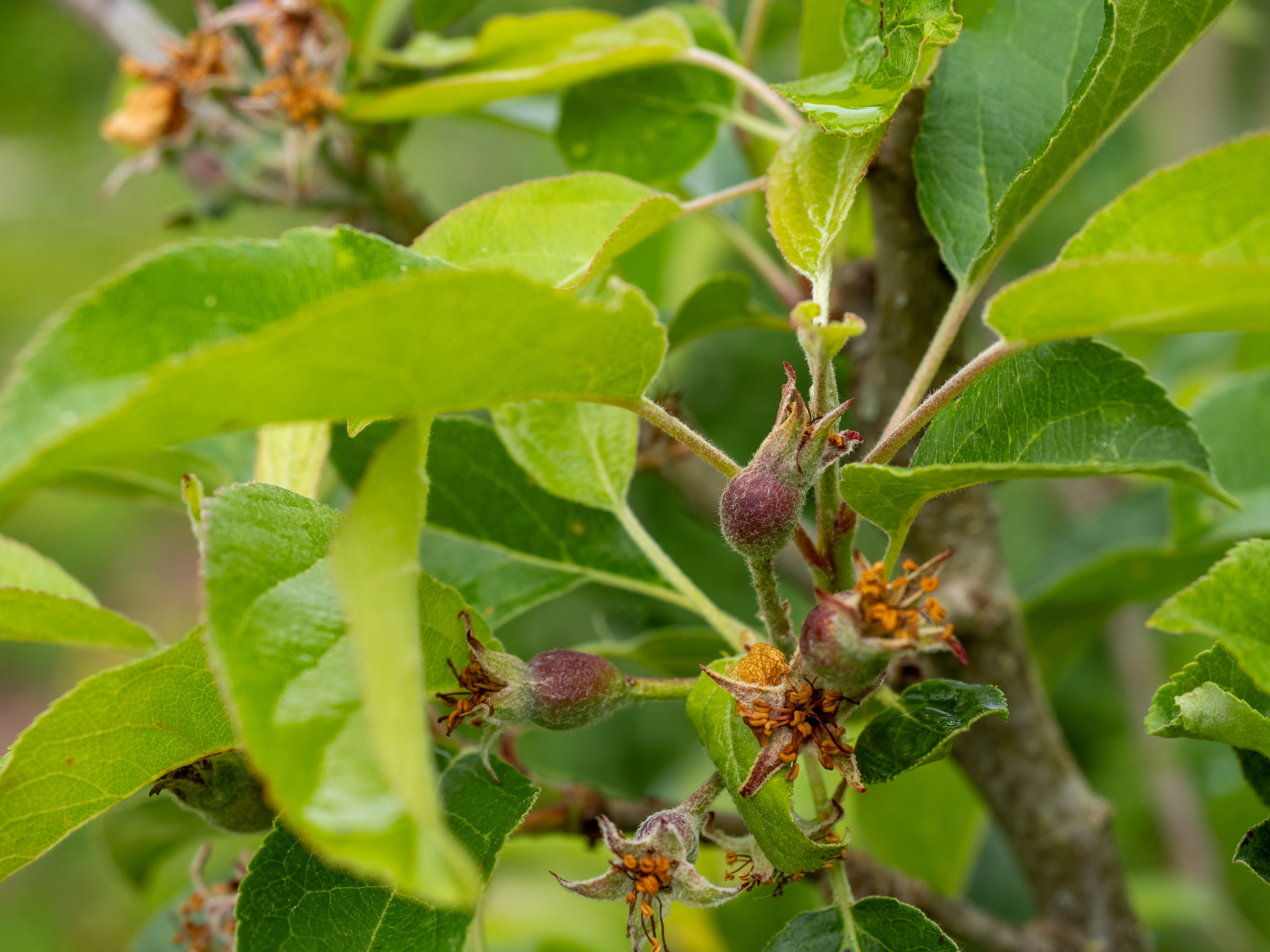
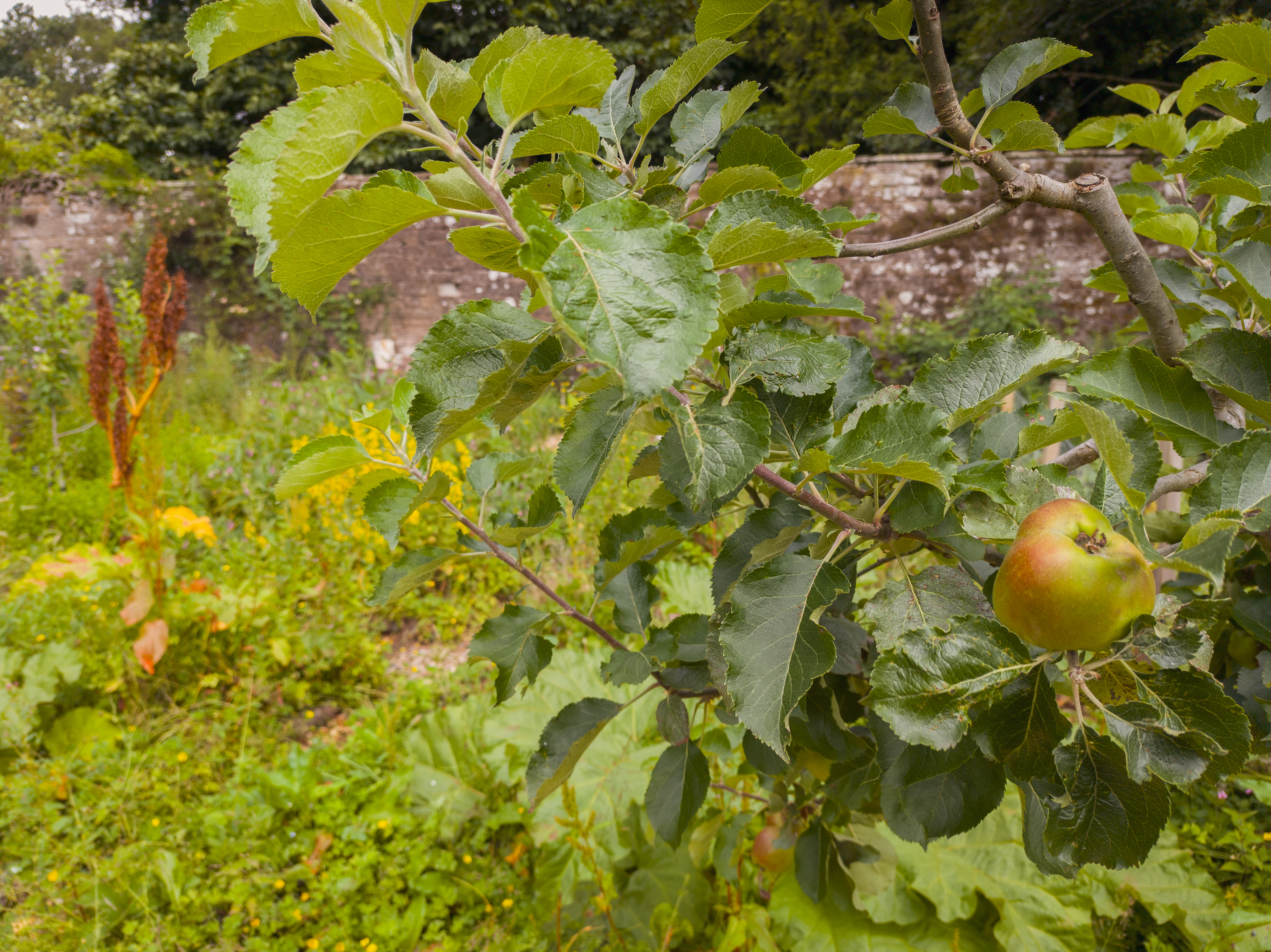
A large proportion won’t end up being eaten by humans, of course. But still. That trajectory – from thirteen to two hundred in four years, with two of the trees severely set back by rabbit damage in their first winter – feels fairly significant.
It also means that my pruning, which I find stressful in a way I can’t entirely explain, hasn’t been a disaster. Not yet, anyway.
Pears are still on the very low side, and no plums from any of the four varieties yet.
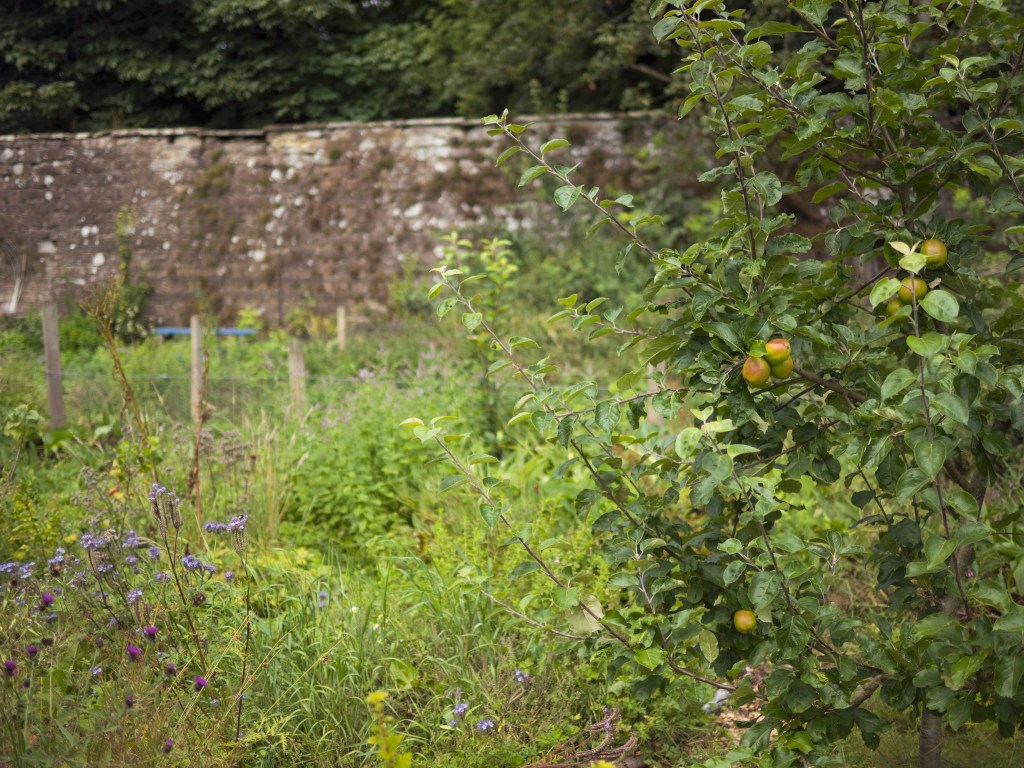
The trees have had very little help: occasional mulch at the base, cardboard and woodchip mostly. The record drought, now finally broken, didn’t seem to faze them at all. Their place within the forest garden suits them – the system around them is clearly doing important work
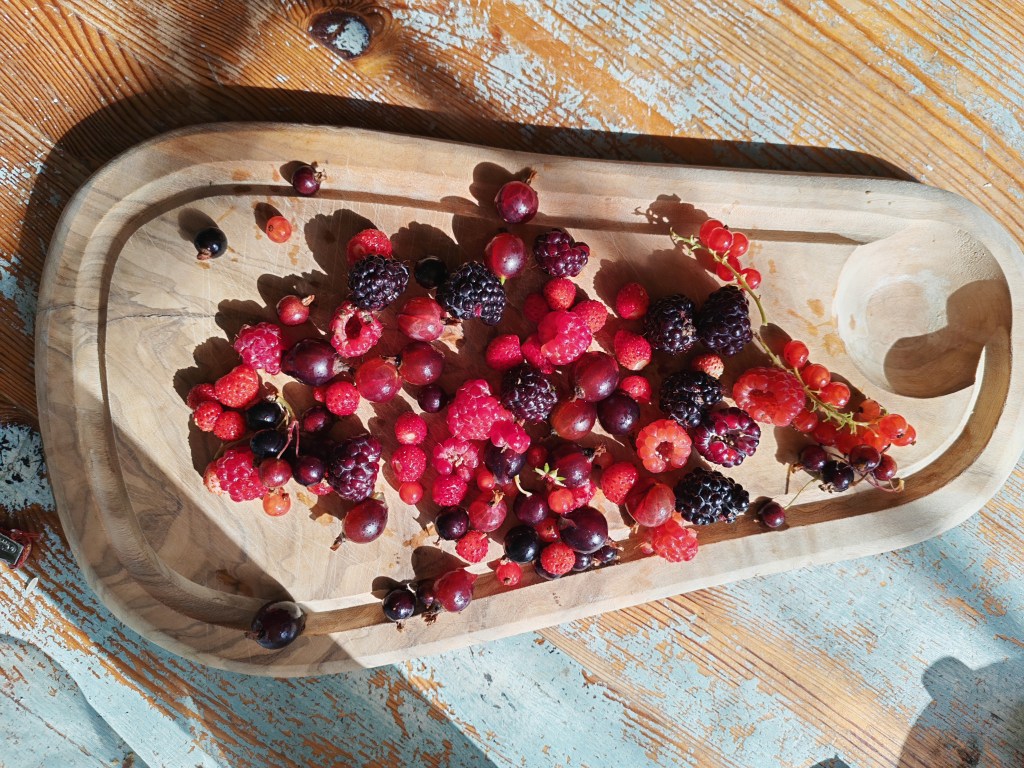
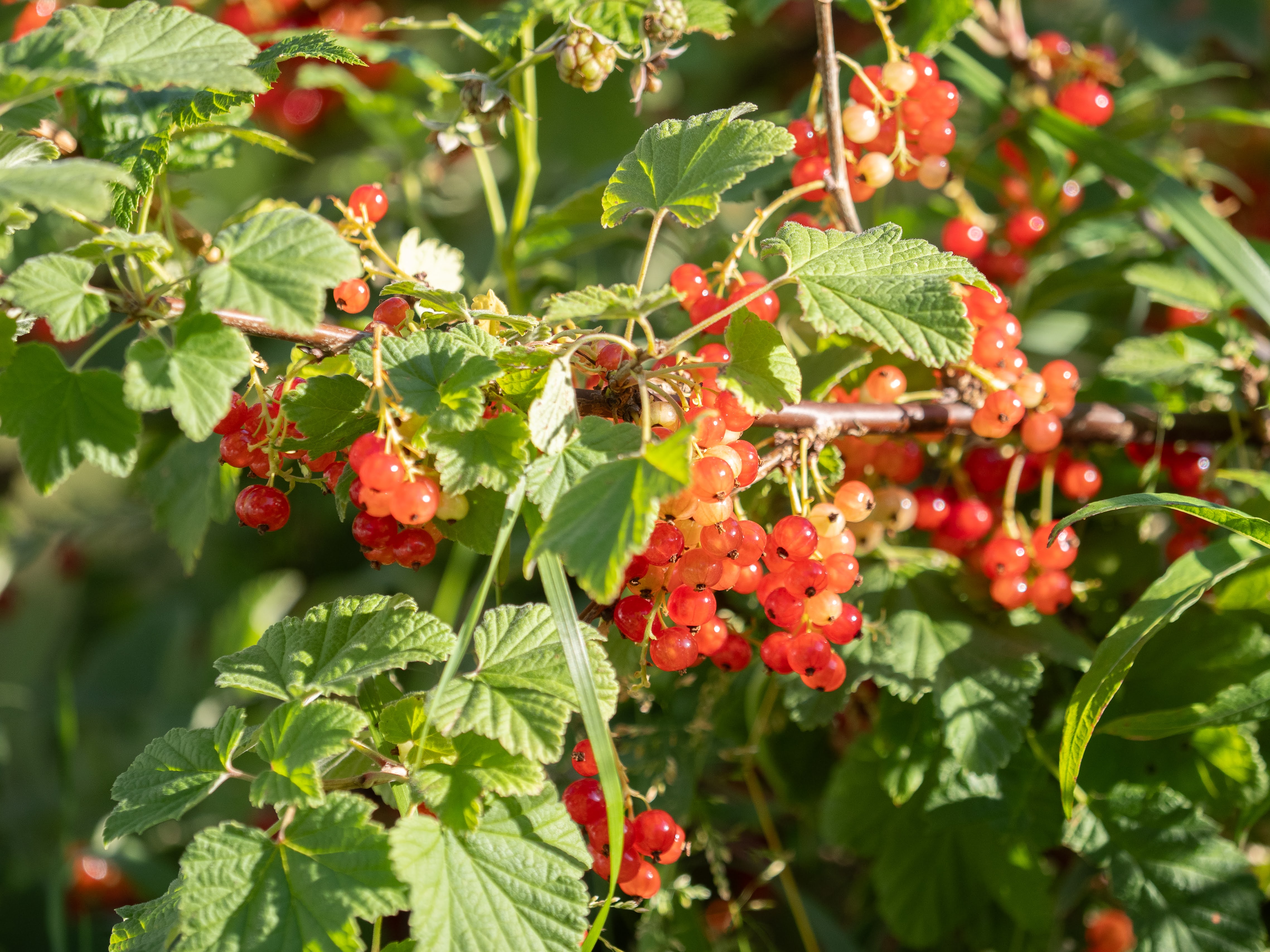
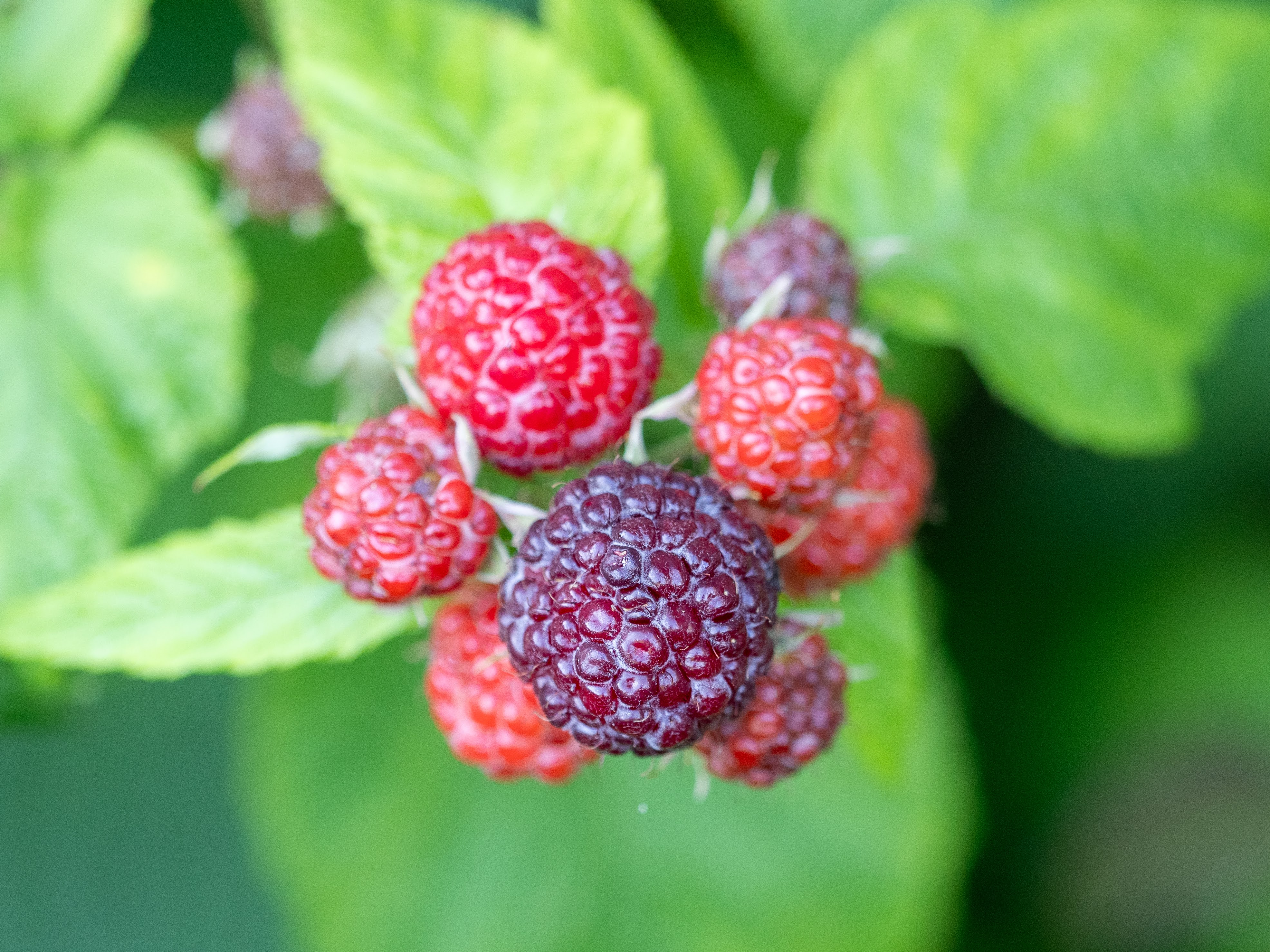
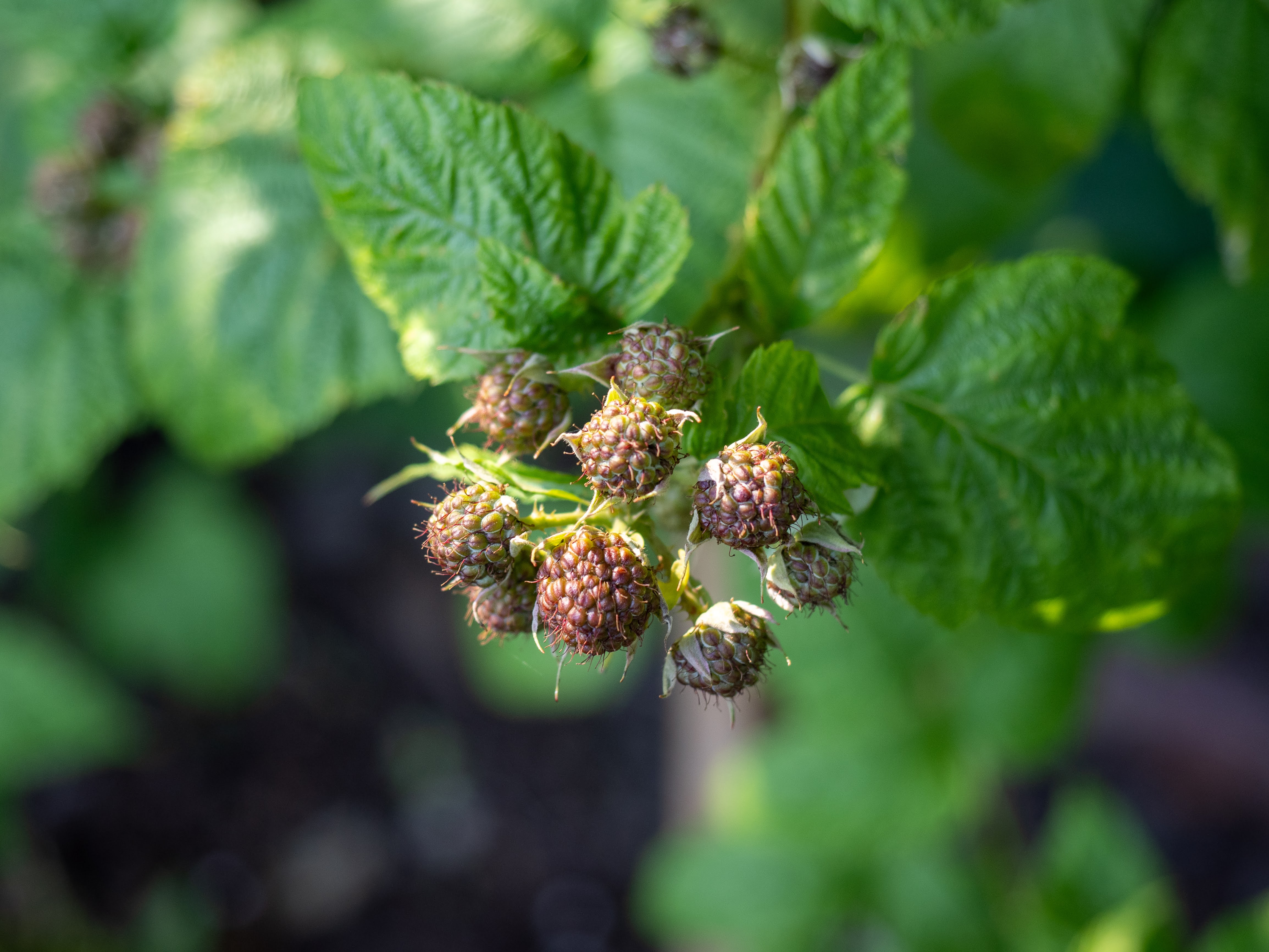
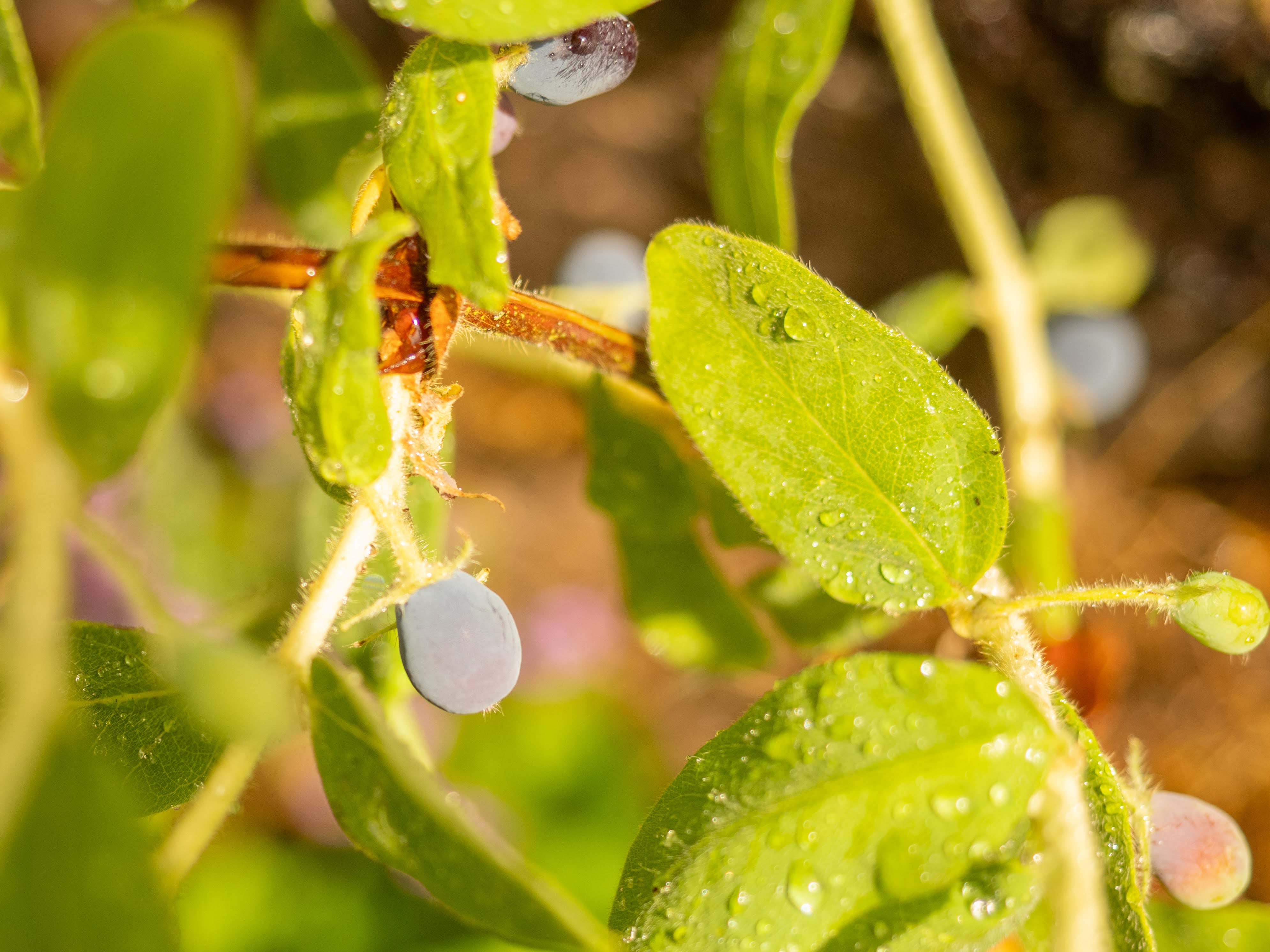
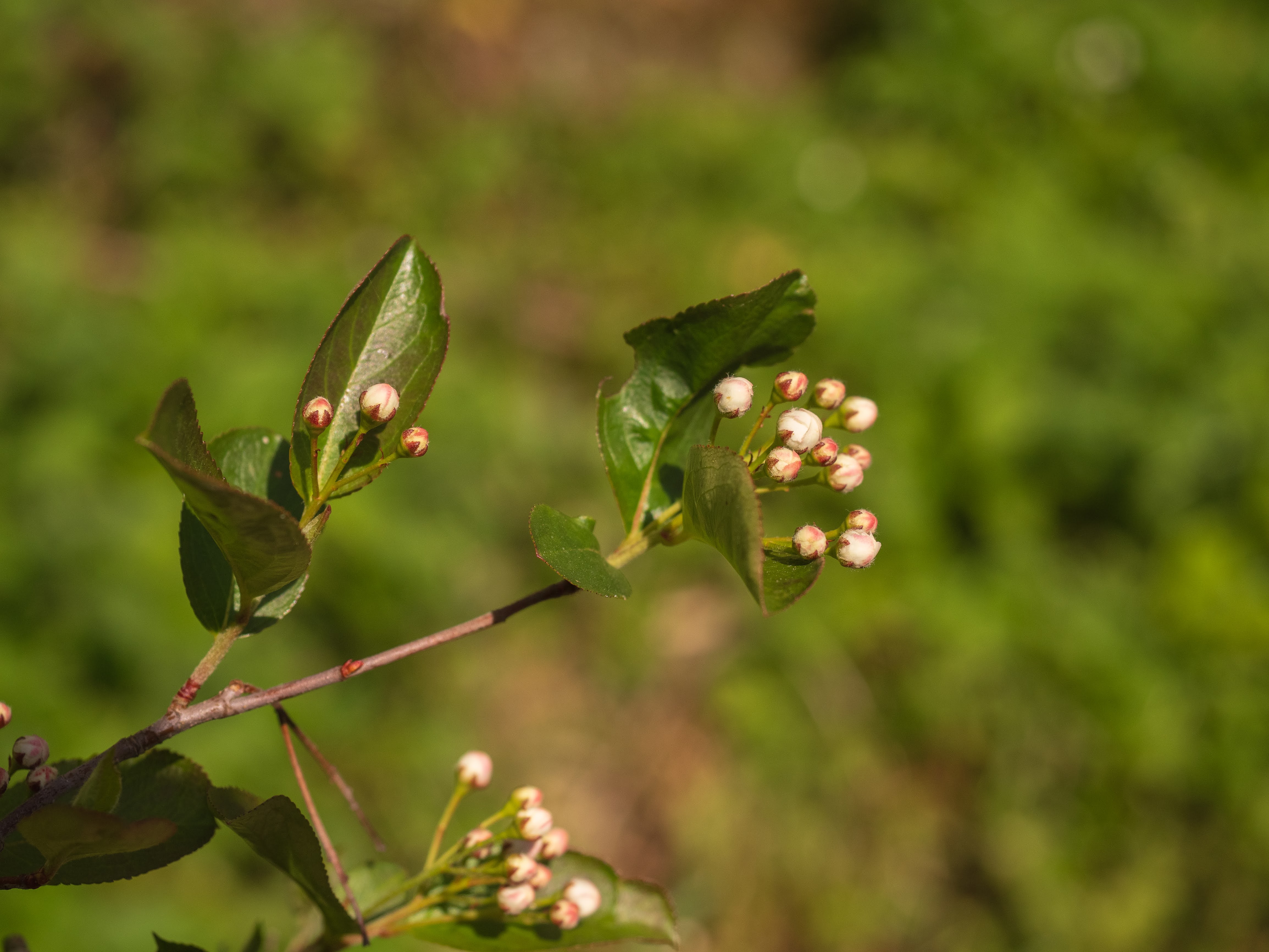
The berry harvest this year is something else entirely. Jostaberry, worcesterberry, and North American black raspberry are producing with a generosity I hadn’t anticipated so soon. I also hadn’t anticipated their deliciousness. Alongside them: redcurrants, blackcurrants, Siberian honeyberry, gooseberries, whitecurrants, raspberries, wild strawberries, elderberries and even a few little arctic brambles. The list grows longer each year, and so does the harvest. The forest garden area is starting to become a place of seriously generous foraging, at least in some form.
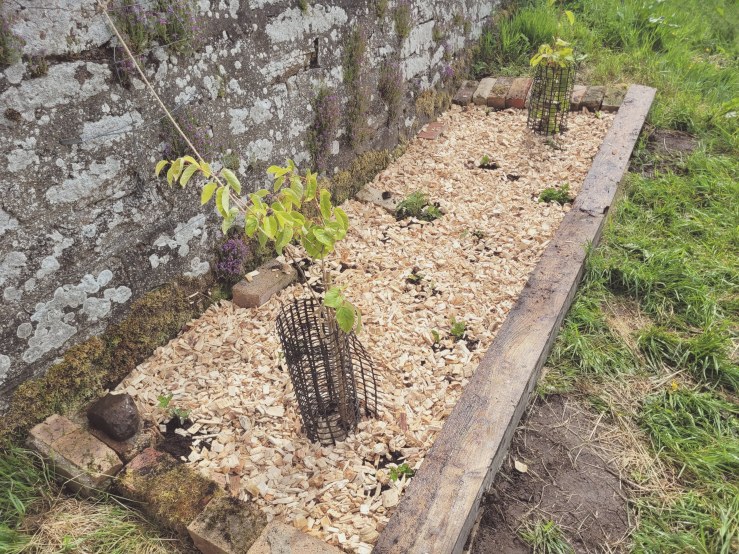
One wildcard addition this year deserves a mention. Two Chinese hardy kiwi plants – a male and a female – have gone in against the west-facing wall. Hardy to -25°C, which even by Scottish standards should be sufficient. The fruits, when they eventually come, will be grape-sized and smooth-skinned, quite unlike the familiar antipodean kiwi. Pollination is required, hence the pair. Fruiting is likely five years away, perhaps more.
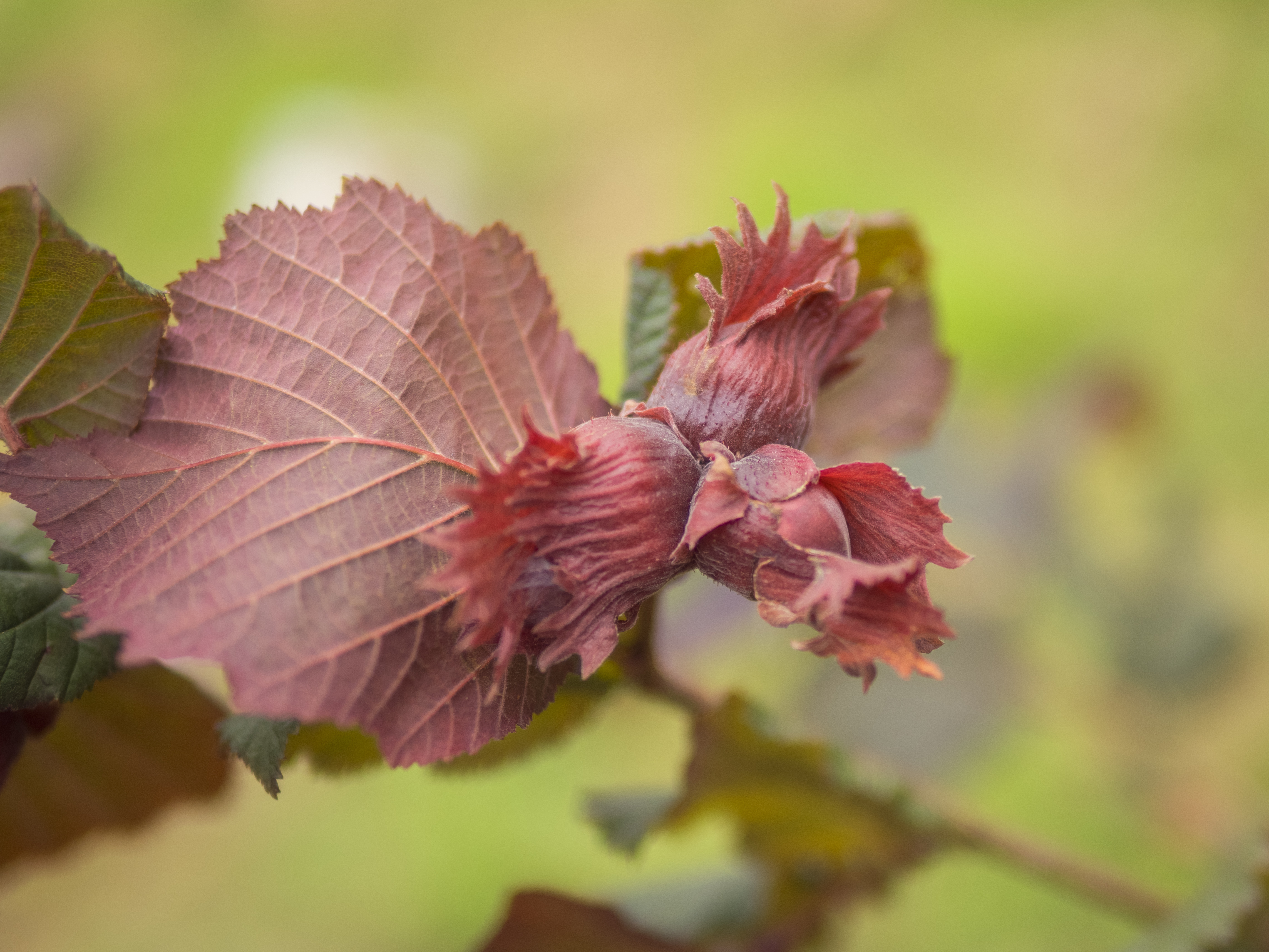
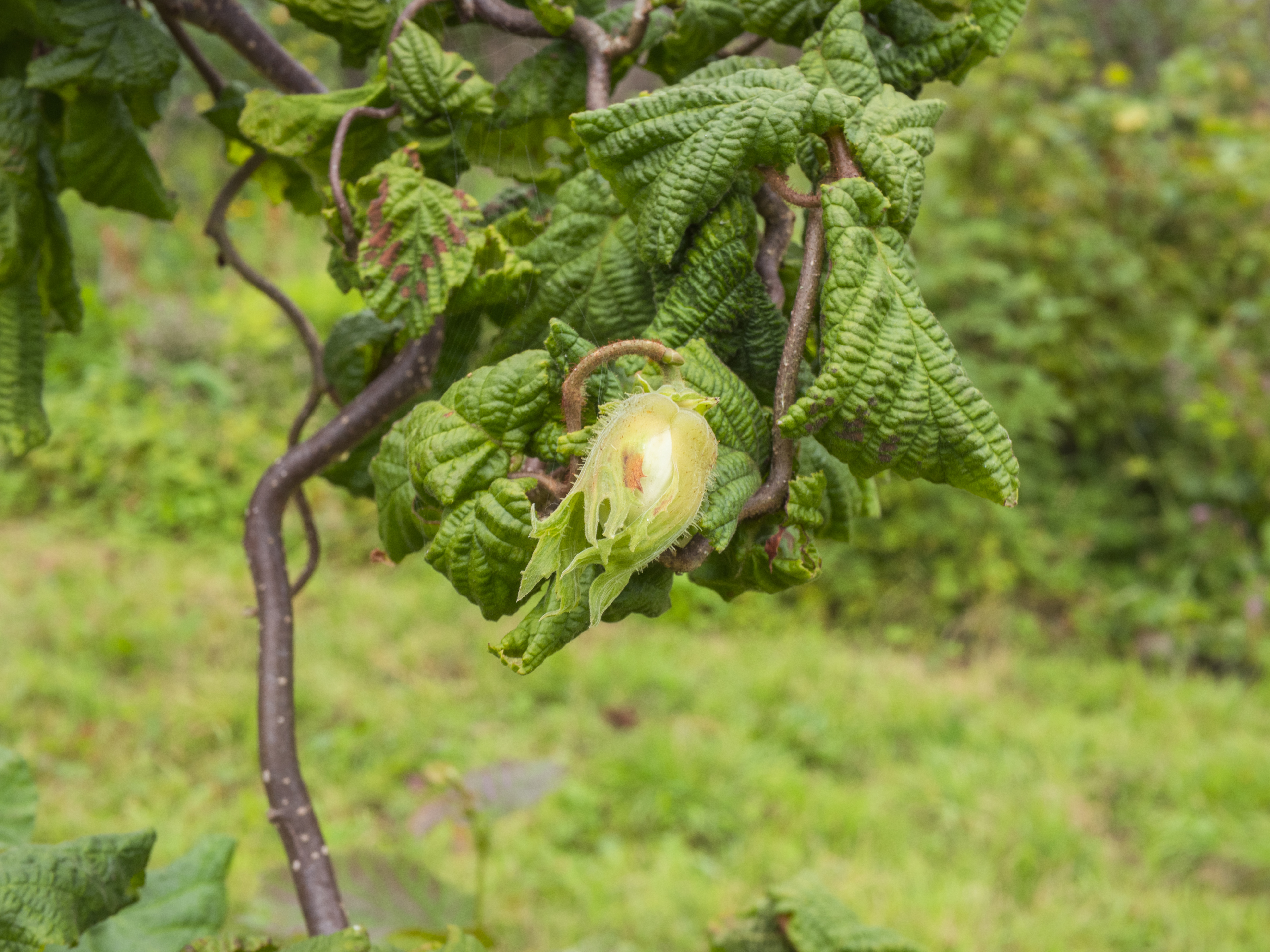
Later in the season, the garden’s first ever hazelnuts. From the contorta and purple filbert. These are unlikely to ever be heavily cropping hazel trees, so I will need to introduce some different varieties next year to make up for that.

 The Bamff Walled Garden.