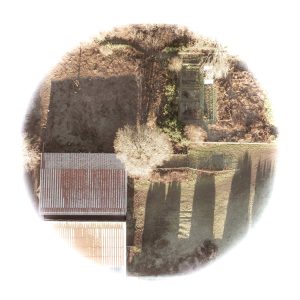
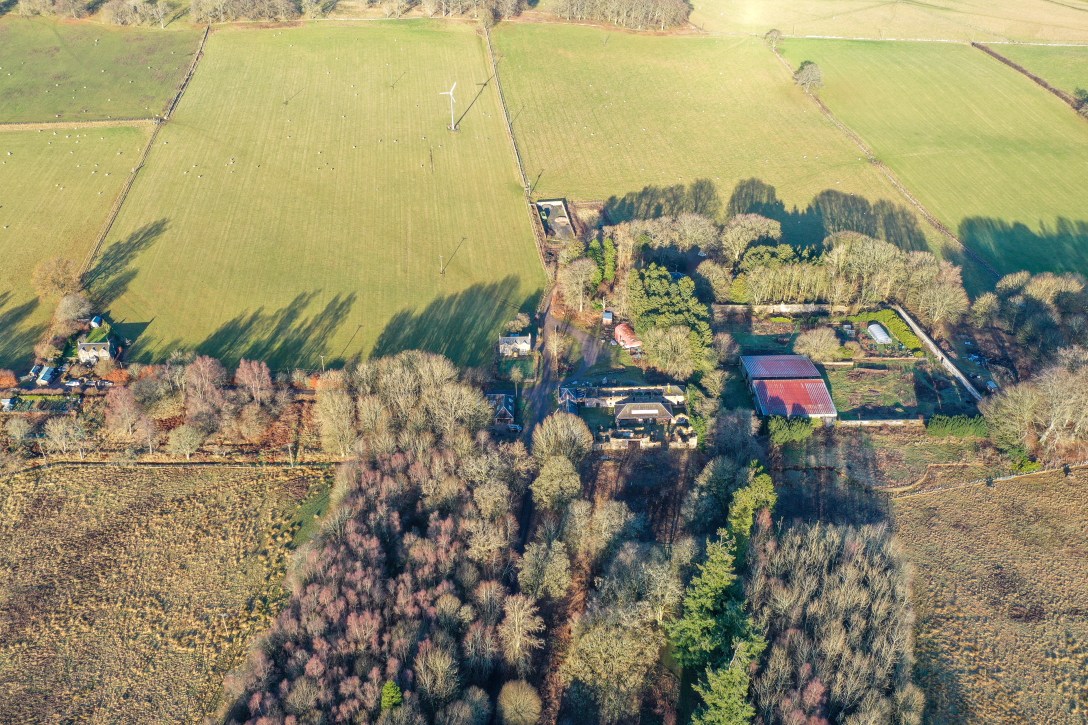
This year marks the third anniversary of the walled garden project, and it will also be a pivotal one as we fine-tune its purpose for the future. Some conclusions are already becoming clear. Can it serve as the site for a viable commercial market garden business? Unfortunately, no – not really, at least not presently. The garden faces significant challenges due to its high altitude and frequent struggles with various pests. Additionally, cold air noticeably tumbles down the gradient from west to east, further diminishing its competitiveness as a growing site. While some of these “complaints” can be at least partially mitigated, a starker reality remains: even small, established market gardeners operating in far more favorable conditions are struggling to make ends meet, with some abandoning the effort altogether.

The fundamental reasons for these struggles are primarily linked to inadequate government support and the monopolistic power of supermarkets. For small-scale growers to thrive in the future, a regional network of partially subsidized growers must operate in parallel with the existing system. Such a network would provide incentives to benefit both producers and consumers – perhaps through a parallel currency that rewards local produce, goods, labour, and customers. This idea is just one component of a multi-faceted plan I envision for sustainable food and crop production, not only at Bamff but also across regions like Perthshire, Tayside, and beyond.
This kind of new paradigm could create opportunities for a revitalized rural labour force. It also presents an opportunity to address broader injustices of land ownership and to forge a path toward re-peopling Scotland’s rural areas in a way that is meaningful, just, ecological, nurturing, and productive. For now, this may seem like an unachievable utopian vision. However, in light of the looming realities of climate breakdown and multiple pending catastrophes, the need for an alternative system – one that prioritizes resilience, care, ecology, and egalitarianism – has never been more urgent.
At the heart of this vision lies the need for a viable system of meaningful production. Whether through food or other valuable crops (such as fibers, medicines, or materials), we must explore and identify those that are best suited to specific locations. Some areas may always remain at a disadvantage, and in such cases, rewilding should take precedence.
At Bamff – currently home to hundreds of acres of sheep farming – we have the opportunity to experiment with specific crops on small test sites. By researching what may or may not thrive here, and ensuring these efforts contribute to biodiversity gain rather than loss, we can begin to evaluate the land’s potential for high-yield food production.
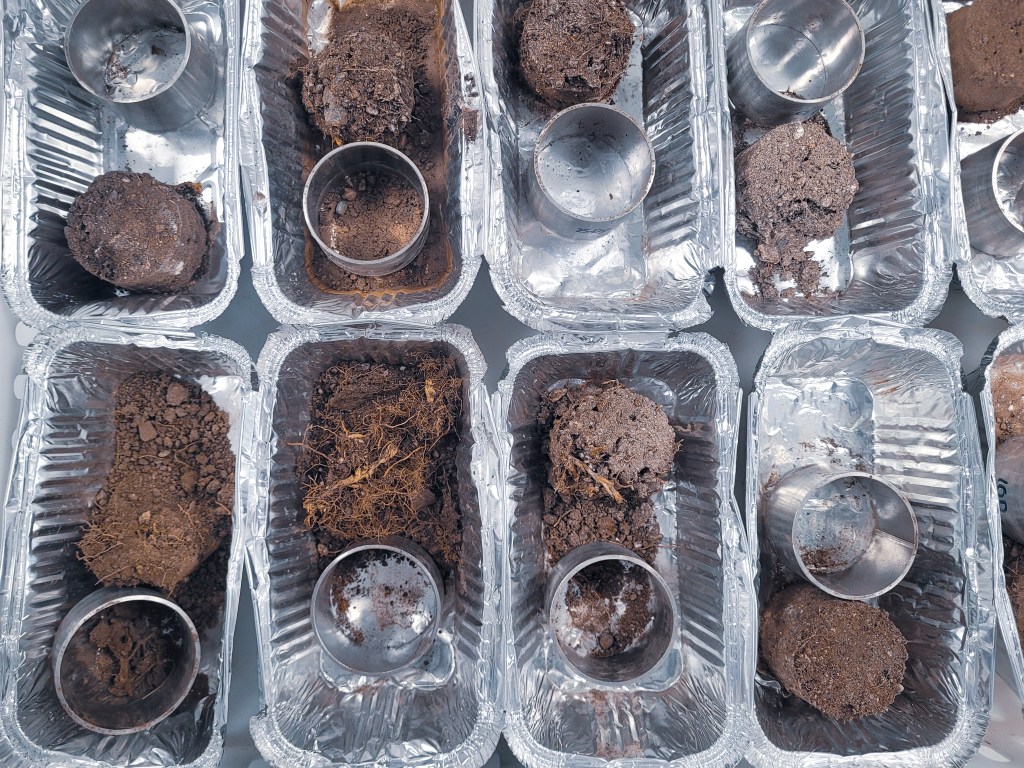
With the help of soil scientists and experts in new agricultural paradigms, we can initiate a process of experimentation to determine future agricultural pursuits that may eventually replace sheep farming. During this transition, it is crucial to respect the farmers who currently work the land. Their expertise, knowledge, and lifelong connection to farming must be acknowledged and supported throughout the process. They should be invited to participate as deeply as they wish, ensuring that their voices are integral to shaping this new direction.
By initiating and overseeing these important first steps, and by inviting members of the community and beyond to come together to discuss and explore them, the walled garden can hopefully become a space that inspires and fosters collaboration.
A landscape that combines rewilding, re-peopling, and productivity represents a future many dream of. At Bamff, we aspire to contribute to the conversation, research, and implementation needed to make this vision a reality.

 The Bamff Walled Garden.