“Invasion” was a dominant theme of the polytunnel area this spring and early summer.
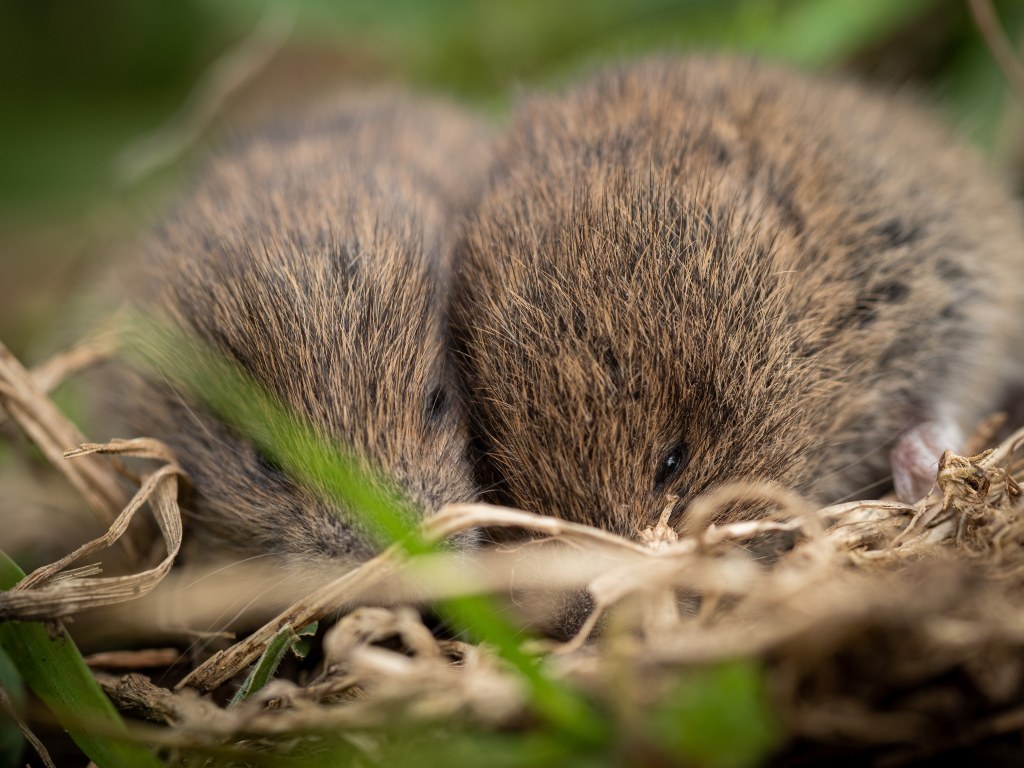
In 2022, I discovered a very cute clutch of baby voles outside the newly made polytunnel. After spending ages photographing, stroking, and holding them, I placed them back where I found them, feeling the warmth and fuzziness associated with encountering such adorable creatures. And of course posting all about it on social media.
I should have understood the full implications of how a whole family of voles, living next to my vegetable-growing area, might have some kind of significant future impact there. Last year, when turning the compost inside the dalek composting bins, I found more voles enjoying the warmth within the cozy heated compost. Then, come spring—when the first seeds were planted in modules—it took me a while to realize that the reason my seeds were being demolished was not little birds finding their way in, but voles (as a trail camera confirmed)!
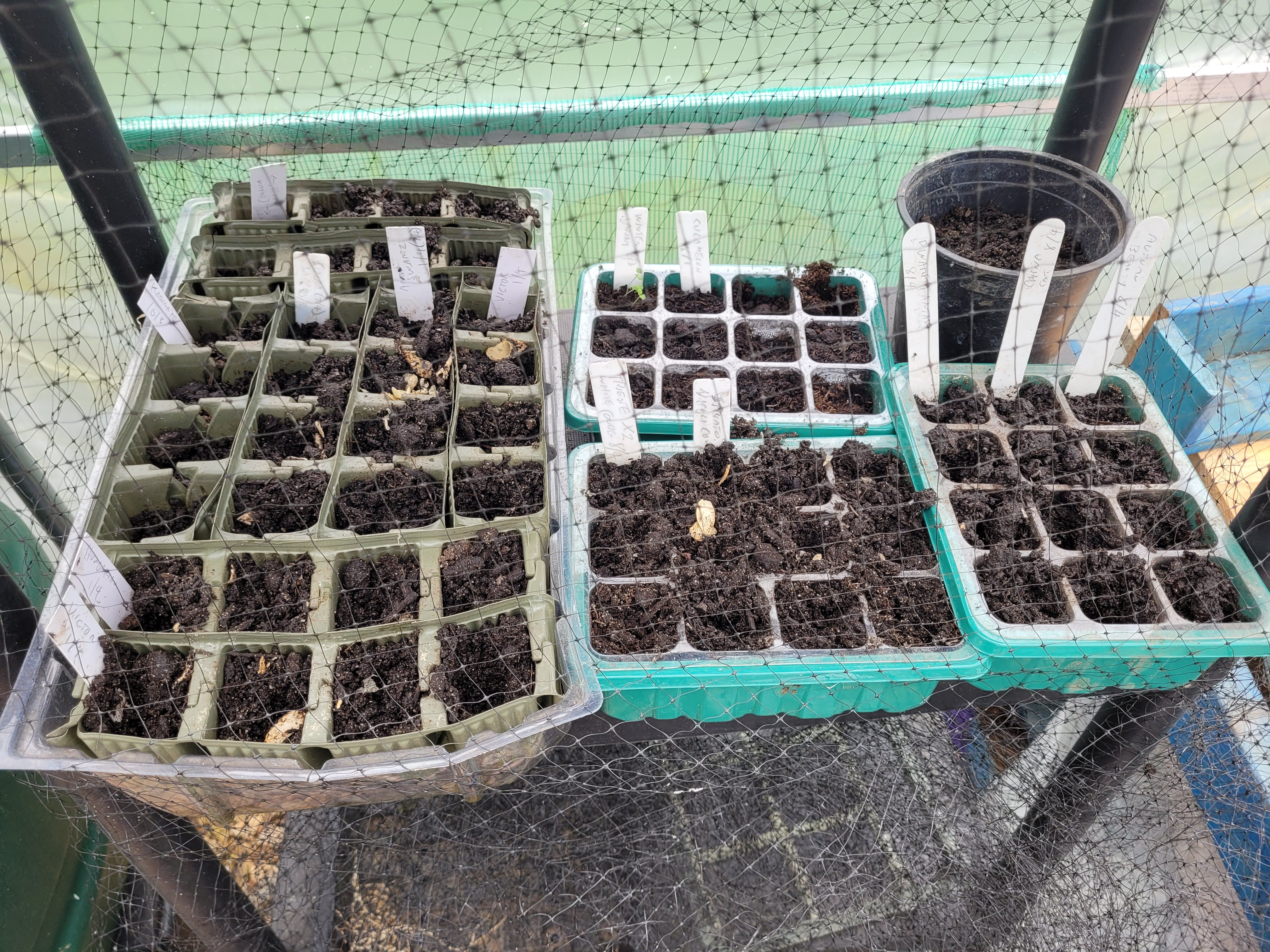
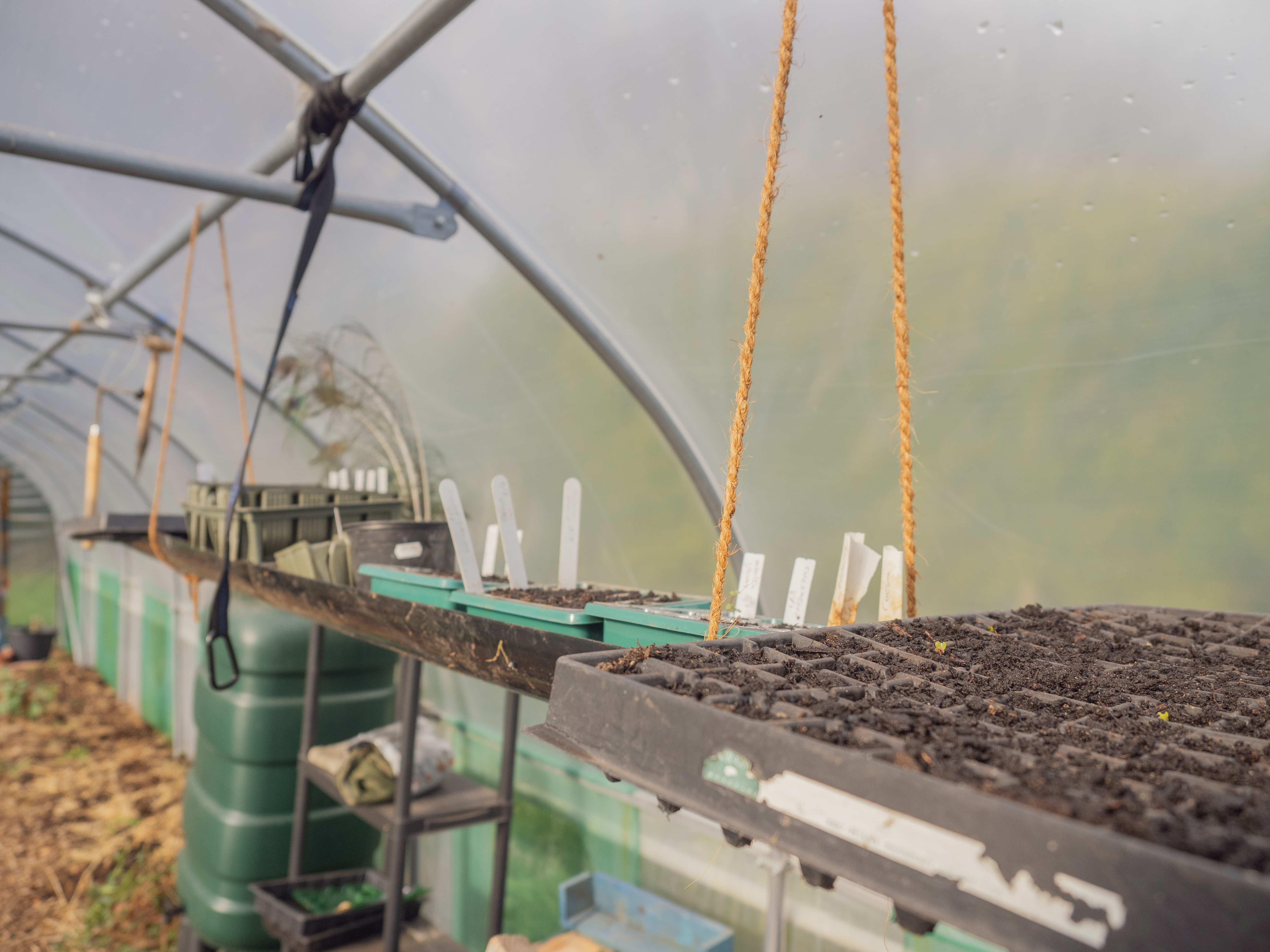
Just covering them with netting, such as pictured above, wasn’t enough. My solutions were then to suspend the growing modules up beyond their reach and, later, to use some live traps, allowing me to translocate them. By this time, however, we were already into mid June, and it was a little too late to catch up with certain crops. Additionally, some shockingly cold weather also arrived in mid-June (reaching below zero degrees), ruining many tender plants outside the tunnel. The voles also targeted established vegetables—particularly the lovely beetroots that were forming in the tunnel, as well as the stalks of climbing beans and even tomatoes!
At least next year, I’ll be more prepared for any invading voles…
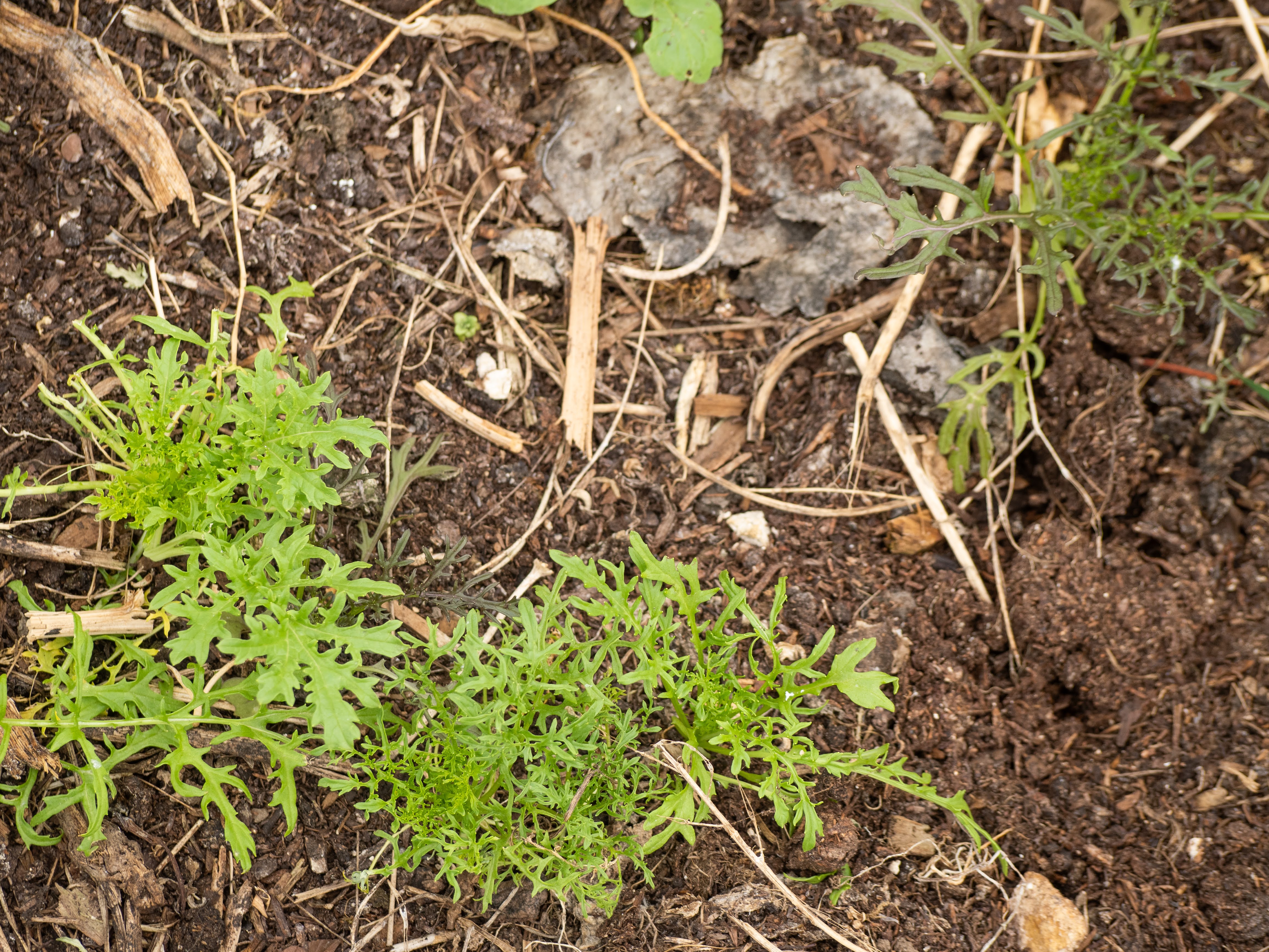
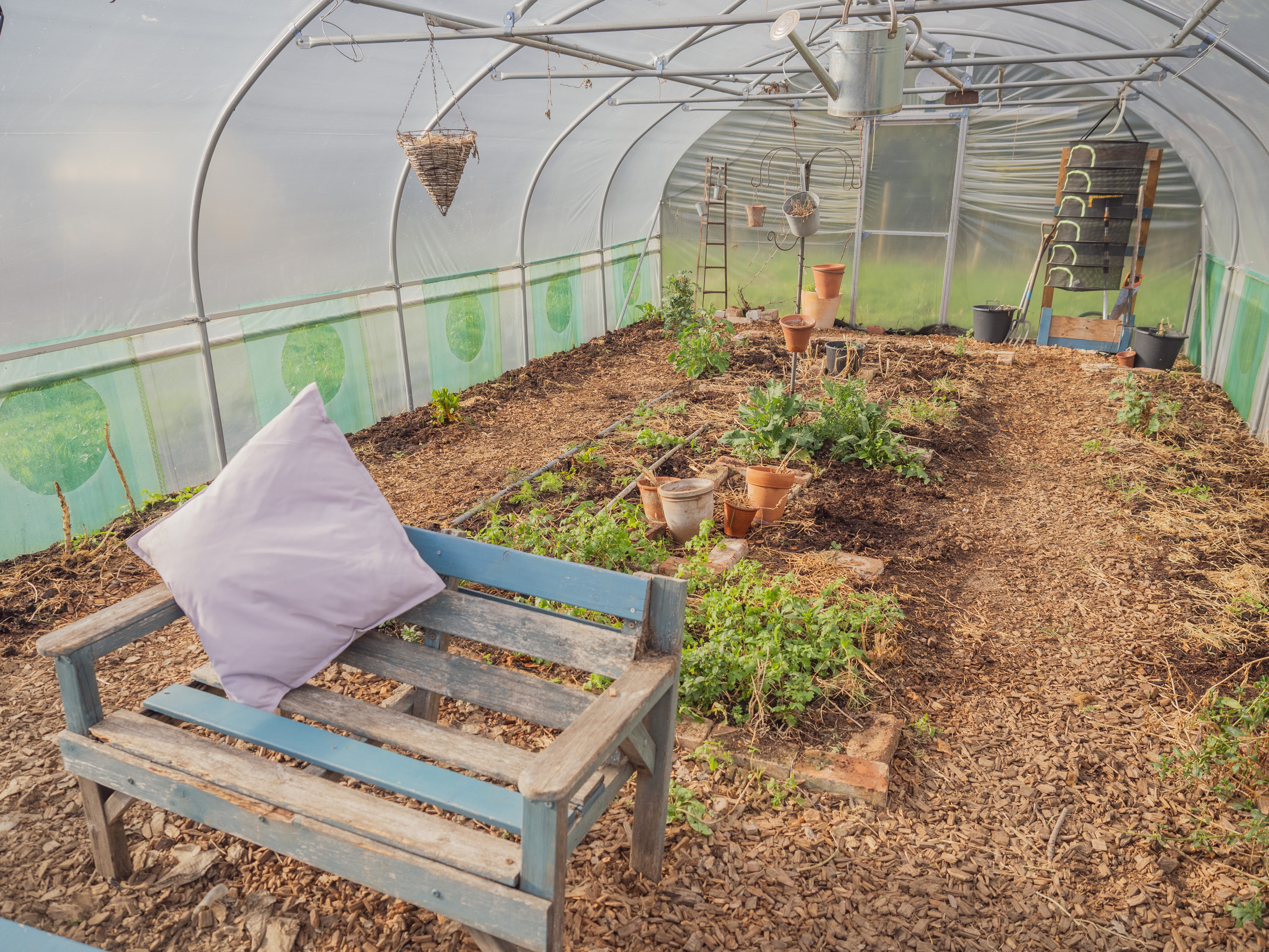
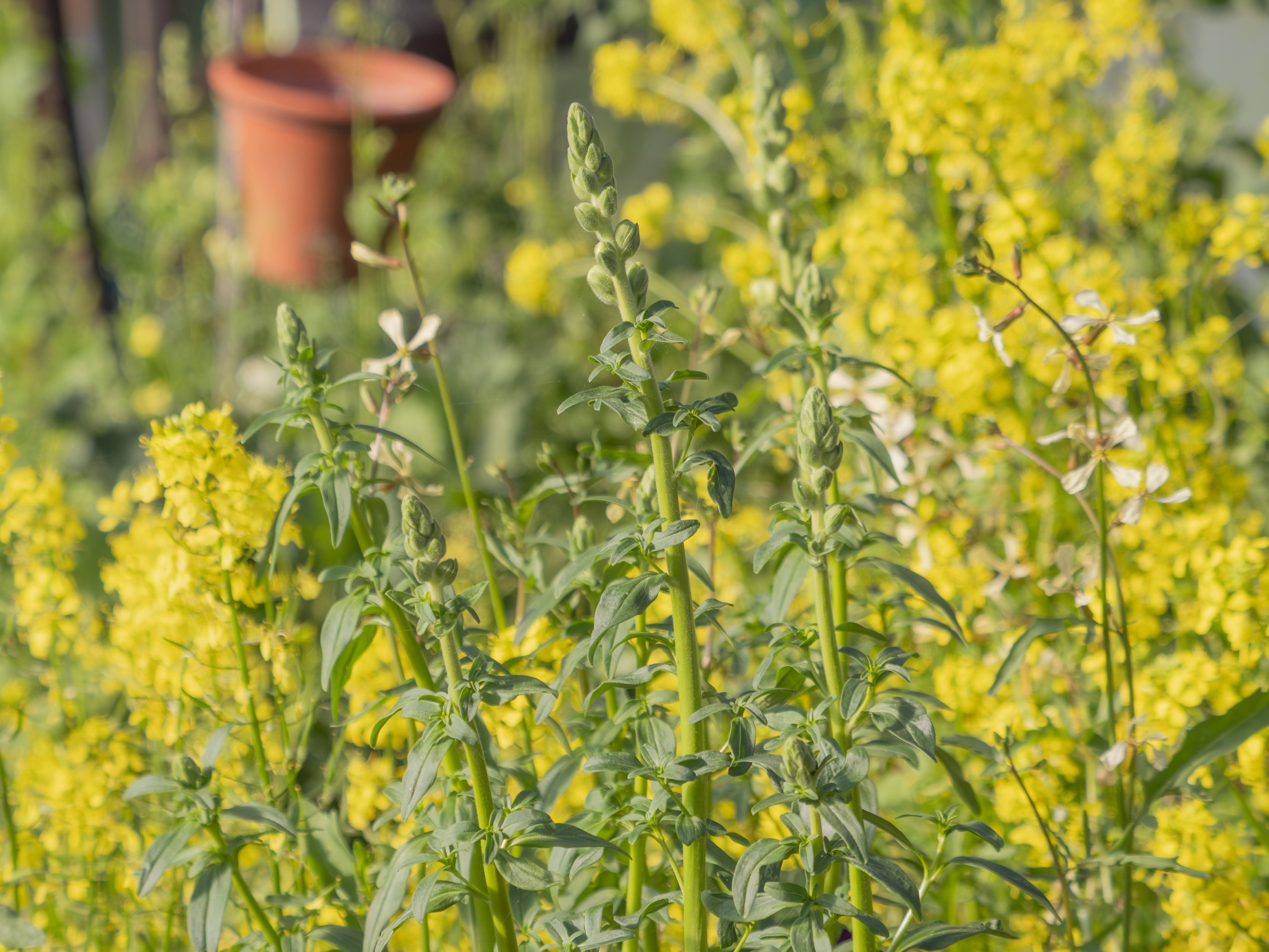
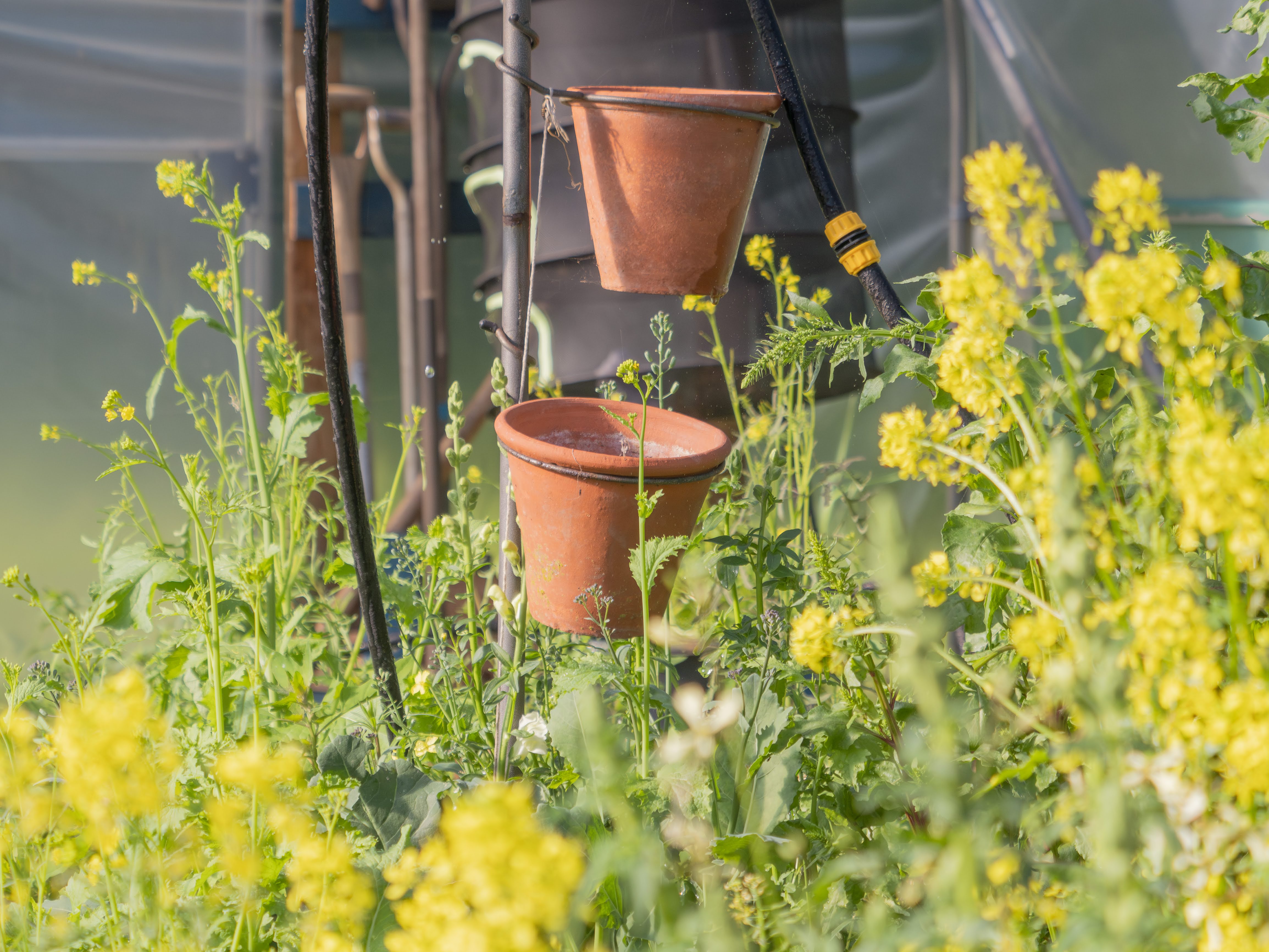
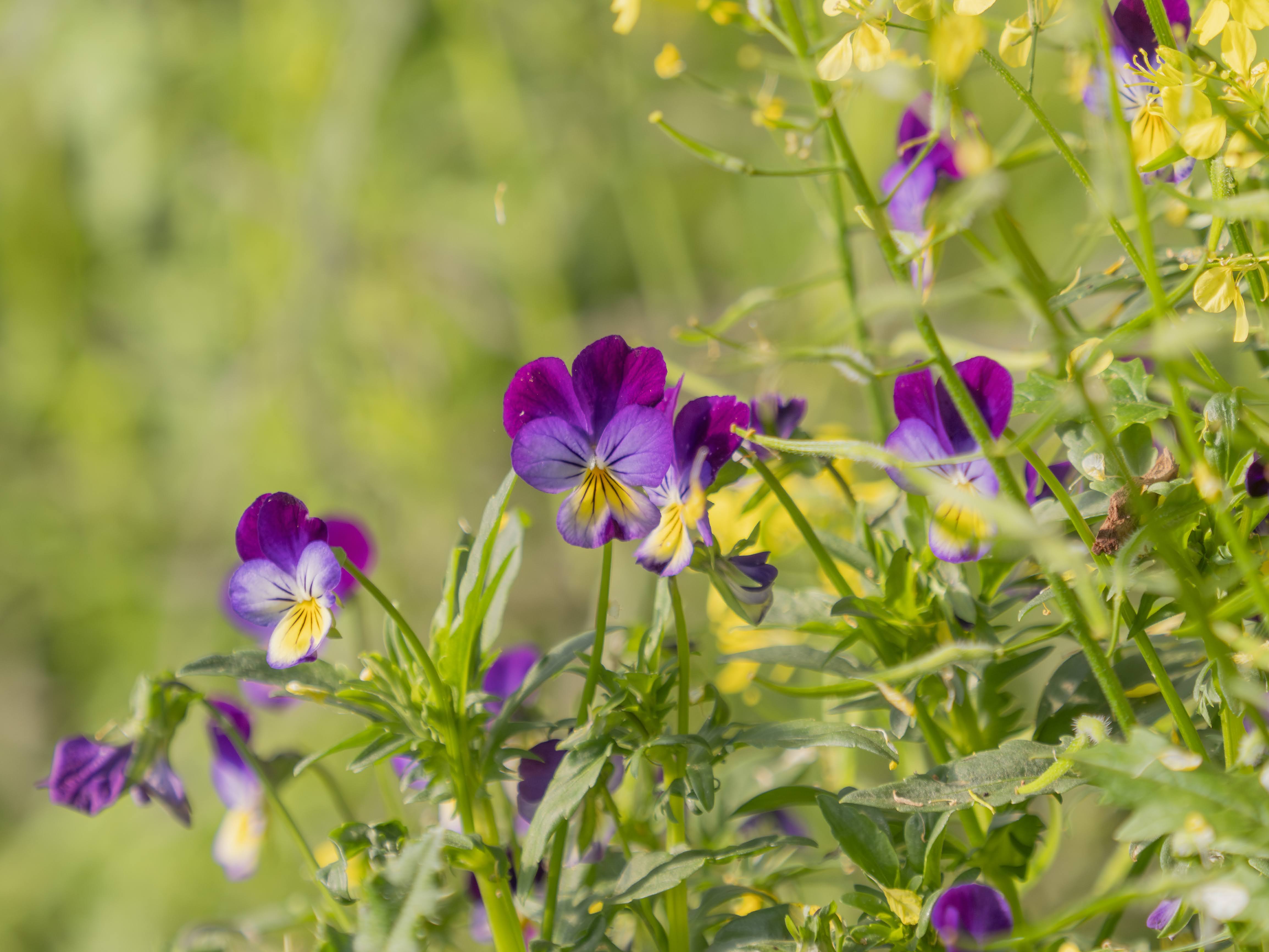
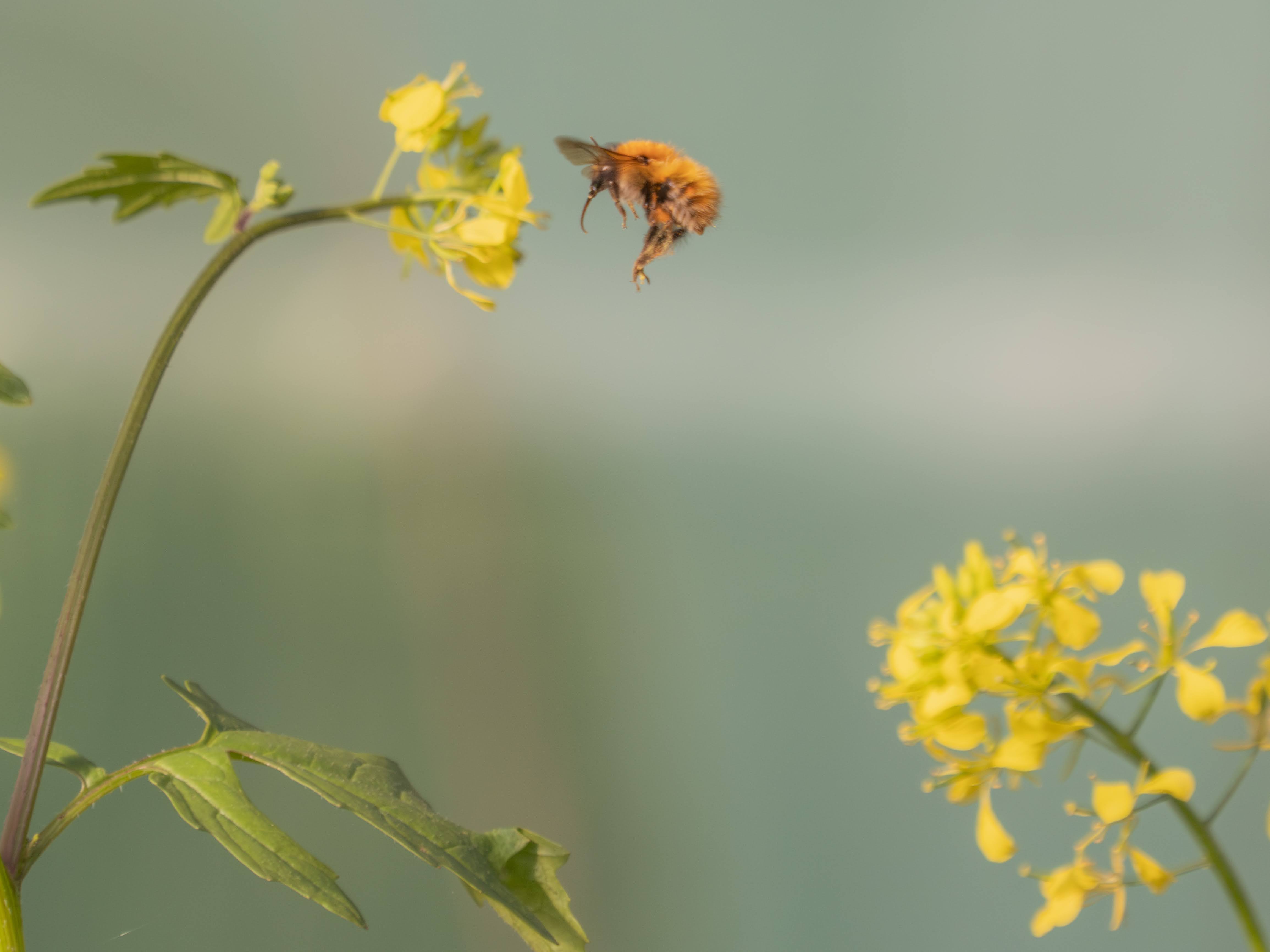
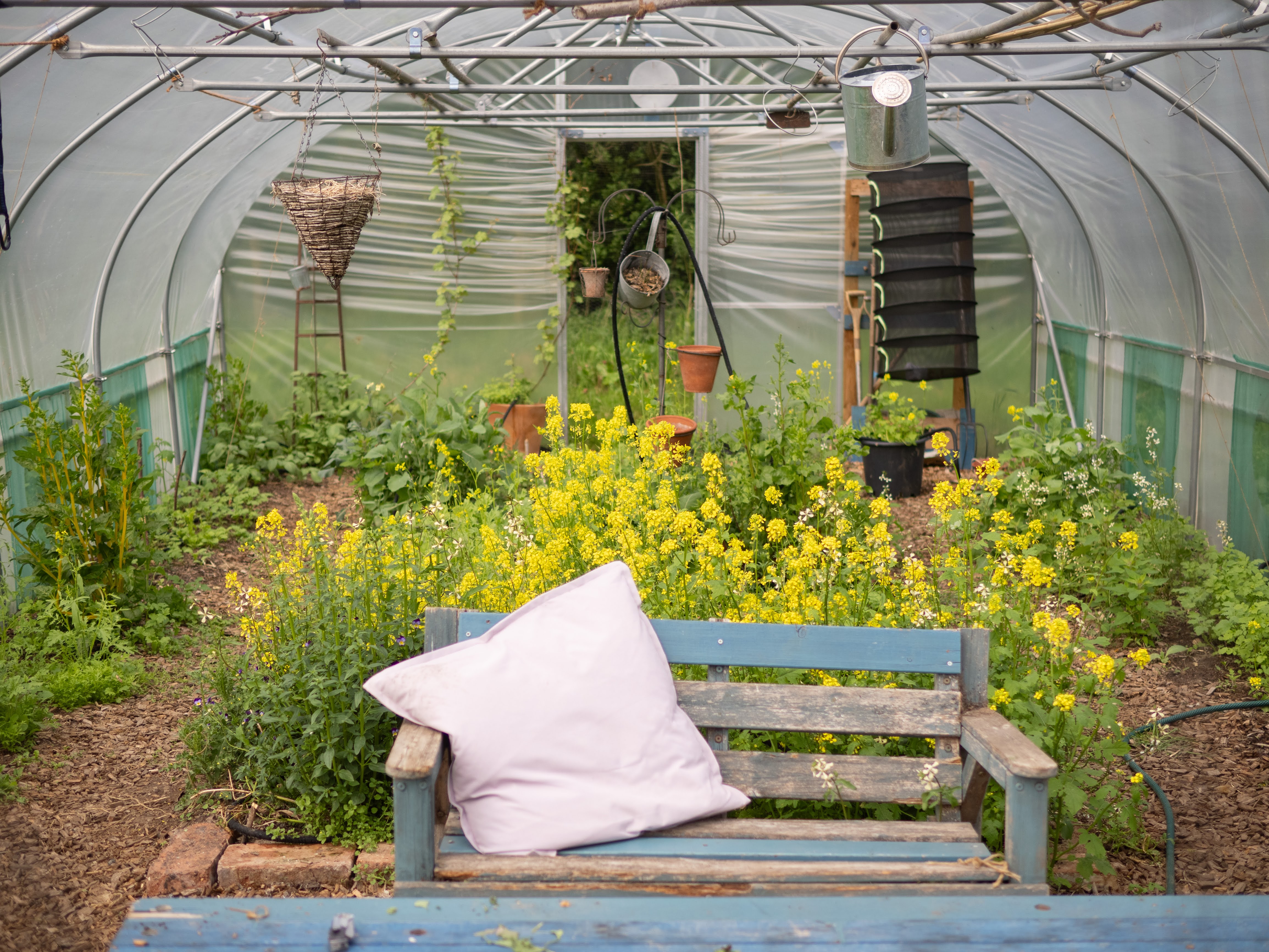
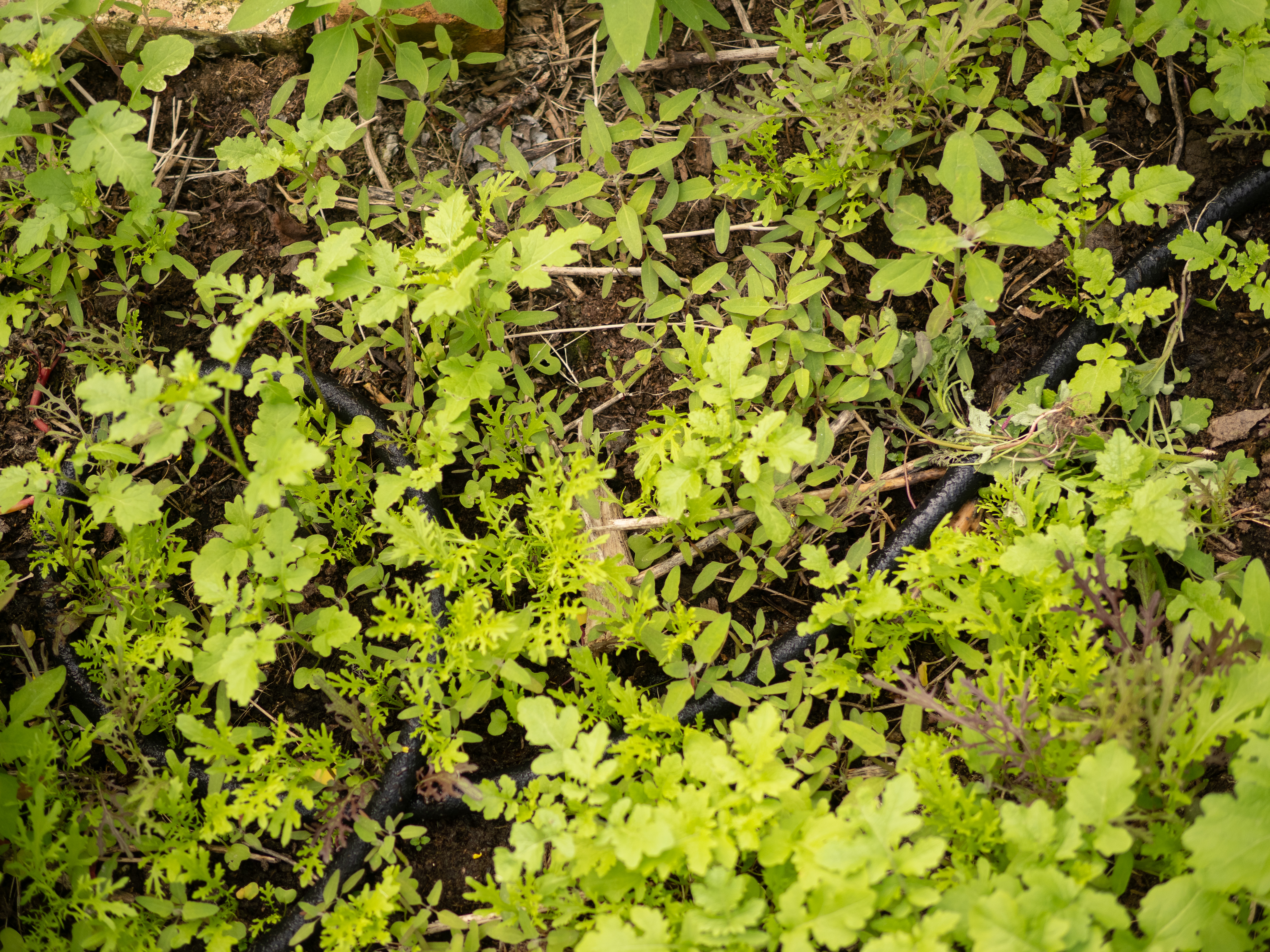
Another aspect of “invasion” was much more positive. I found myself revelling in the self-seeded annuals in the polytunnel—particularly rocket, various types of mustard, dill, Aztec broccoli, and mizuna. By opting for a drip hose as the main method of re-wetting the dried-out overwintered soil, these plants erupted everywhere, suddenly providing a bounty of greens from March onwards. I might have allowed this to go on a bit too long… but nevertheless, it felt somehow right that the vegetable-growing zone of the garden also had the possibility for some kind of self-willed, sustainable growth. Next year, I might be a little less overzealous, perhaps, particularly with the Aztec broccoli, which is by far the most dominant self-seeding plant, and which I harvest only a small proportion of (mainly the leaves when they are younger, for their pleasant pea-like flavor).
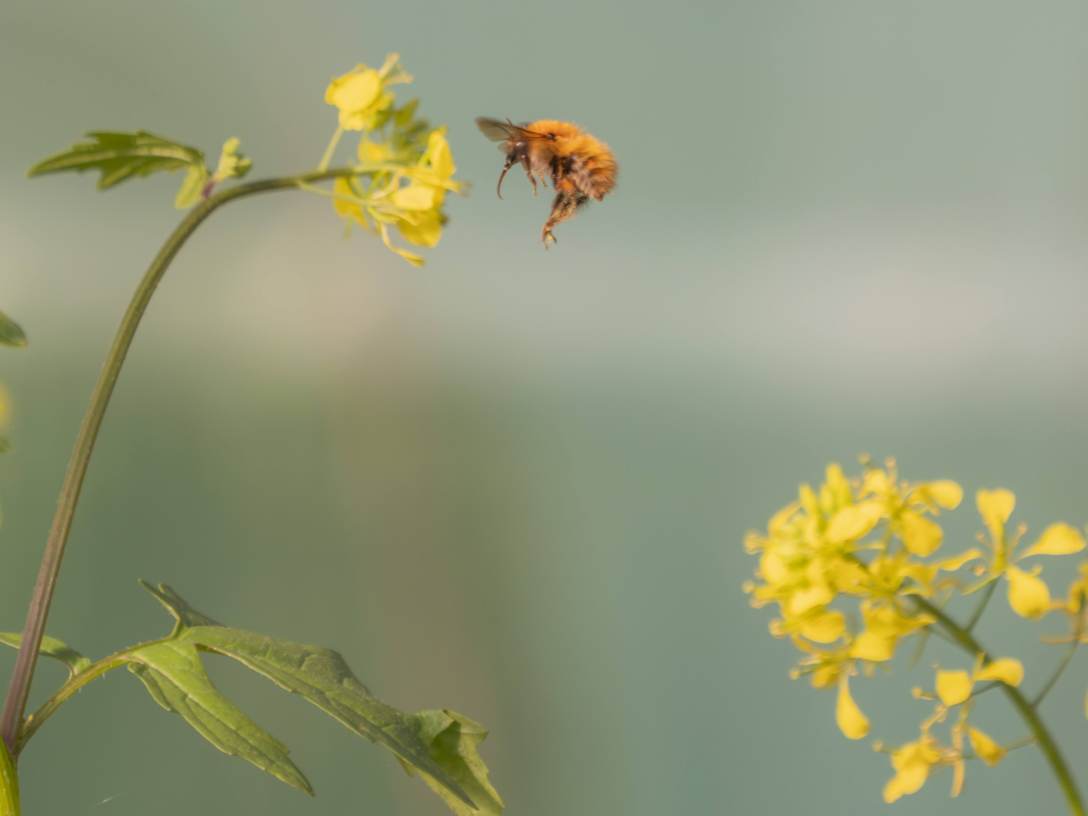
I also allowed other brassicas to reach the flowering stage (purple sprouting broccoli, various kales, etc.), as I found their flowers to be particularly attractive and an additional beacon for pollination. Seeds from these are unlikely to become “true,” so I’m not sure if anything odd or less appealing will grow next season.
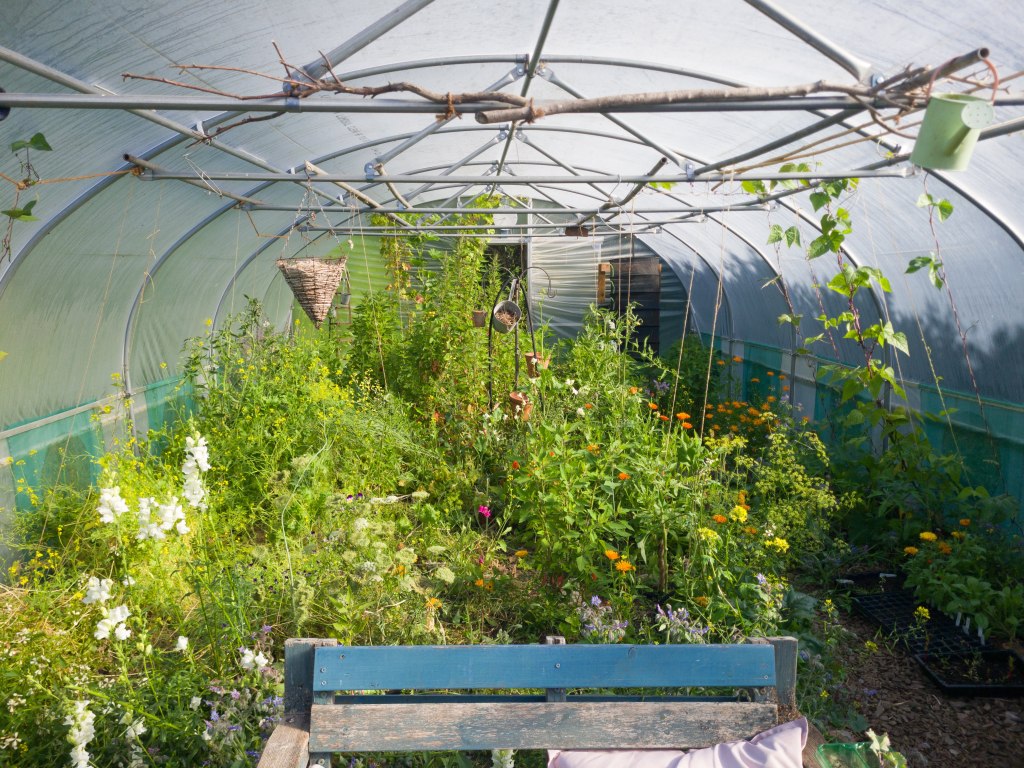
Also self-seeding were beautiful companion plants—annuals such as borage, snapdragon, nasturtium, marigold, and calendula (all edible too). Together with perennial wild violas, the bounty of colours emerging in the tunnel as we entered summer was quite stunning.
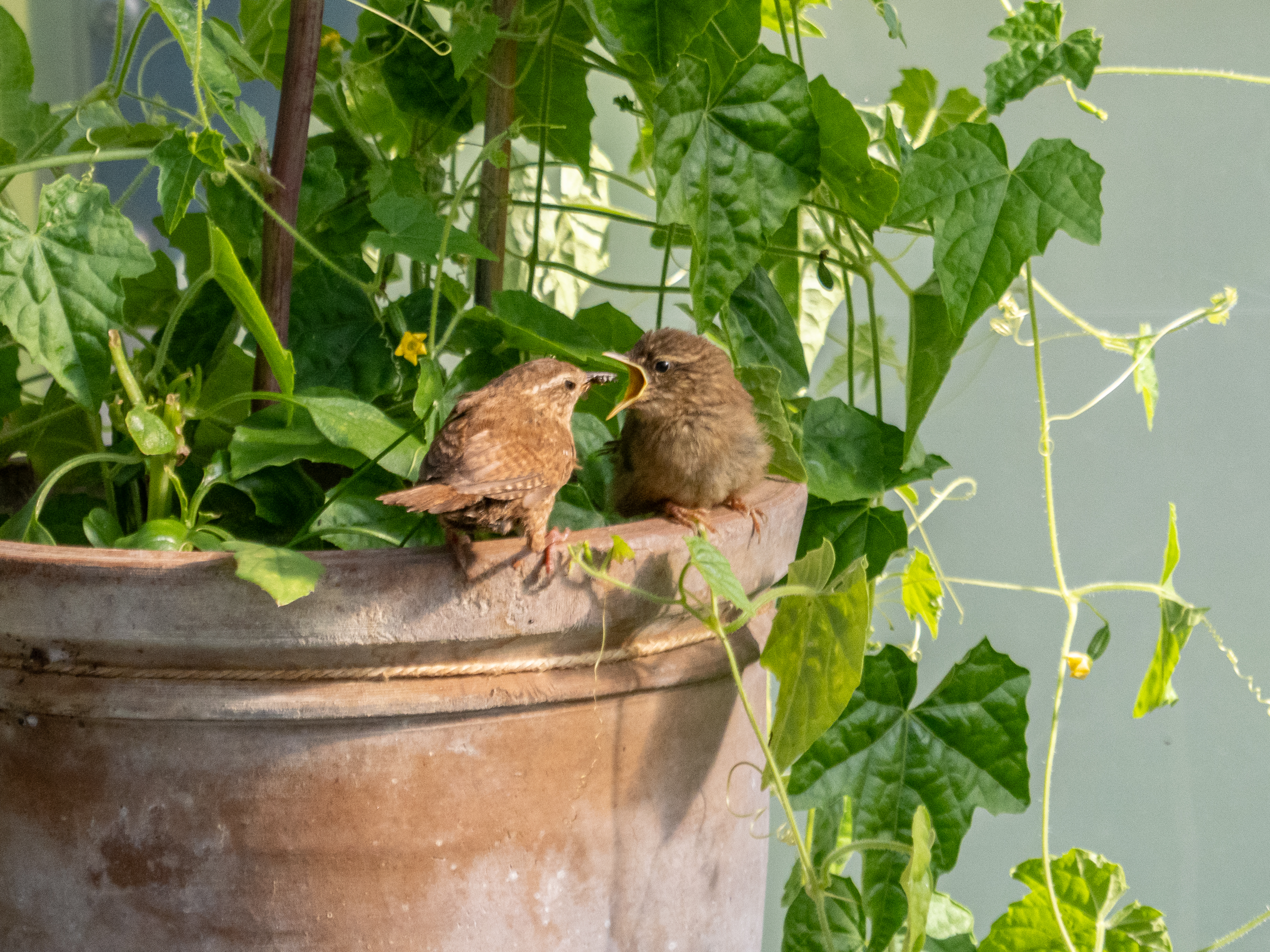
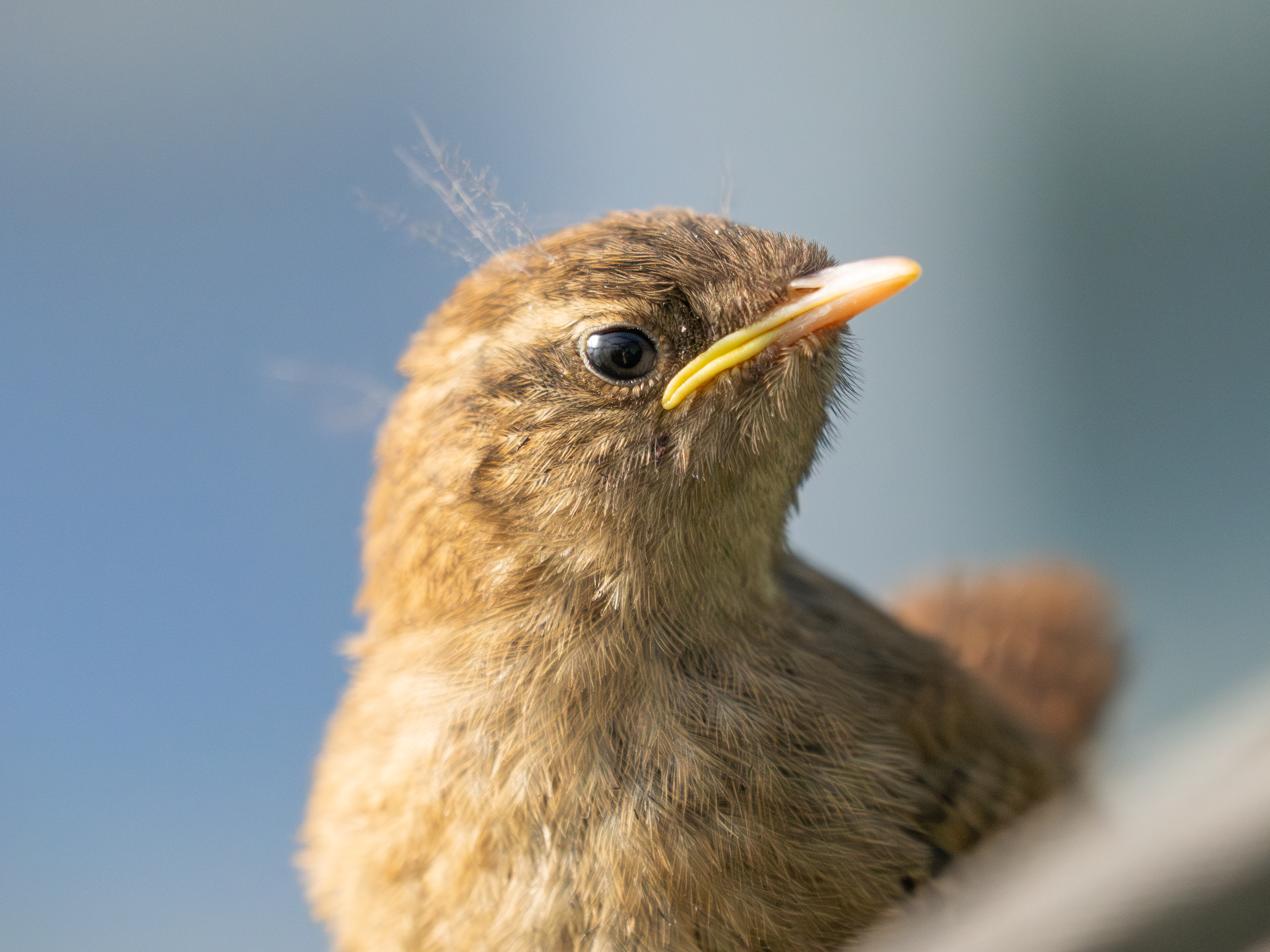
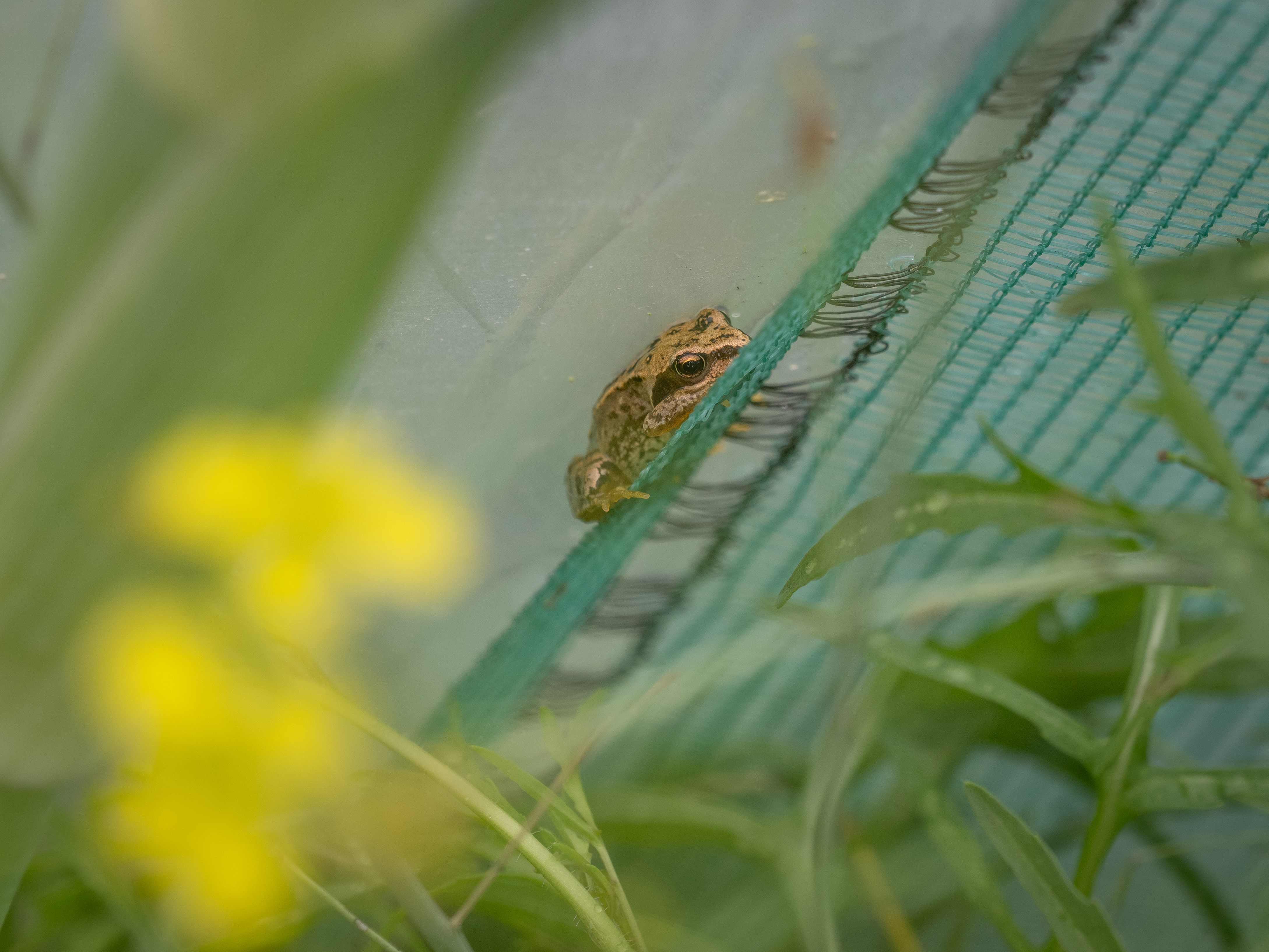
Other welcome invasions: the arrival of a family of wrens and numerous frogs.

 The Bamff Walled Garden.