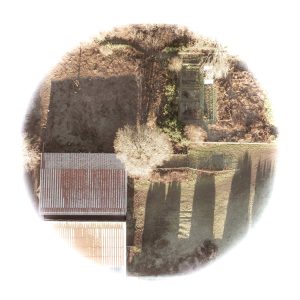
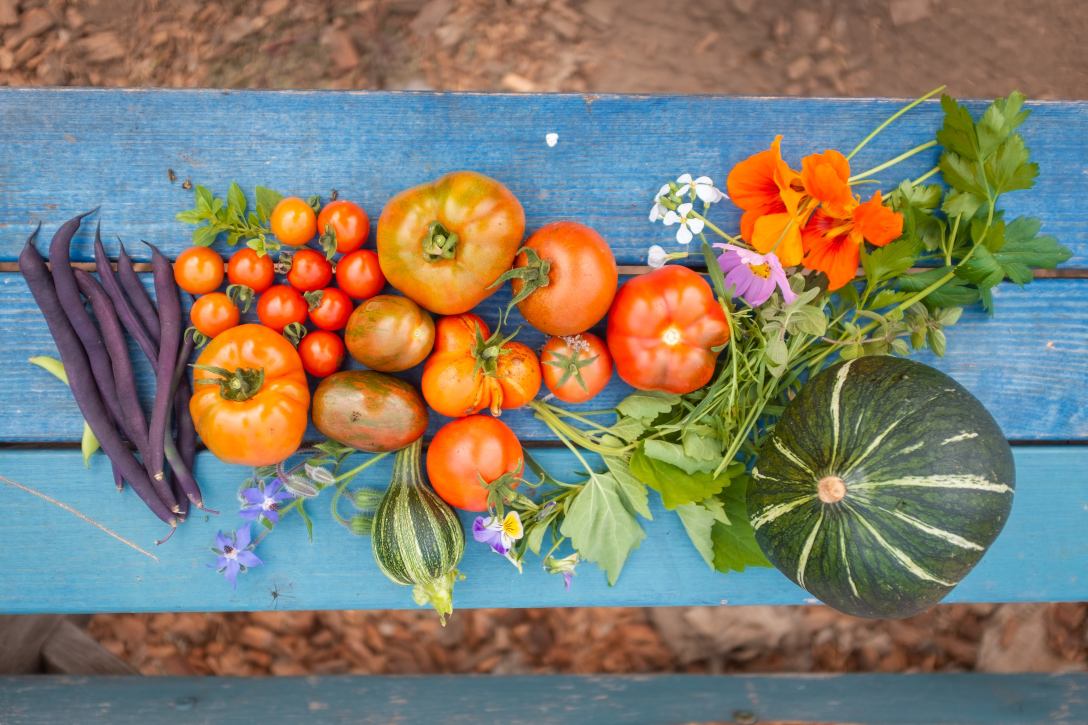
This is a very late post, partly because “Harvest 2023” is still, even in late December, not quite over yet.
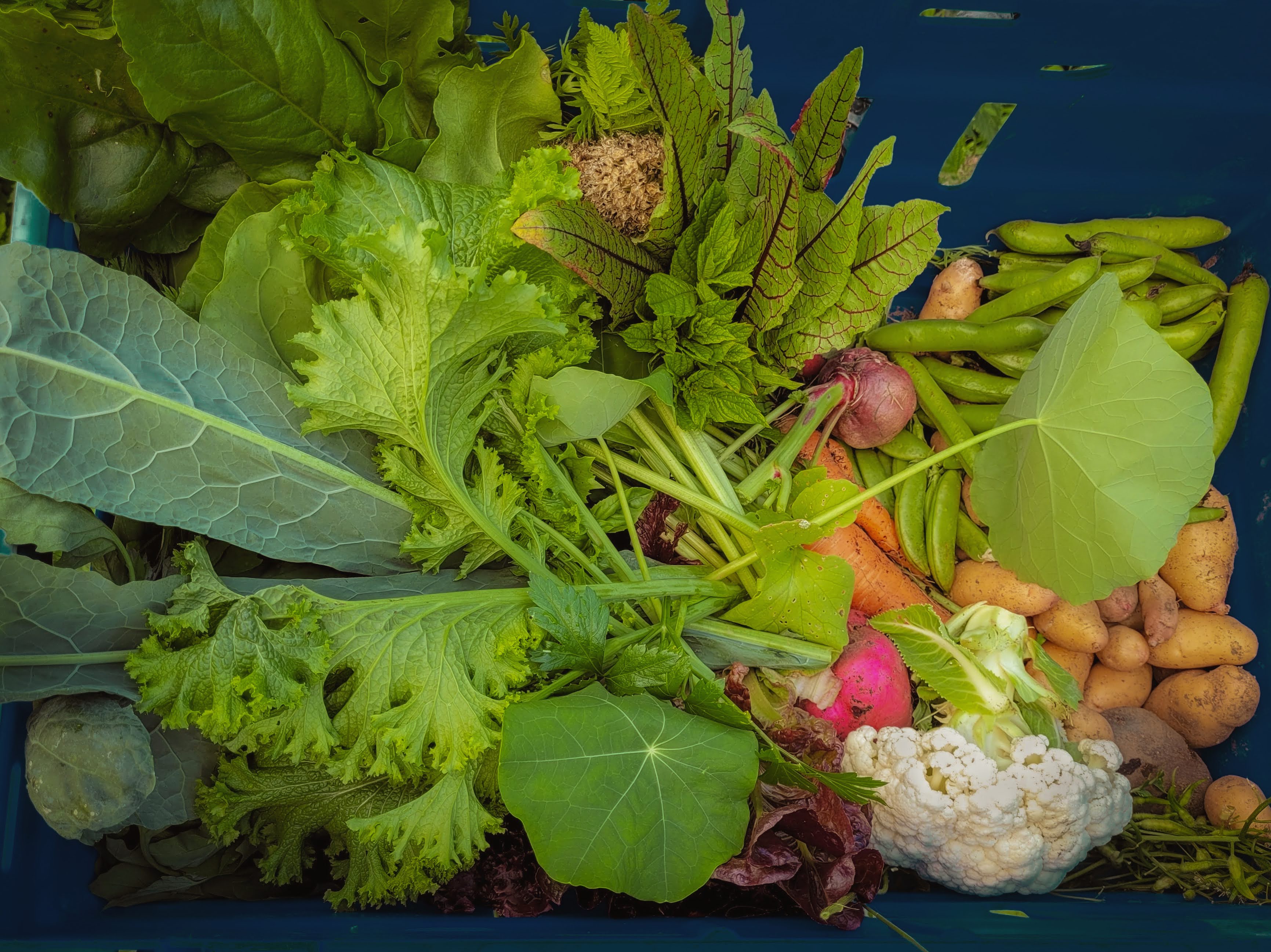
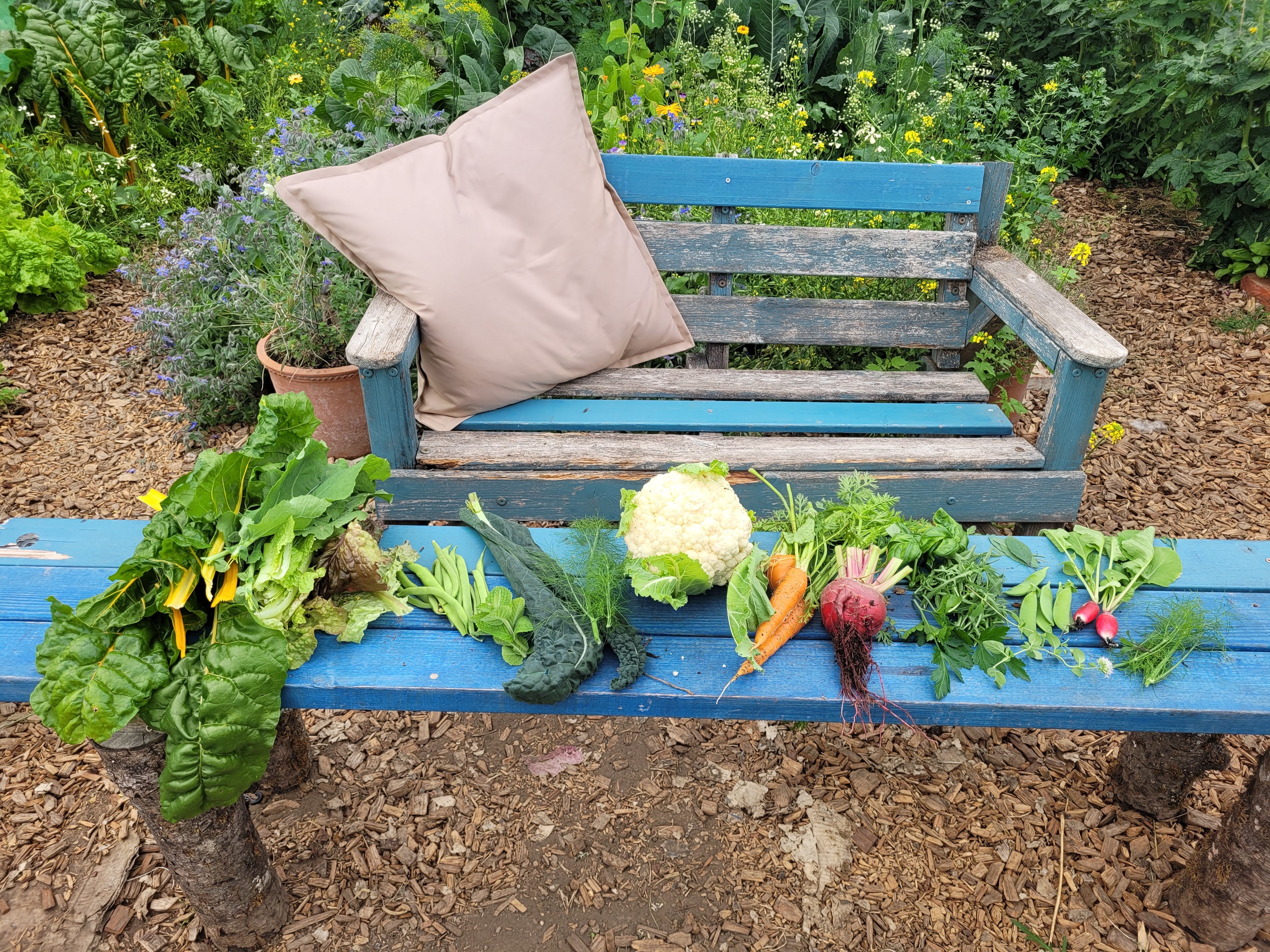
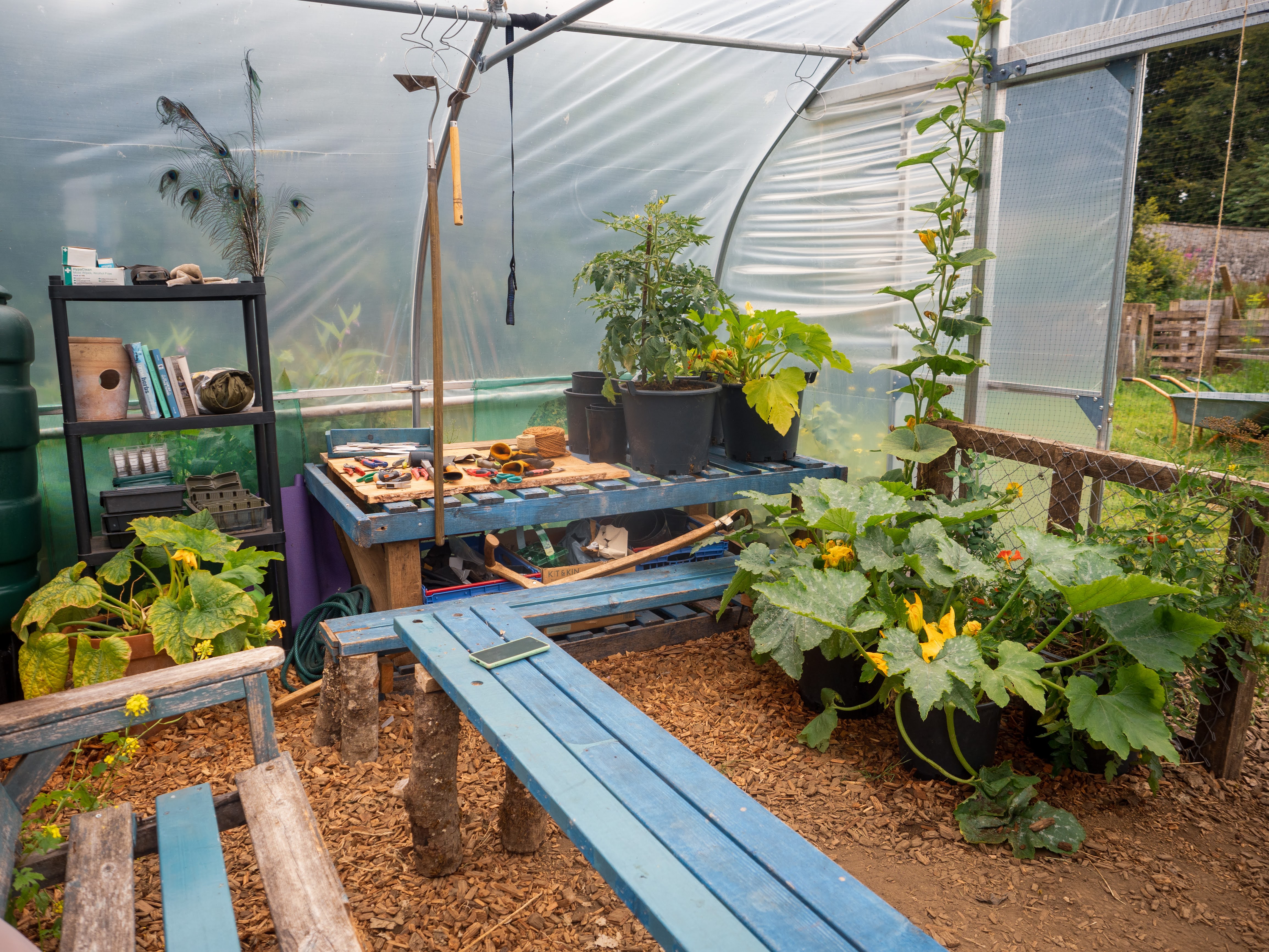
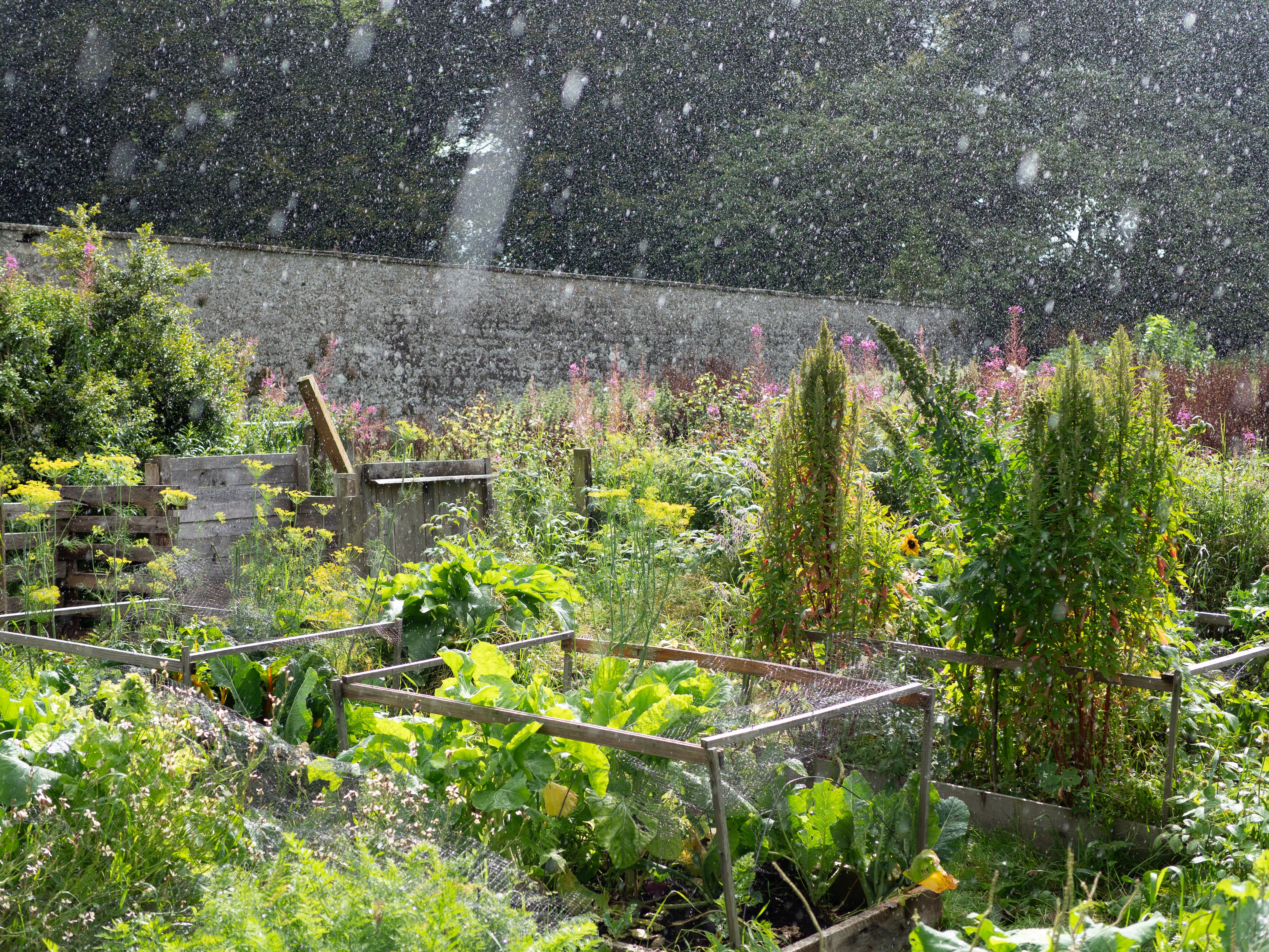
This means that the contrast to last year is huge, which is partly predictable due to last year’s sowing and growing beginning late, but also because of the increase in growing spaces and varieties of produce this year.
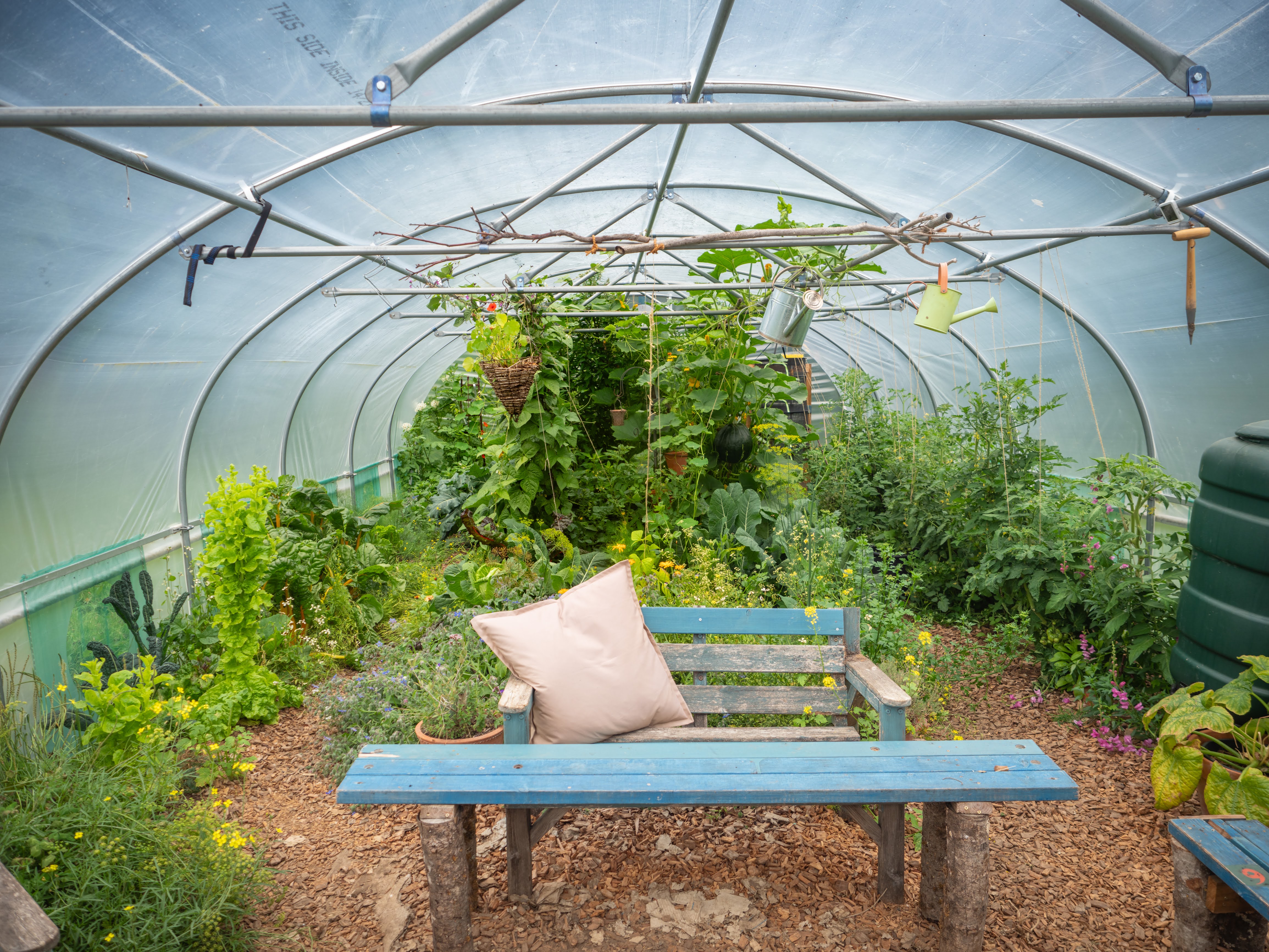
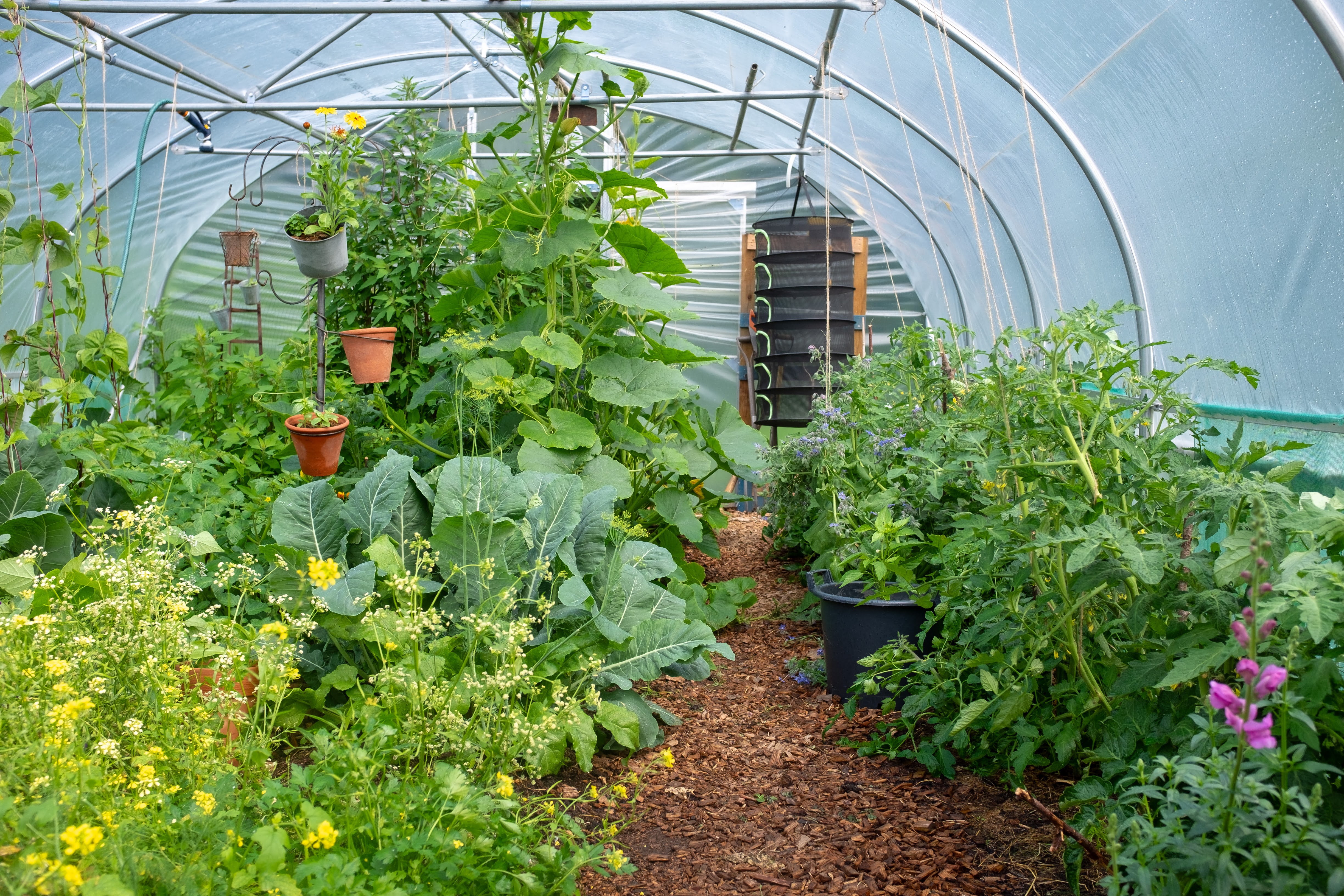
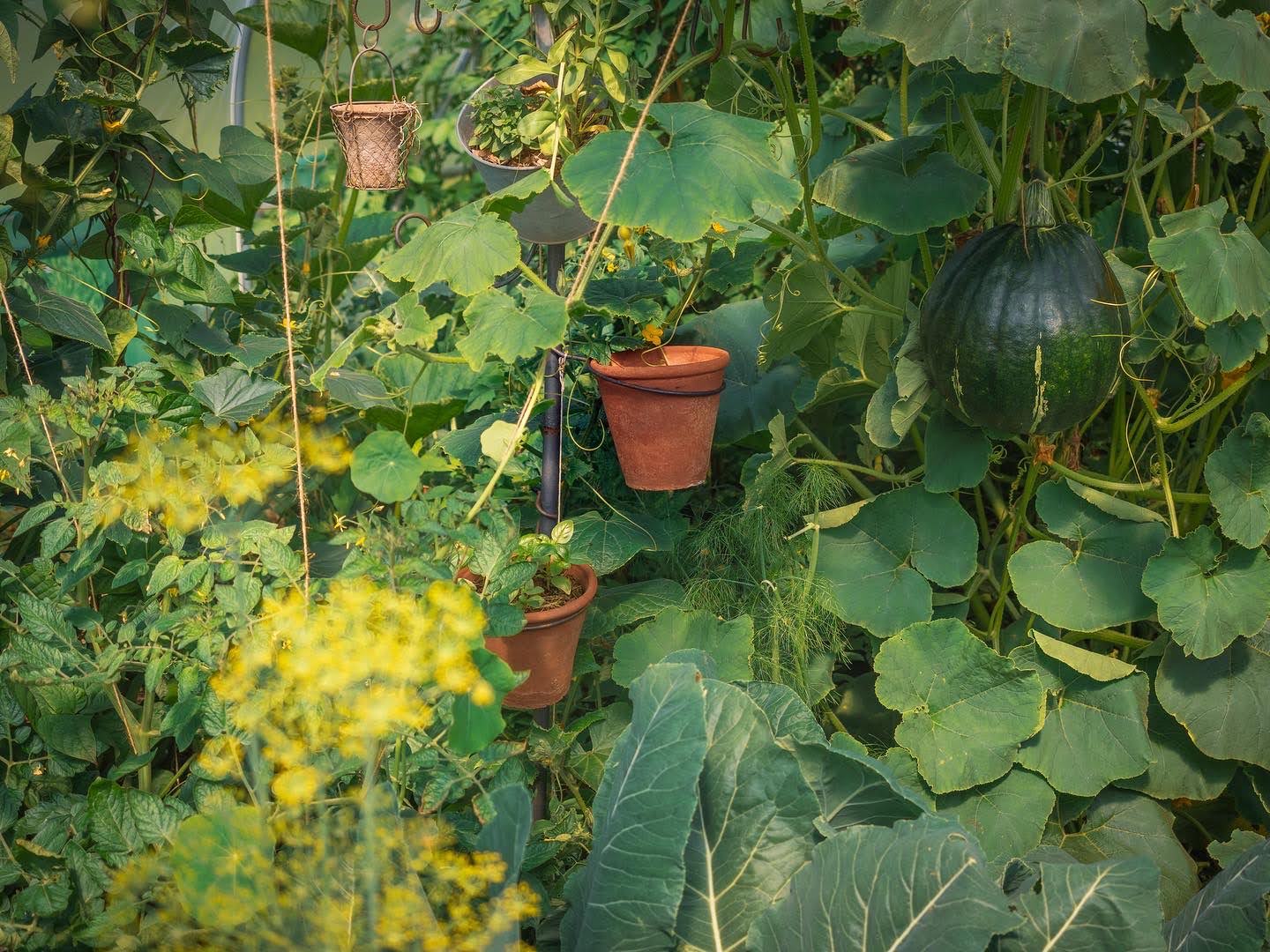
There have been mostly successes, and a few failures, but the results have been overwhelmingly positive and bode well for future years.
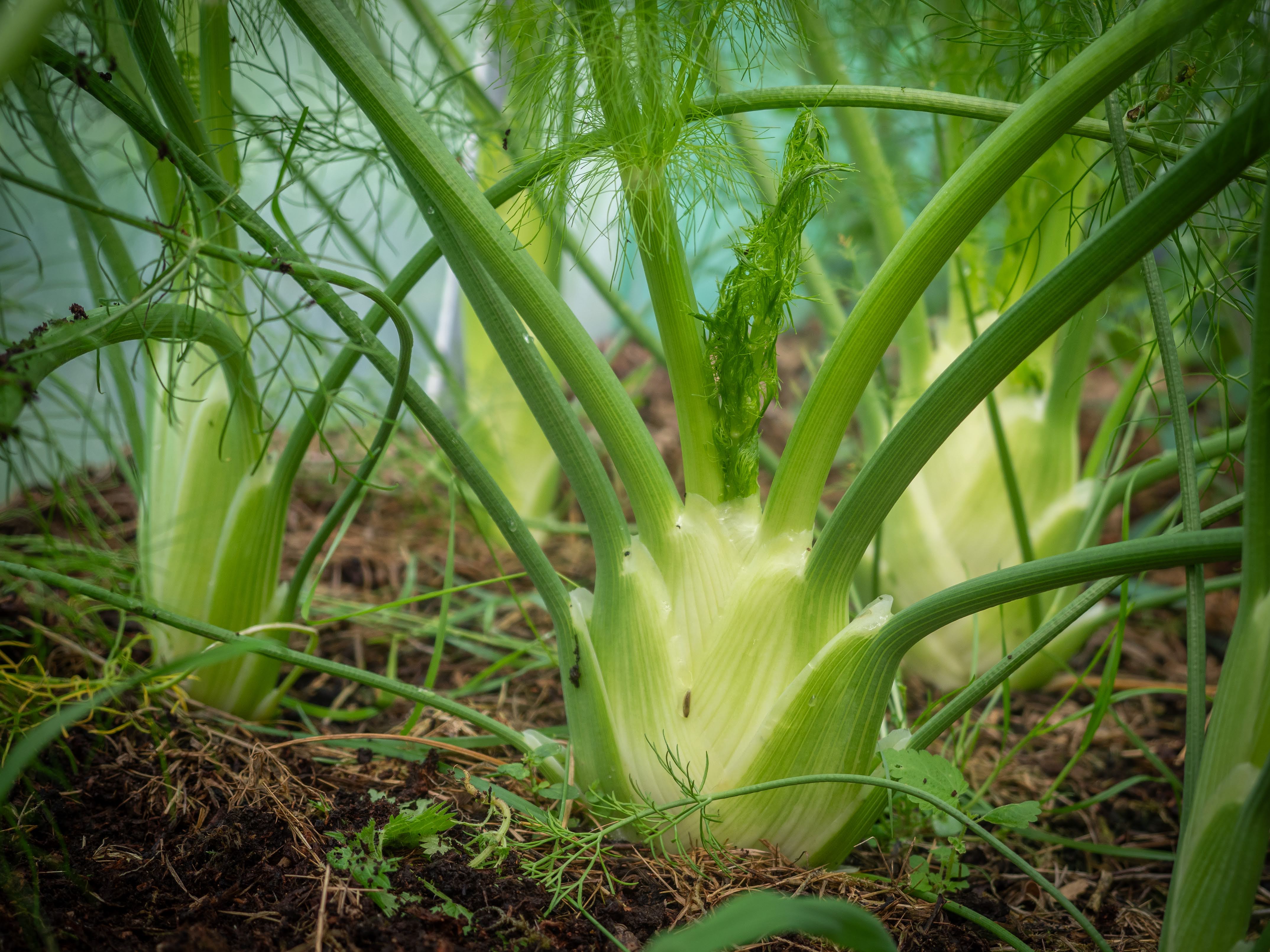
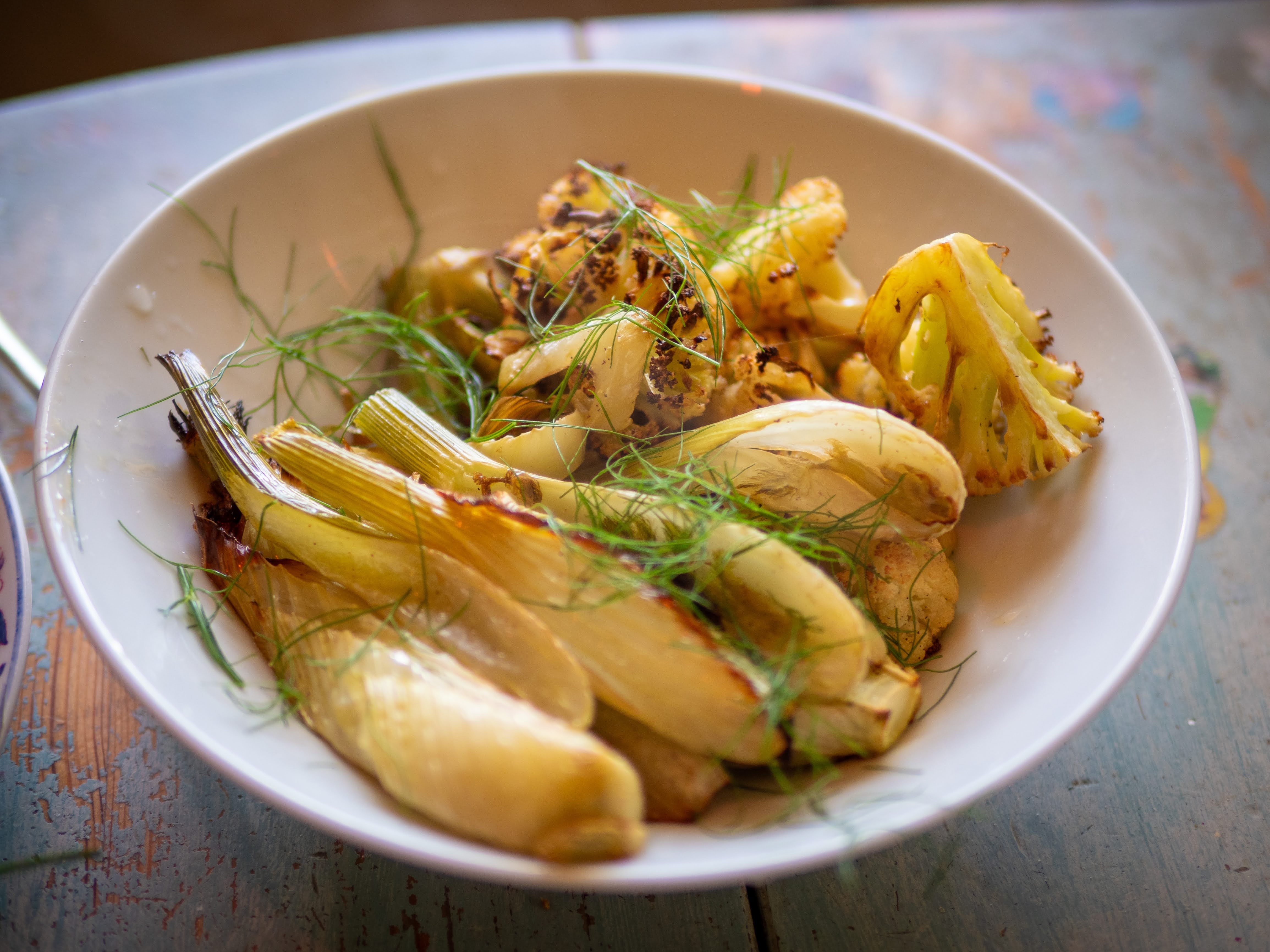
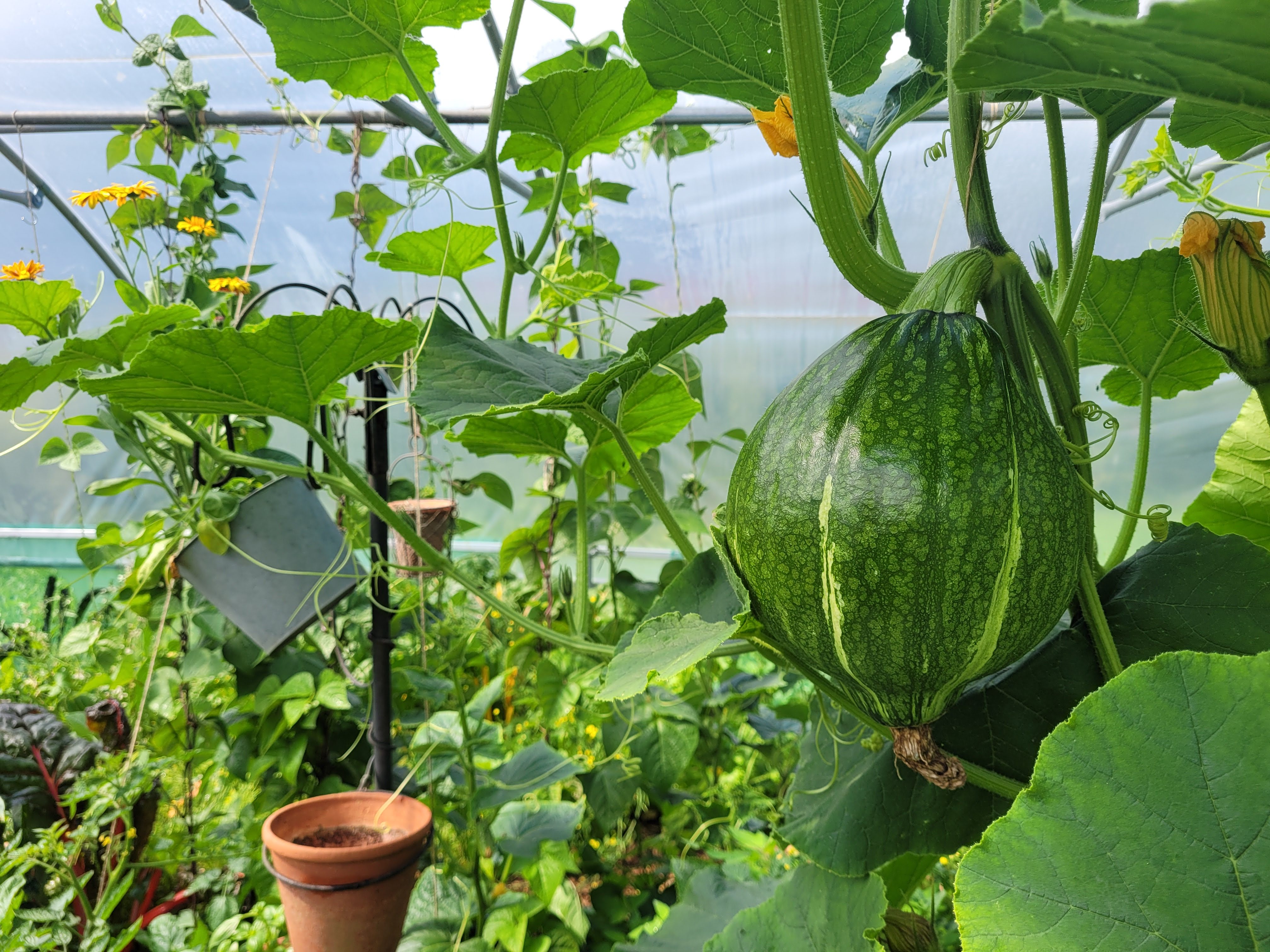
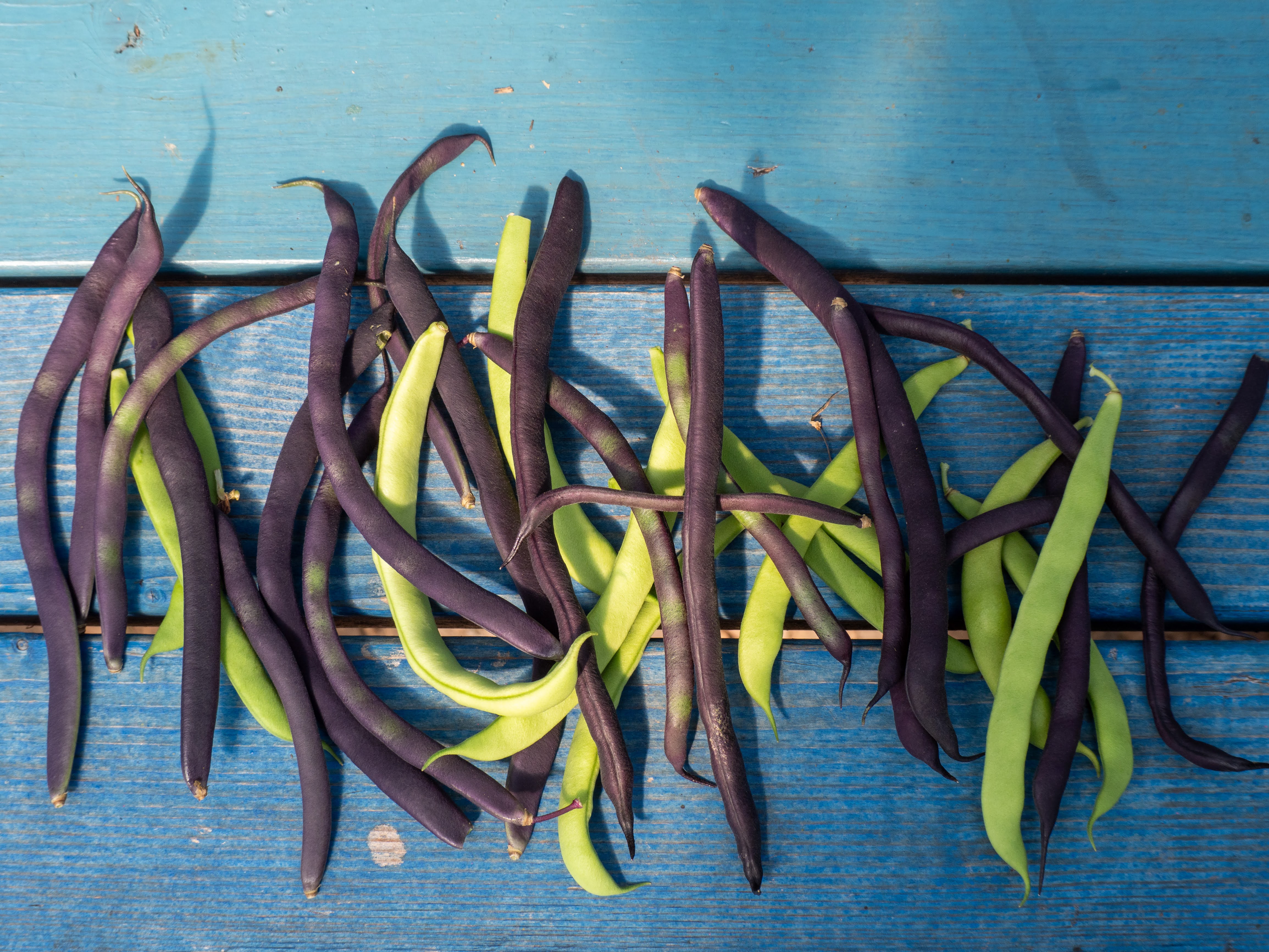
Prominent new produce this year include tomatoes, potatoes, florence fennel, jerusalem artichokes, numerous brassicas, field beans, carrots, turnips and various climbing beans. Previous stalwarts such as lettuces, radishes, squash, cucumbers, chard, beetroot, aztec broccoli and courgettes have all been bounteous. Three types of winter squash were grown, but all that were planted outside the tunnel failed, whereas, just as last year, the Anna Swartz Hubbard variety did well inside the tunnel. Onions of different varieties grown from seed were slightly..small, ditto leeks, for some reason (most probably due to overcrowding if I were to be honest). Also small, but perfectly formed, were two varieties of pepper, though one was a type of chilli pepper, so that was to be expected. Once again, aubergine didn’t manage to fruit, even after flowering fairly profusely.
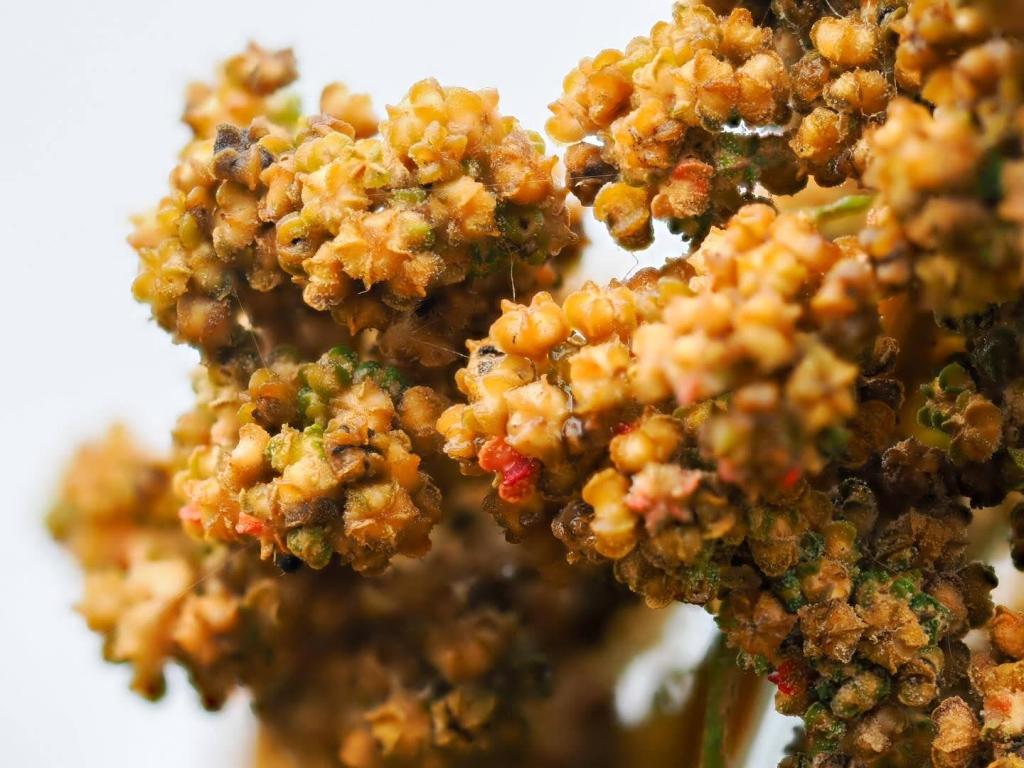
Quinoa was growing very well outside in veg beds and in the forest garden. Unfortunately I was afflicted with a virus during almost the entirety of October, and the main casualty of this was the harvesting of Quinoa which had eventually become too soggy to deal with. Oh well, next year perhaps! But, in any case, grain growing will be a feature of future years – so hopefully some interesting news will be forthcoming about this.
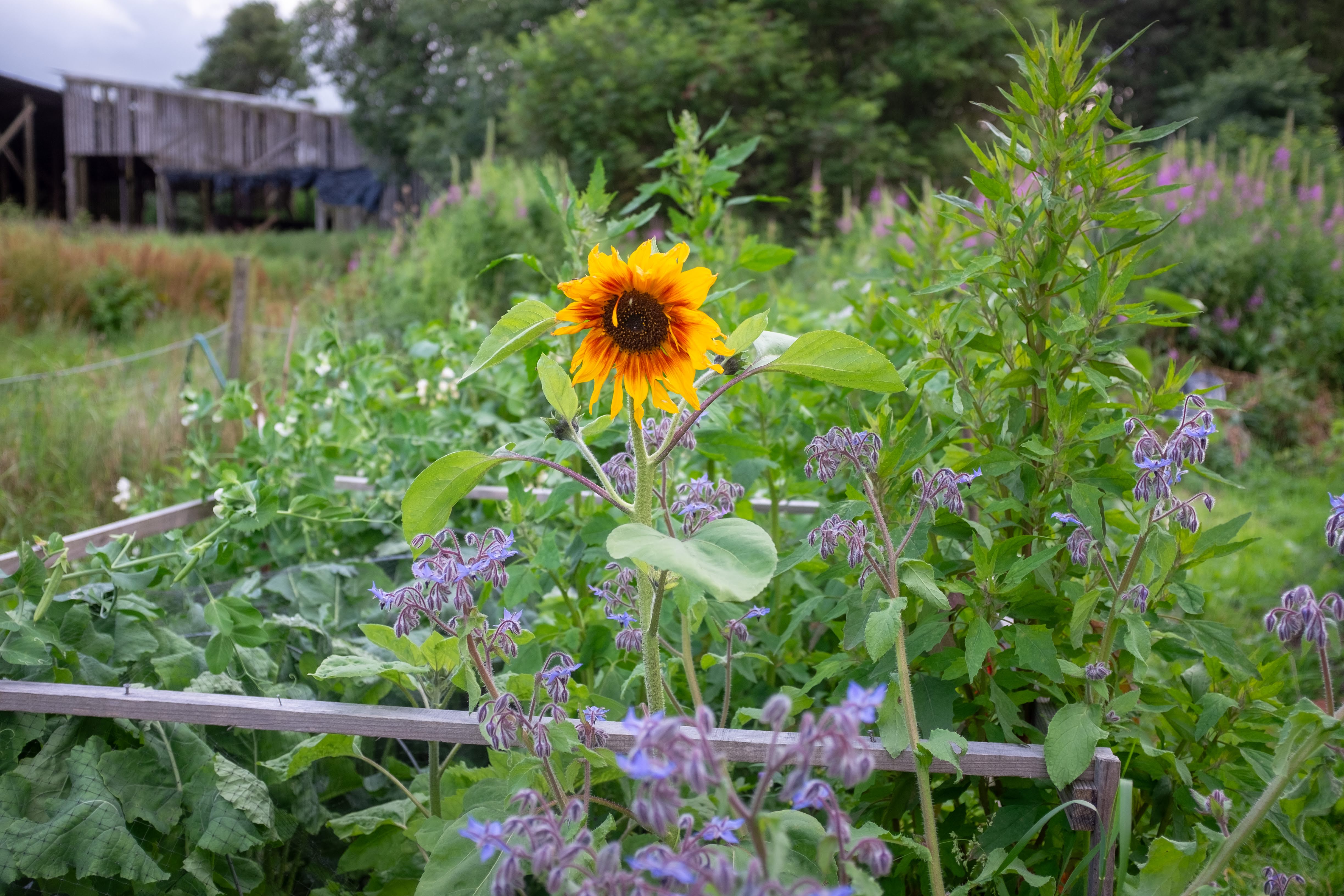
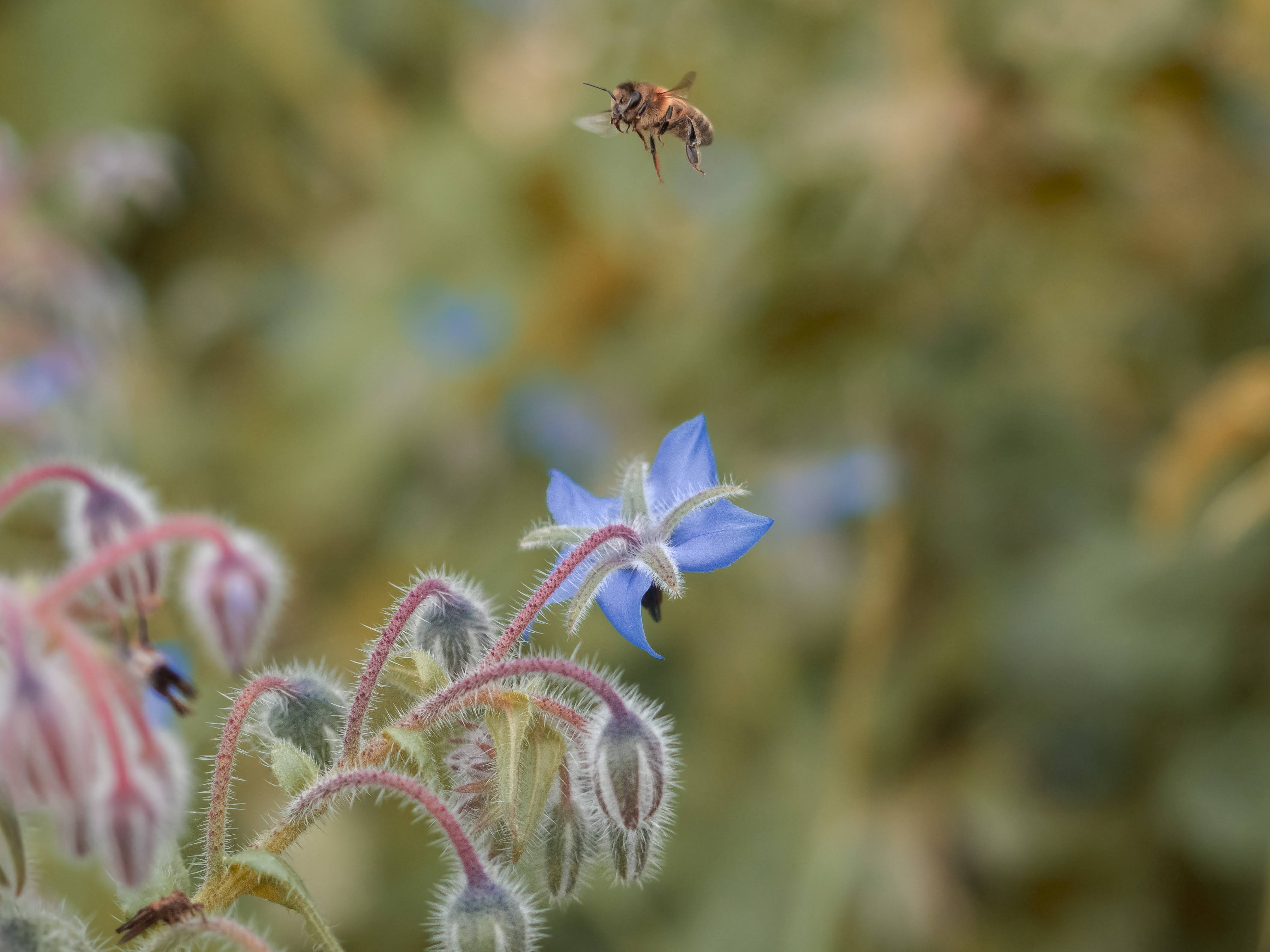
I’ve allowed for an abundance of herbs and edible flowers in and out of the polytunnel (including borage, coriander, dill, parsley, violas, snapdragons, rocket, basil, nasturtium, calendula and marigold), which has probably helped pollination in general, but certainly has added a huge layer of beauty, regardless.
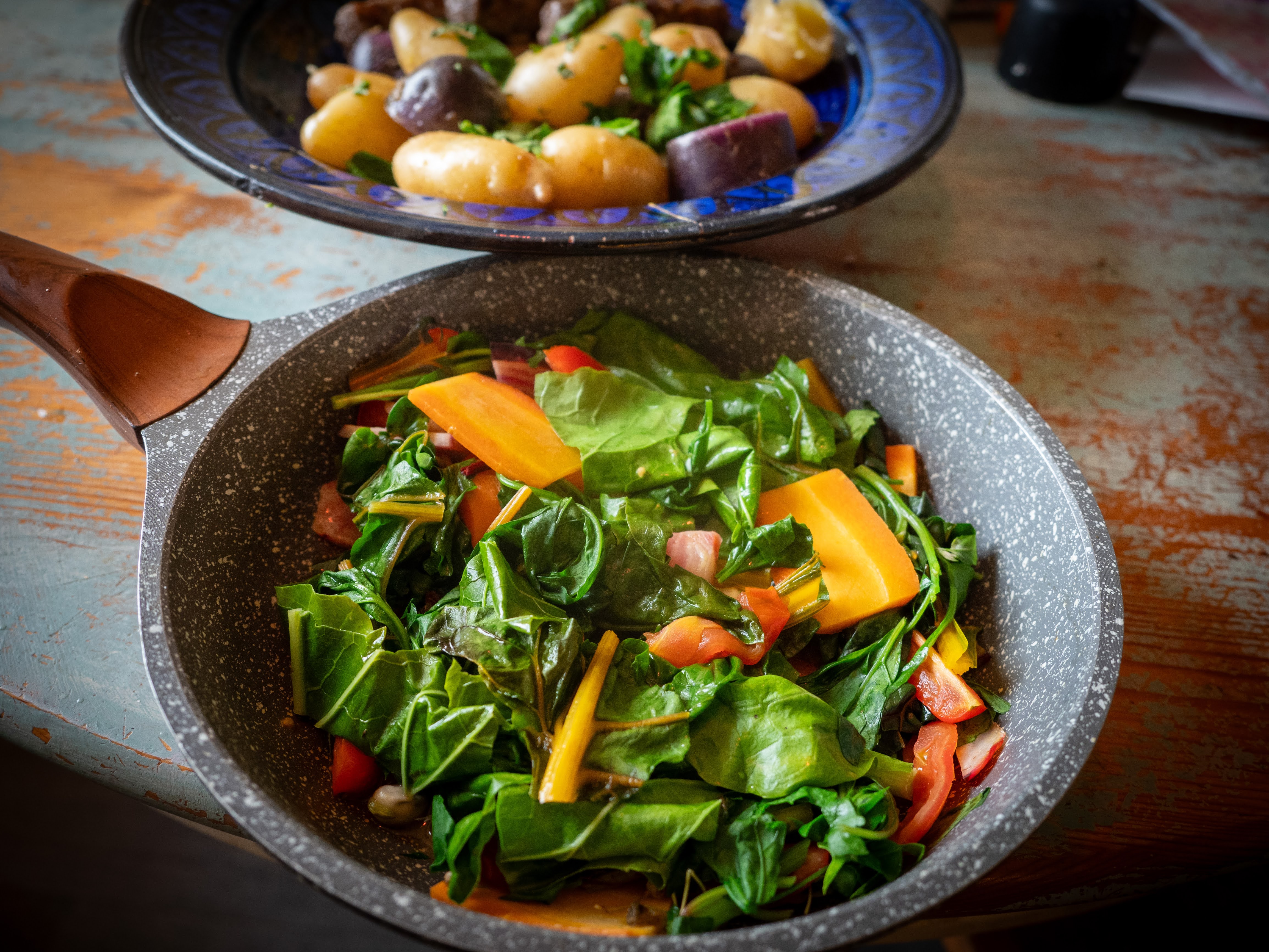
I’ve written about the tatties in a separate post here, so I’ll briefly mention my experiences with the others below:
Tomatoes, started off in late winter in seed modules inside Bamff House by an east facing window, were then transplanted into the polytunnel during spring, mostly planted along the east side of the north/south facing tunnel. Others ended up in containers, and a few found their way in the ground in more central polytunnel locations.
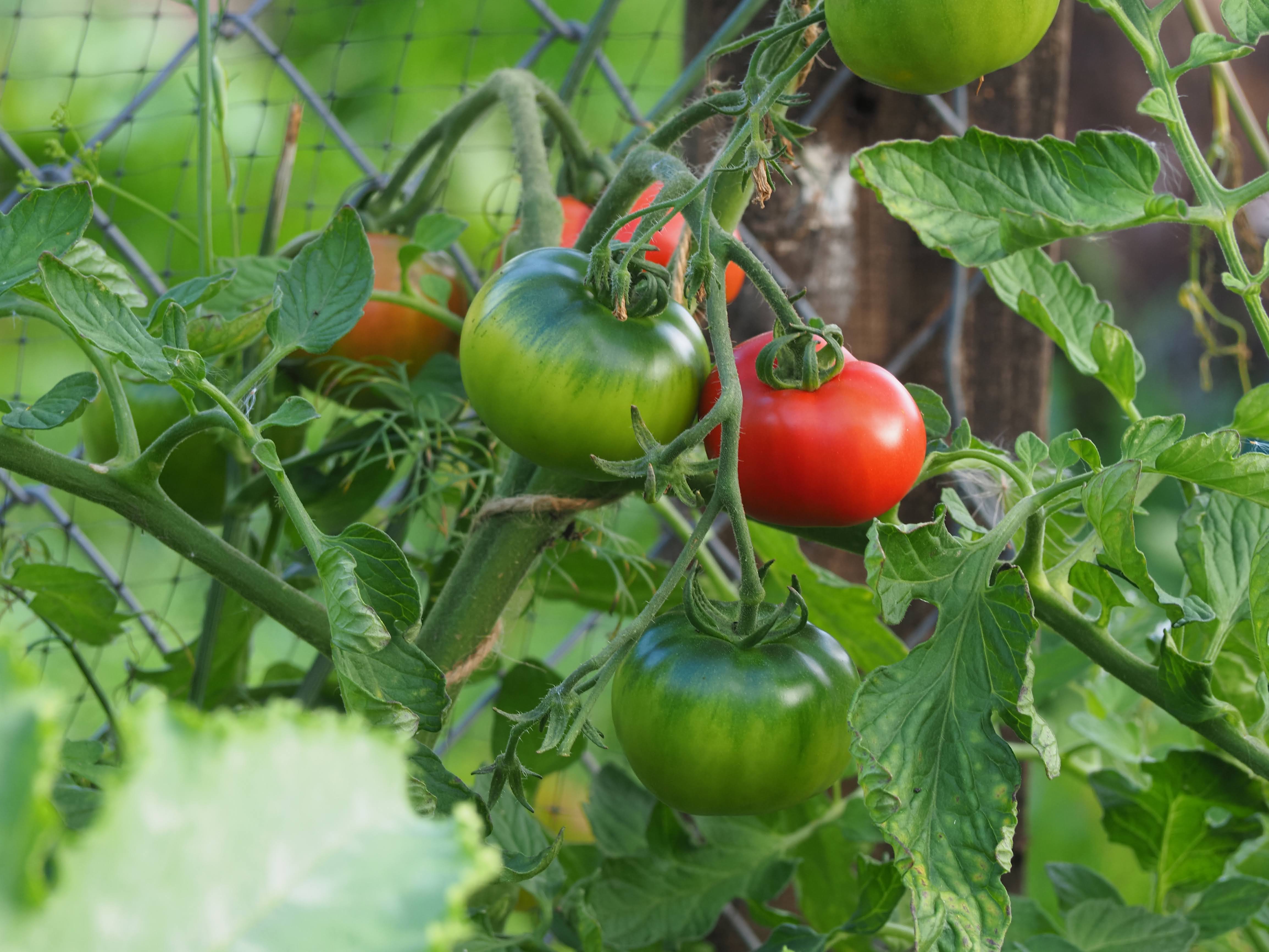
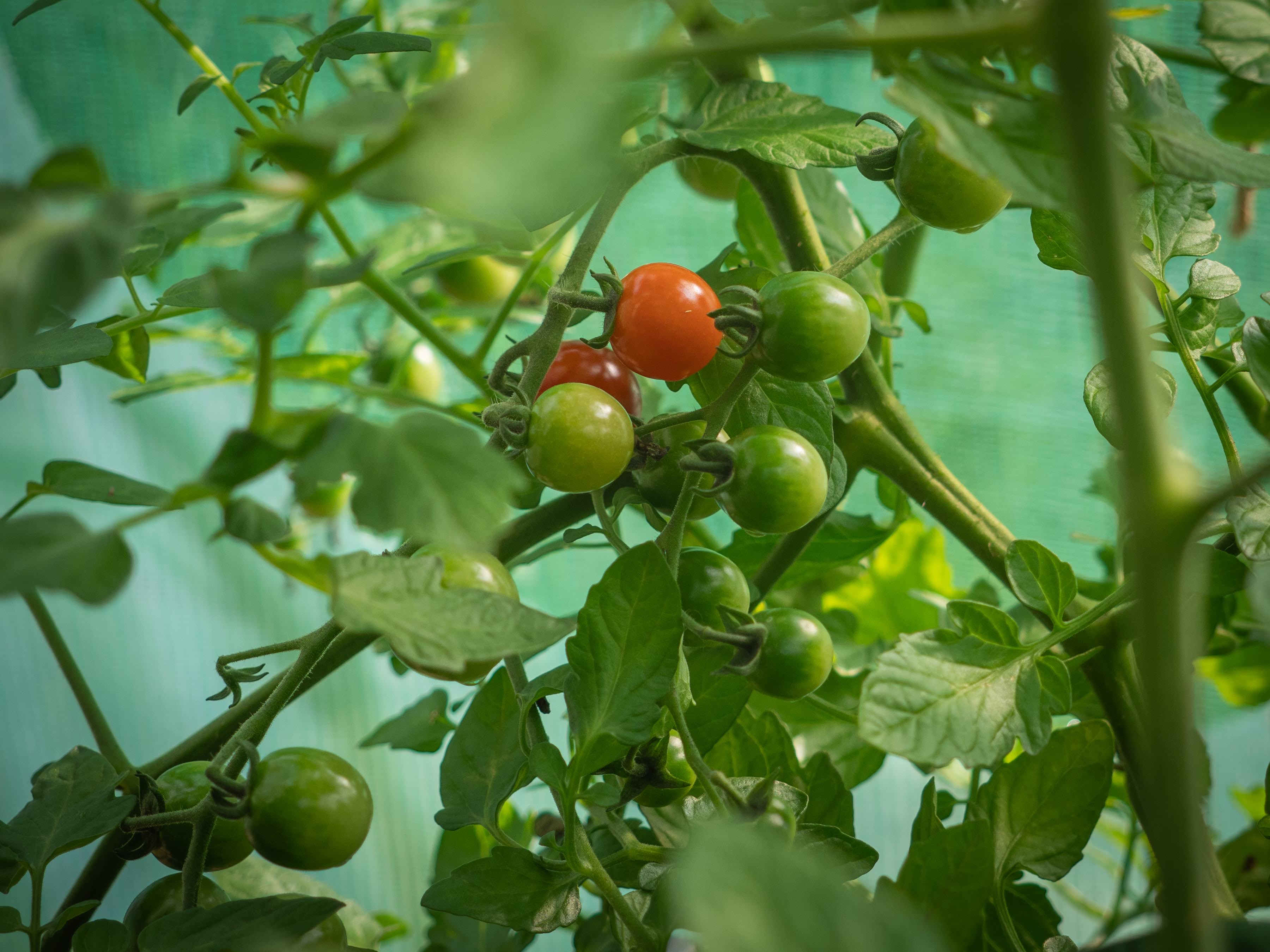
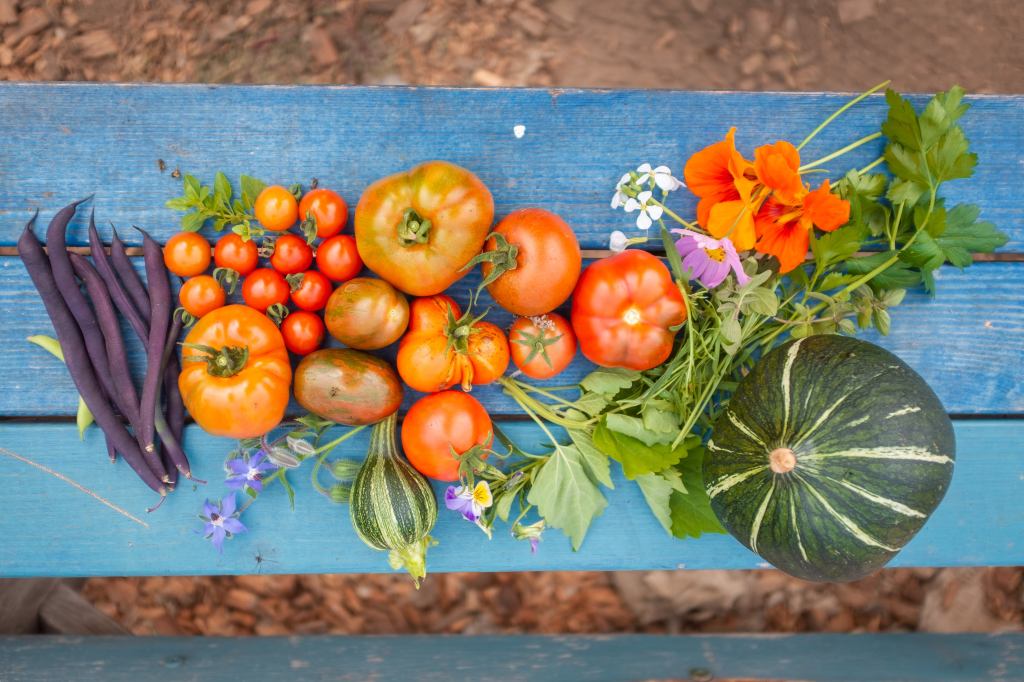
Of the varieties grown, the most successful in terms of ratio of ripened to unripened fruits were the smallest cherry tomatoes, whilst the least successful, rather surprisingly, were the beefsteak varieties, which were the first to produce fruit, but ended up as the the most likely to rot on the plant. In between, with an astonishingly huge amount of fruit, some of which ripened, some of which did not, and some of which rotted – were the India Stripe variety of plum tomatoes. These beautiful looking tomatoes were also the most delicious, even in their greener form, where they became used in multiple recipes from roasted tomatoes with pasta, to the classic tomato chutney recipes.
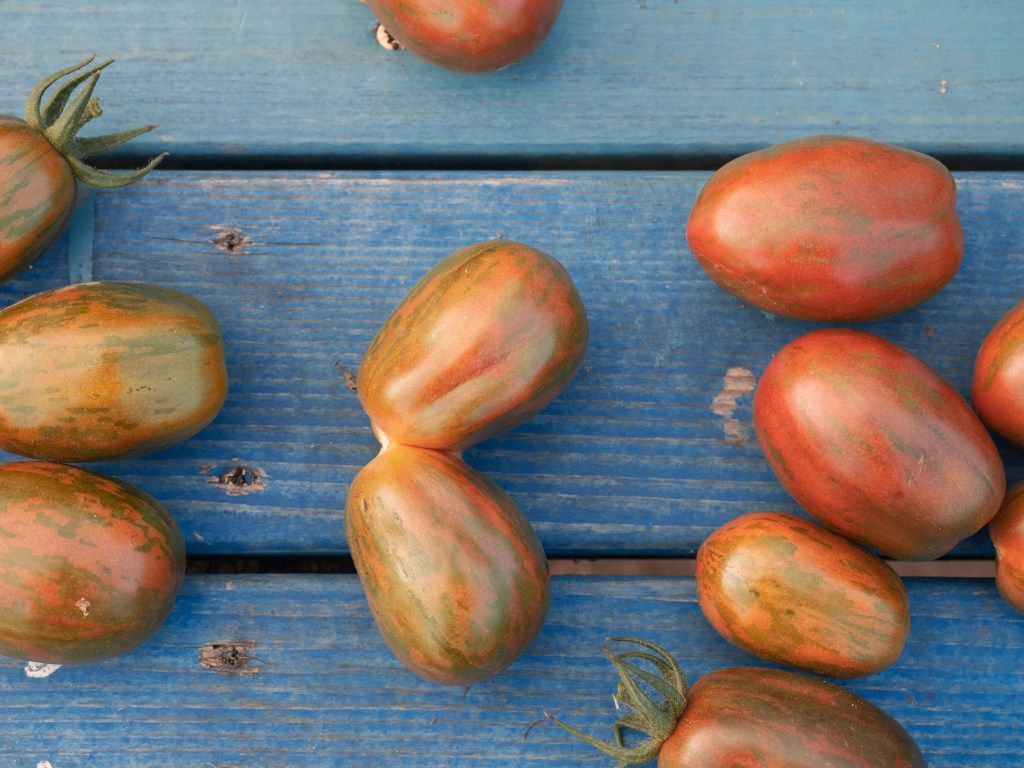
Next year I will try planting them along the western side of the tunnel, and a bit more spaced apart, as clearly overcrowding helps to encourage some rot. And the tunnel was indeed jam packed with all sorts of plants. Nevertheless the yield of useable tomatoes surpassed my expectations even though there were some problems.
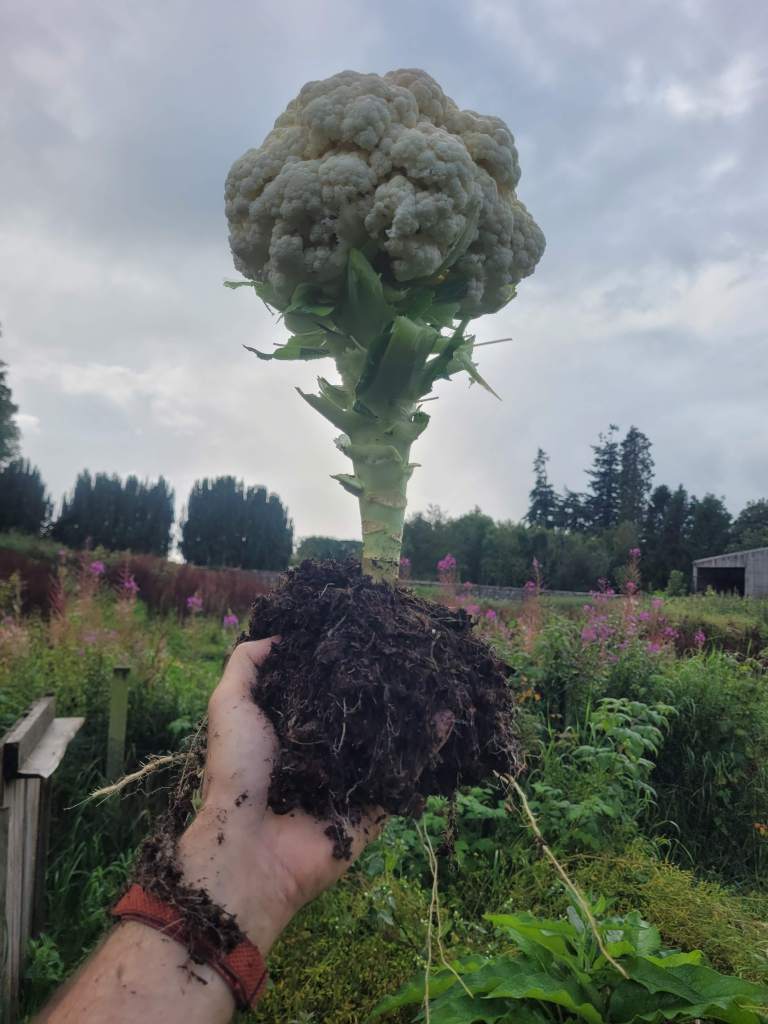
Brassicas were mostly very successful, including the wonderfully prolific self seeding mizuna, and the amazing perennial Asturian Tree Cabbage, which proved to be a great addition to the garden both inside and outside, and also dotted around the forest garden area. Cauliflower did exceptionally well, as did various kales, and japanese and chinese greens. Least successful perhaps was the purple sprouting broccoli, which bolted very easily both in or out of the polytunnel.
The much lampooned Jerusalem Artichoke was quite a revelation! Planted in three randomly created beds that were previously home to dense weed populations or grasses, cleared and then planted with the tubers and the (very successful) field beans in late winter (plus the unsuccessful winter squash varieties, in an attempt at a kind of “three sisters” planting). Not knowing what to expect at all, I was stunned to see that they all eventually erupted into towering sunflower like stalks (they are relatives) that didn’t produce any flowers at all, right up until the very first frosts arrived in October, when suddenly dozens of mini sunflower like flowers appeared on the end of their stalks, though by this time they had also been mostly blown down in strong winds. Harvests of these tubers (which are of the fuseau variety) were staggering in number. And as of the time of this post in late December, still only about half have been harvested – and even then, still many are left in the ground for next year. So, even though some may avoid these vegetables for certain…turbulent reasons, I’m extremely pleased with their possibly eternal presence, not least because their flavour is simply divine! With some staking, they can also becoming effective windscreens (haha) for any other plants that need some protection. And in fact two areas of planting, south of the forest garden, have the potential to spread further and become part of a system of windscreens that may help plants to the north, as strong prevailing winds are often funnelled through the wide west garden entrance and up into the forest garden. This may become of extra importance in the future once the old cattle sheds are dismantled.
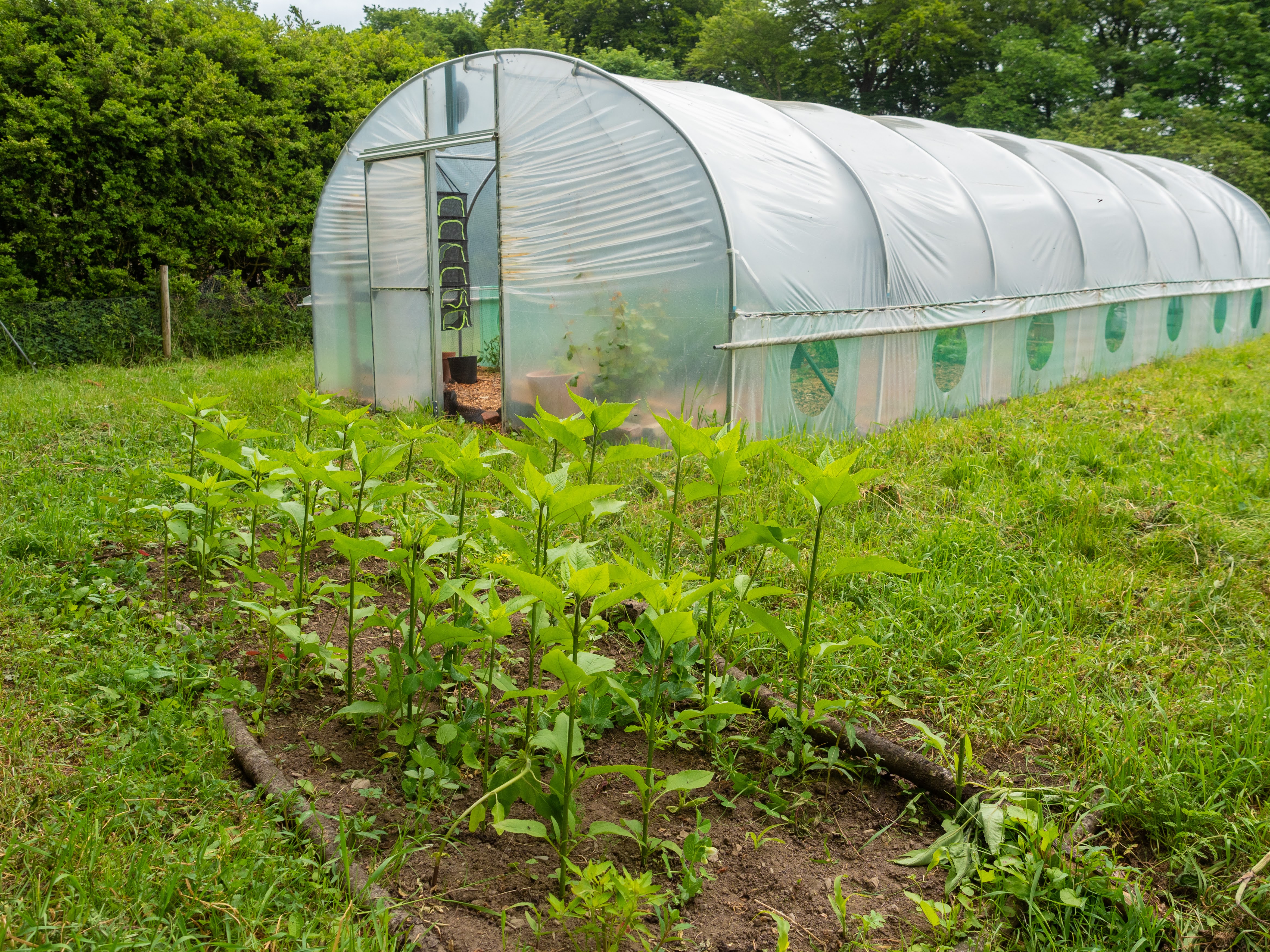
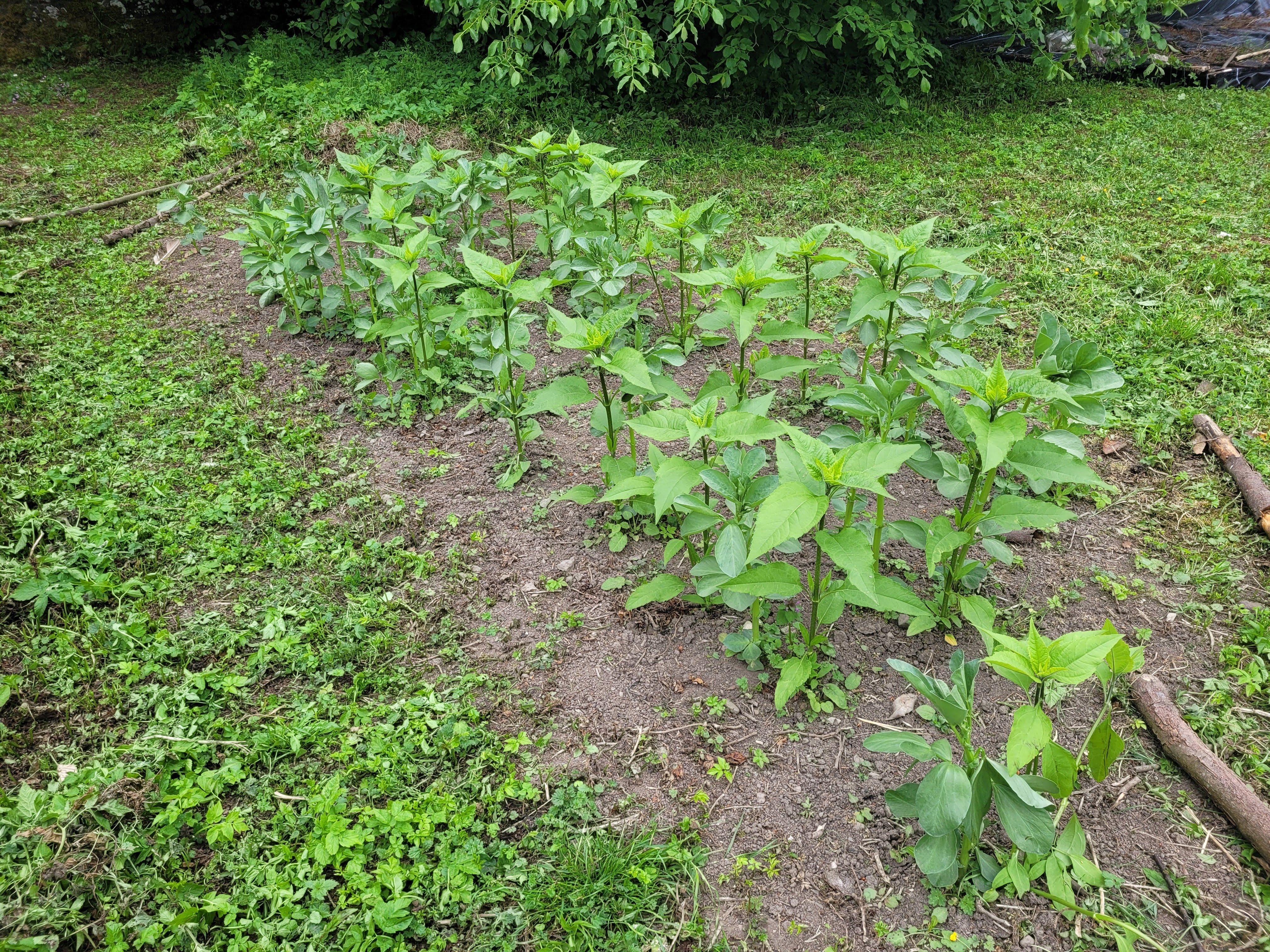
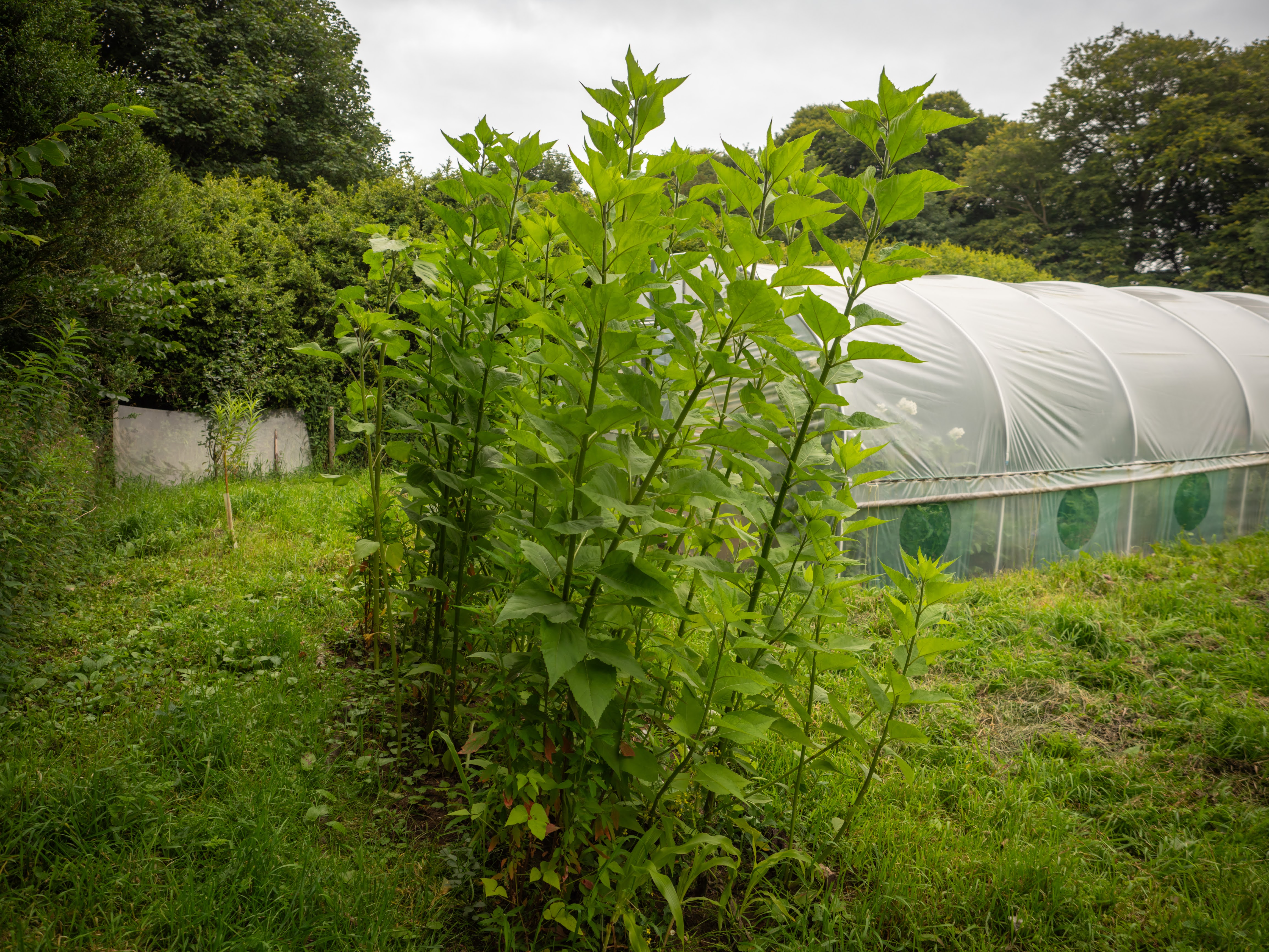
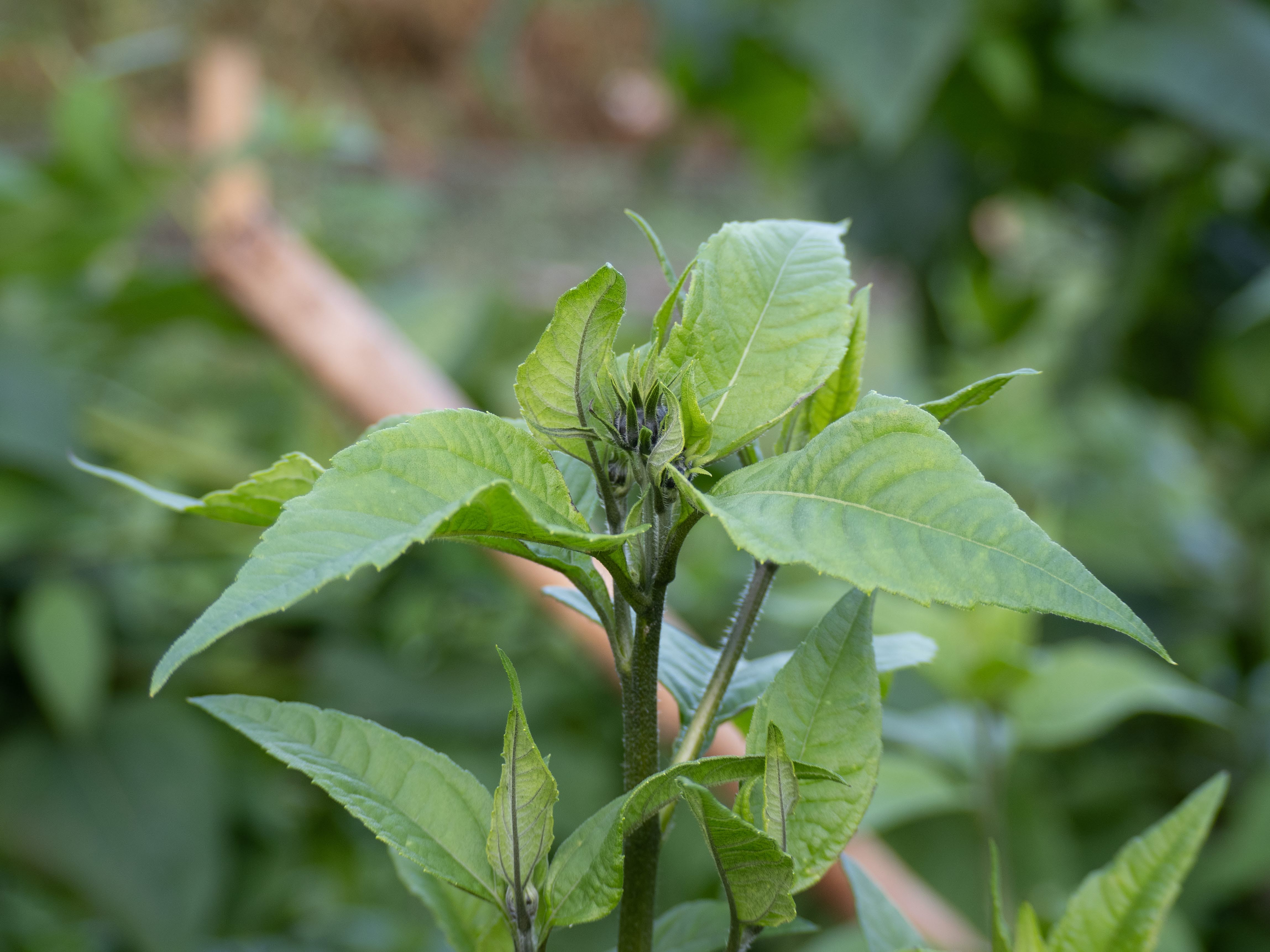
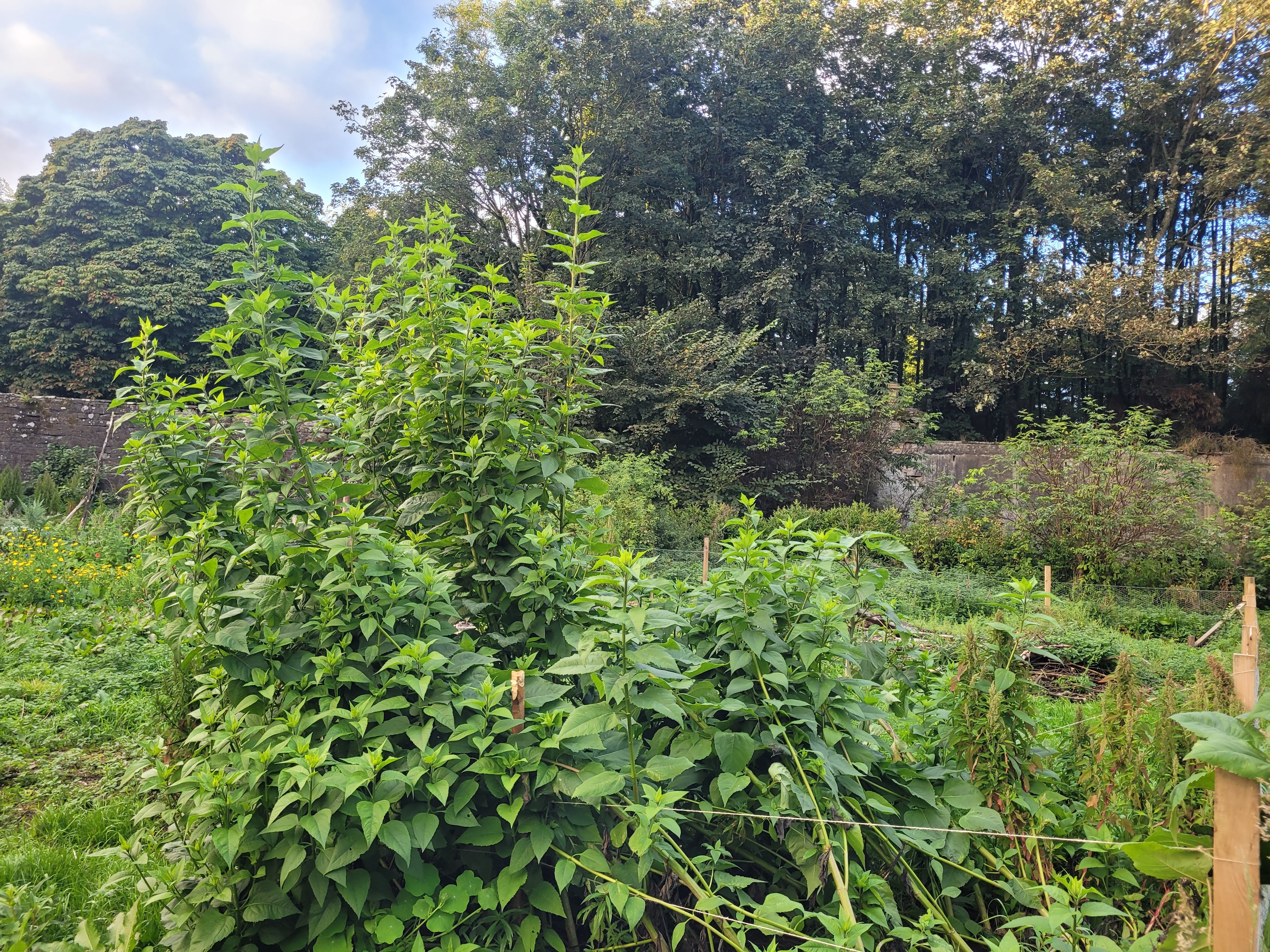
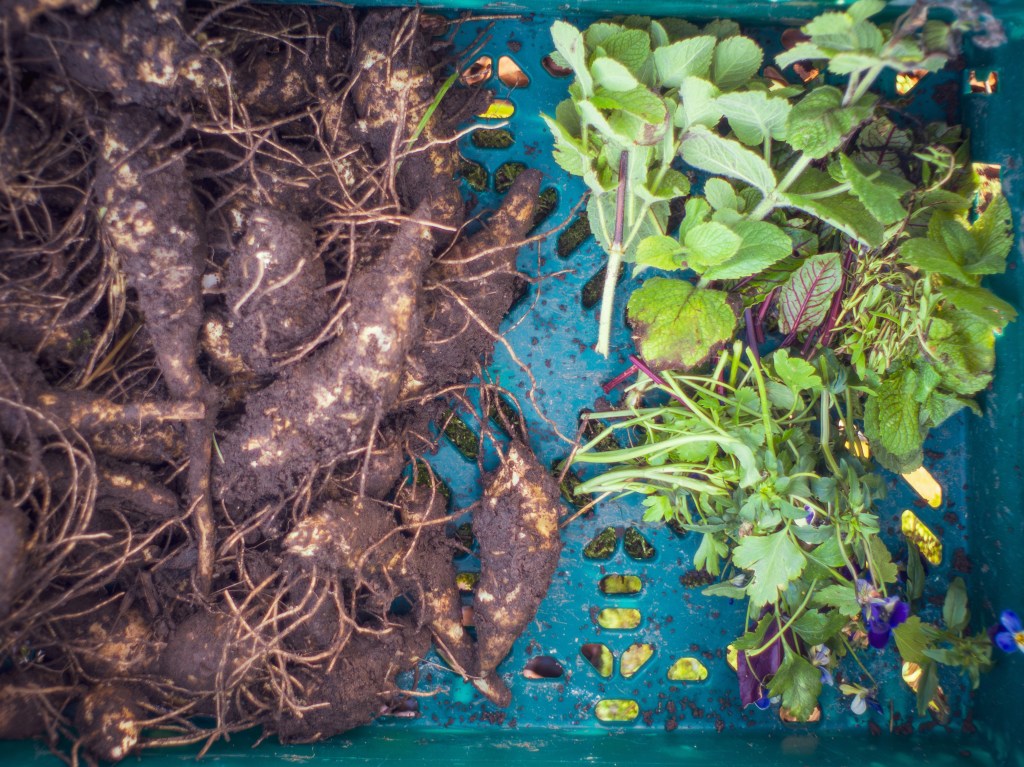
Hence I pronounce the Jerusalem (F)artichoke as vegetable of the year for the Bamff Walled Garden 2023, for its abundance, multi-usage and resilience (and flavour…and humour)!
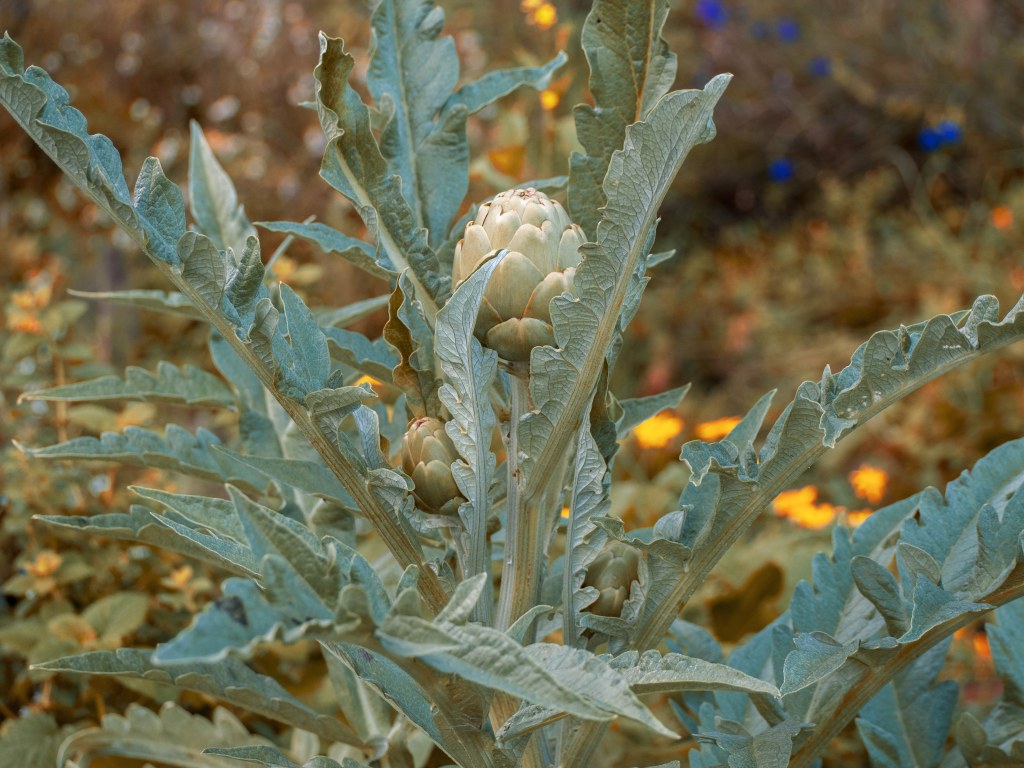
There is, of course, another type of artichoke, completely unrelated, and that is the globe artichoke. Grown from seed, these were also another unexpected success, and are now found in the forest garden area. Slightly similar in flavour to their tuberous namesakes, these thistle-like flowers produce the most sublime tasting petals – needing very little to enhance them after gentle cooking; a little olive oil, garlic and lemon perhaps.
Hopefully these perennial plants will too remain as a permanent and ever spreading presence in the walled garden.
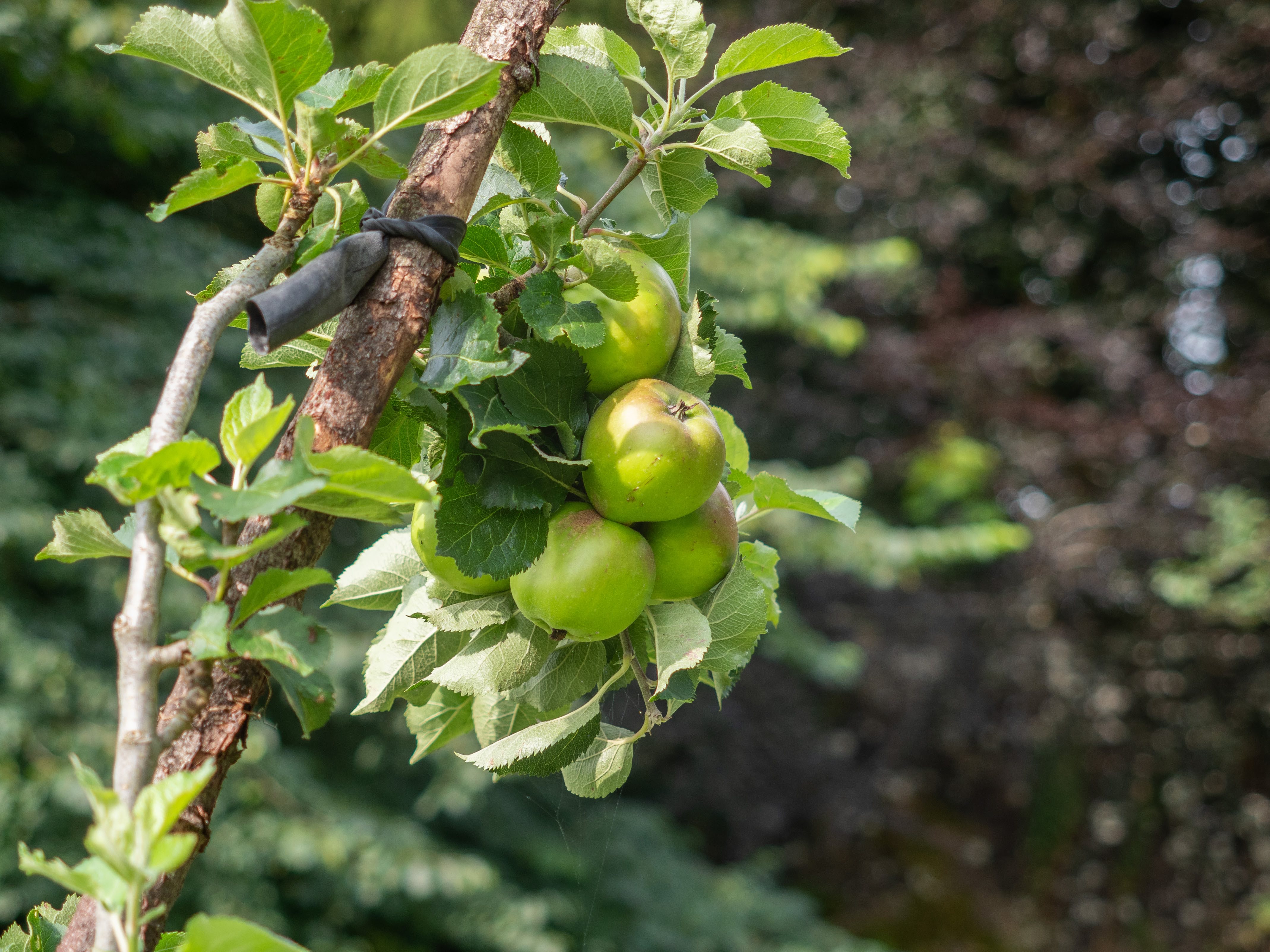
Elsewhere in the forest garden, the young fruit trees took a slightly disappointing turn. Initially it looked like the existing six small apple trees, planted in November 2021, would produce over 70 apples between them, but most were either blown off the tree, or eaten by birds. Others had fruits too heavy for some branches, and various attempts at supporting them didn’t work out quite so well. Then one of the ring-barked rabbit damaged trees finally gave up altogether, though it has a second life with a shoot thrusting vertically from above the rootstock joint. I’m now nurturing them as well as I can, protecting their bases, mulching, pruning and making sure they are well supported.
Joining them this year were various plum varieties and pears, but it’s far too soon to expect any fruit from these very small trees yet
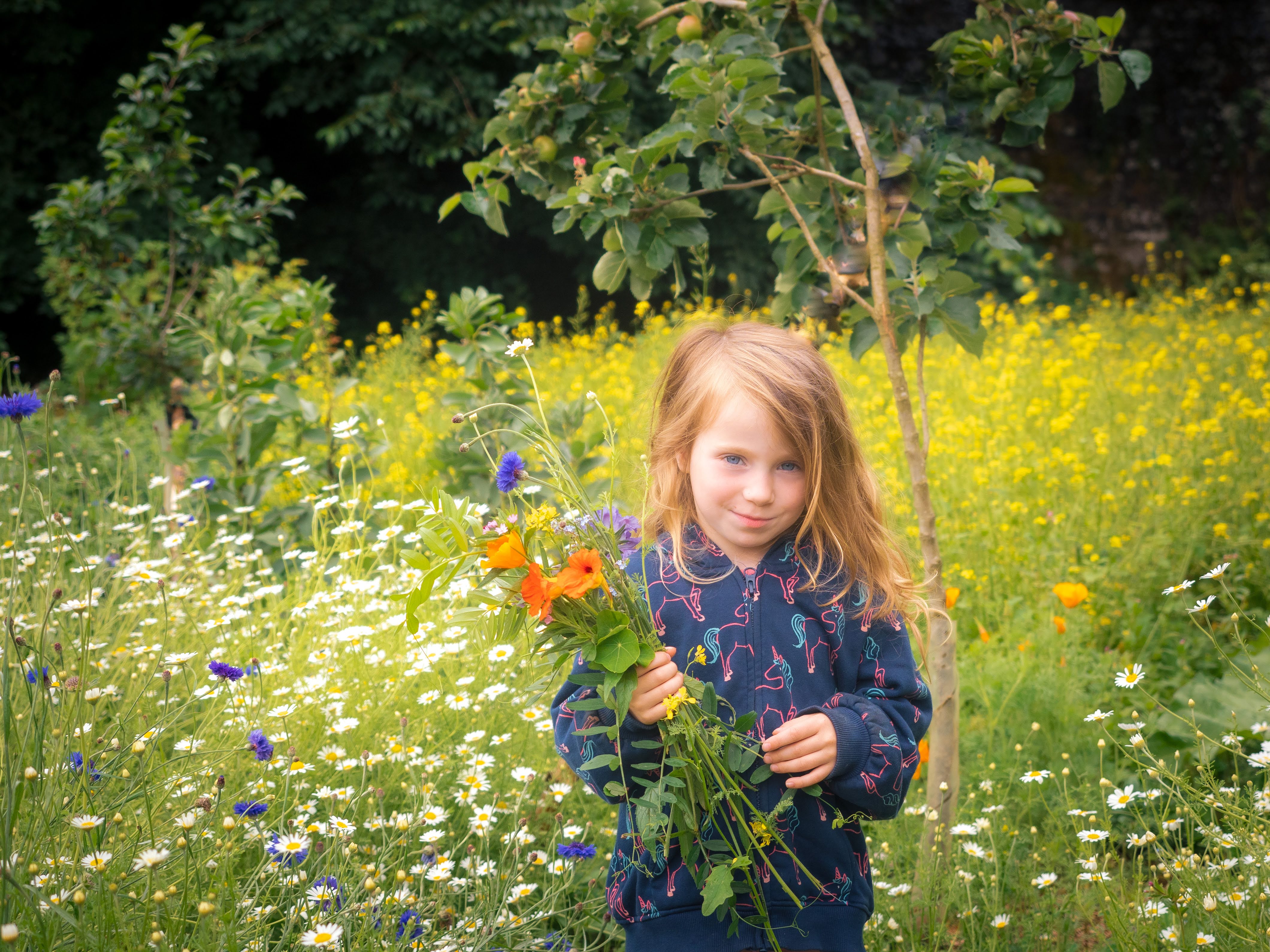
Regardless of these mishaps, the forest garden, overall, was a stunning success of abundance and colour – from various perennial herbs, vegetables, berries and flowers to hundreds of wildflowers and beautiful “green manures” of white mustard and common vetch. By the end of the season, the weed seeds that had been lying dormant, possibly for many years in the darkness under the towering willow herbs and nettle patches, were finally liberated and sprouted into life at an alarming rate – hence the now low-level dominance of creeping buttercup, which wants to strangulate everything it encounters. Next year will be partly about seeing how to deal with this new phenomenon. What I am sure of, however, is that I don’t want to have a scorched earth policy on the forest garden, and would prefer things to co-exist as much as possible without soil disturbing interventions.
Indeed, next year will be a little less dramatic in terms of the garden’s evolution compared to this year, and will mostly see the following:
- Removing all the vast amounts of plastic mulch sheets from the forest garden, replacing with corn starch sheets and woodchip, in preparation for future plantings.
- Adding a few extra fruit trees (mostly pears for better pollination).
- Only slightly expanding veg no-dig beds in number.
- Some crop rotation for potatoes and tomatoes.
- Starting experiments in grain growing together with more ambitious future planning with aspirations beyond the garden walls.
- Considering how to control or adapt to the proliferation of a new generation of low growing weeds.
- Planting various species of willow whips, from existing coppicing and from new incoming varieties.
- Endless scything…
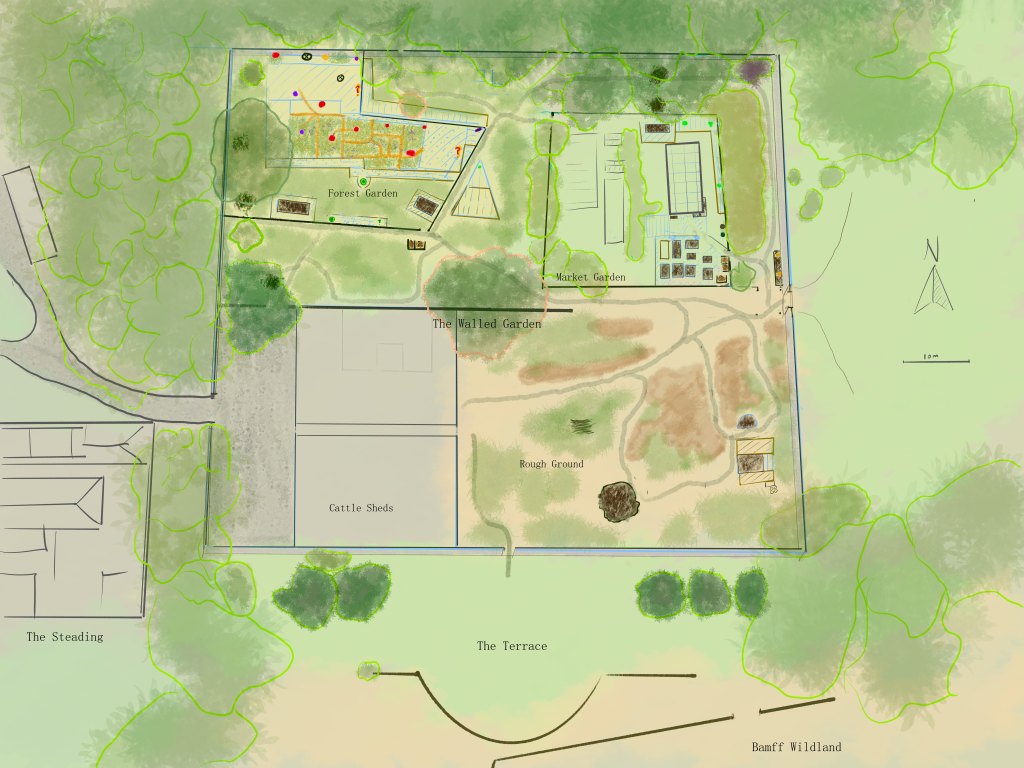

 The Bamff Walled Garden.