
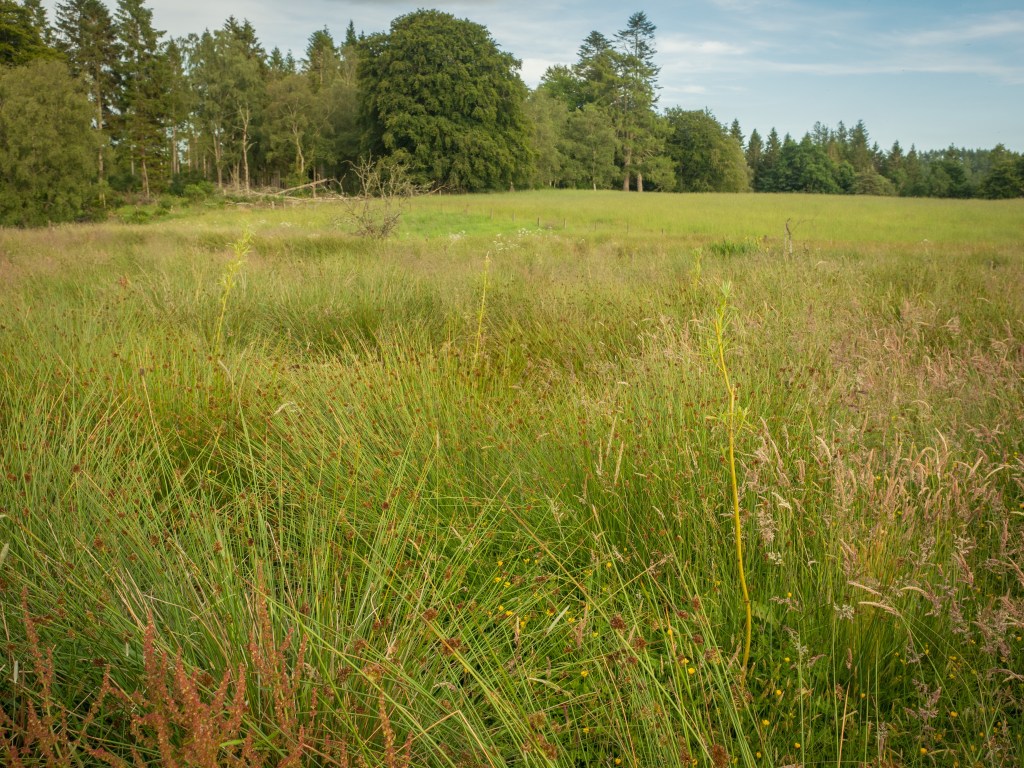
One activity I have been regularly doing at Bamff over the last three years is trying to propagate willow around the wildland area. Between spring 2021 and 2023 I must have jabbed into the ground (in damp areas) at least two thousand sticks of wildly different lengths; ranging from stubby little things about 6 inches long, to tall boughs that tower above me, plus a few saplings. Most have been snipped from willow near the Bamff beaver wetlands, some have also been brought in from elsewhere. Willow establishes itself very easily in damp ground, producing roots quickly and sending up new shoots rapidly, even from just a simple stick. But frankly, in my experience anyway, it doesn’t seem to make much difference whether it’s a 15 inch long rod, or a 2 metre high bough – they all seem to come to life in the right conditions.
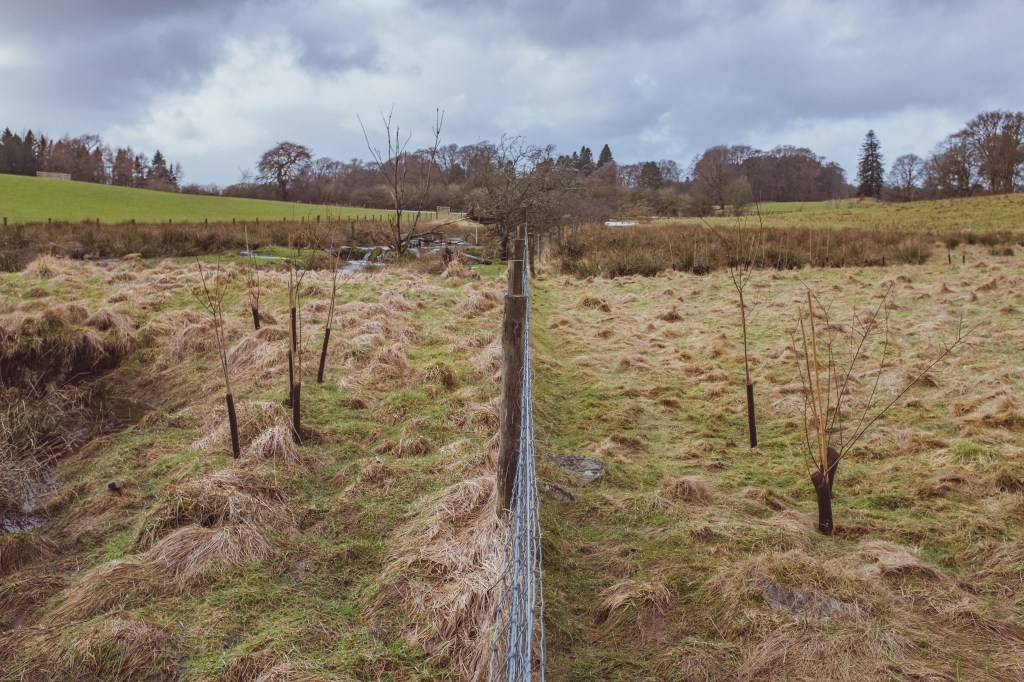
But there has been some limited success with this as many fall victim to deer and other mammals – who will feed on them most especially during the winter months. But a small proportion have survived and flourished, though not as many as I would have liked.
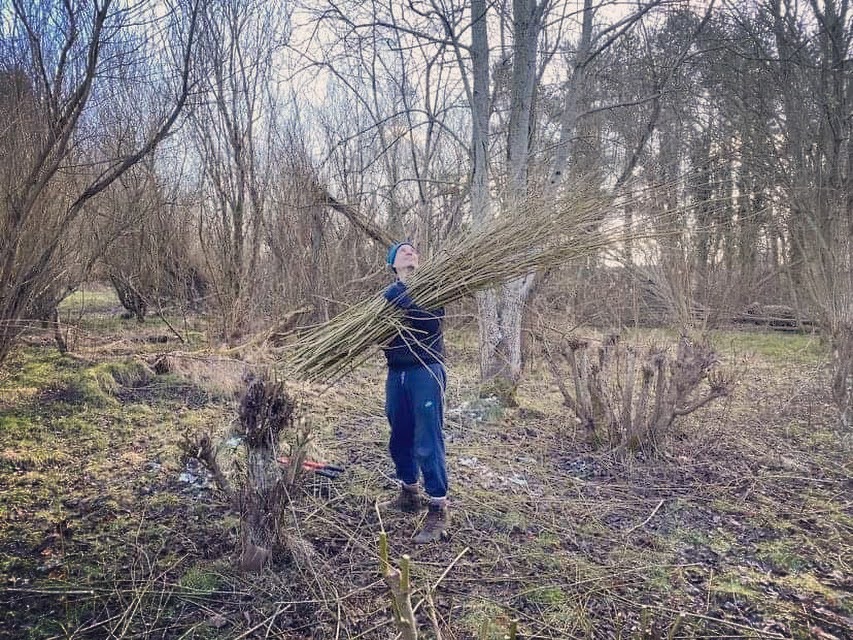
In March, we decided to up our willow game somewhat, and travelled to a park in Brechin, Angus, where forester Fred Connacher encouraged us to snip and ultimately coppice as many of his willows as possible – the predominant species of which is Salix Viminalis, also known as the common osier. This fast growing variety can shoot up many metres in just one year, and has often been used for biofuels. It’s also a strong bendy willow that can be effective for hedging and furniture construction, but isn’t quite fine enough for basketry.
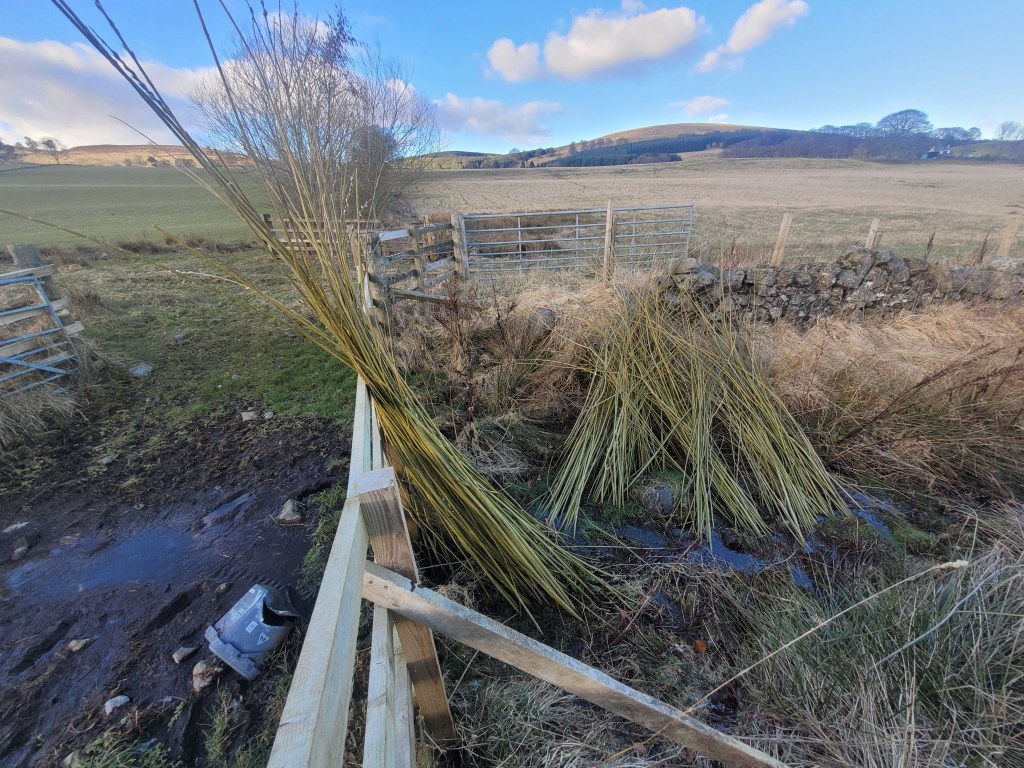
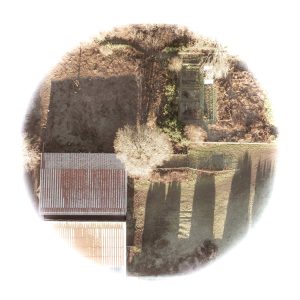
We crammed a pickup truck with as many as possible – and I gradually planted them all over Bamff Wildland. But this time, a few were also planted in the walled garden, alongside another different local (unidentified) species, to see if this could become a “crop”. With even just a few protected trees, regular coppicing should be able to produce (much like in Fred’s plantation in Brechin) a copious and practically endless supply of willow, that can be used for all the cool stuff: rewilding/treeplanting, hedge/fedge construction, furniture making and more… other finer species (such as salix purpurea) will also be incorporated to explore more small scale willow weaving – so yet another objective for the coming years!
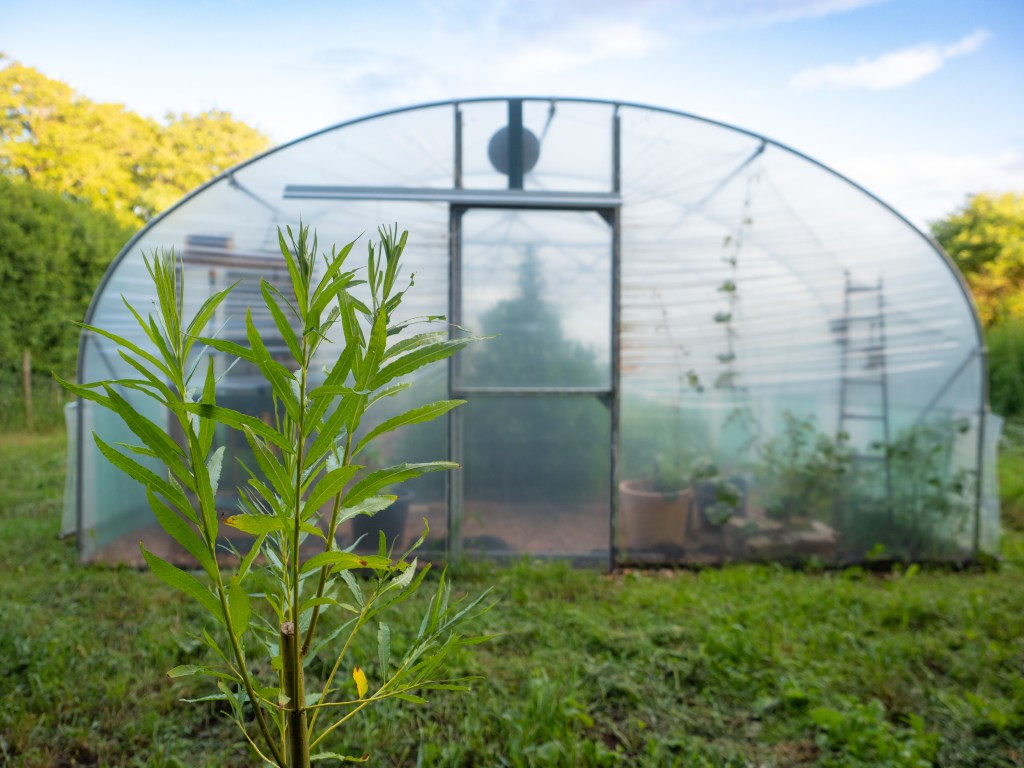

 The Bamff Walled Garden.