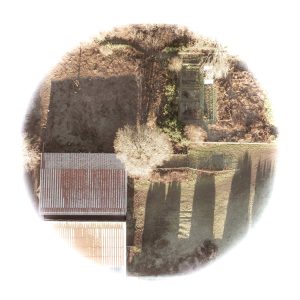


The north west quadrant of the Bamff Walled Garden helped to kickstart the whole project by becoming its very first focal point.
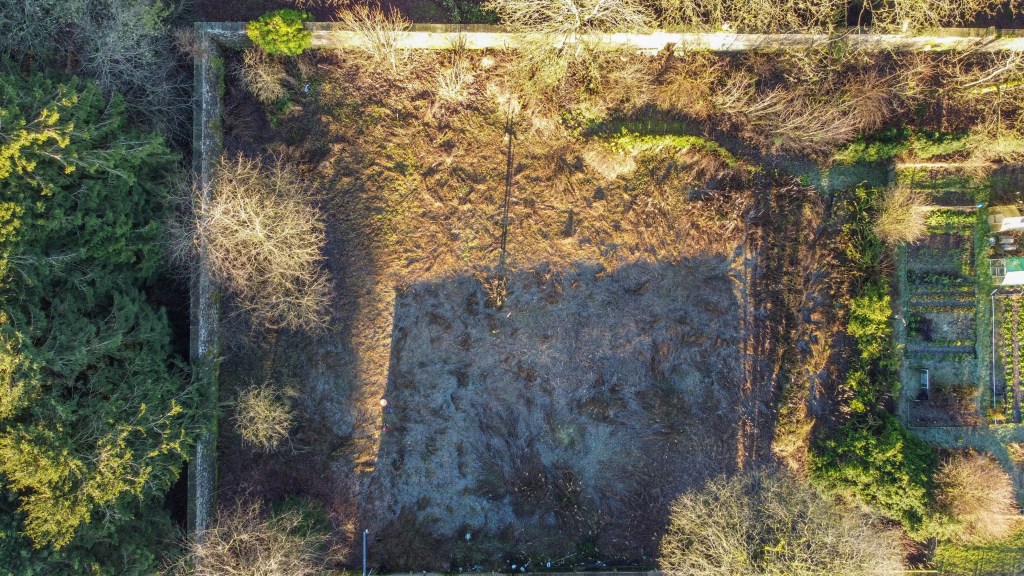
Before I took the garden on as a long term responsibility, this particular area in the north-west corner was the most enigmatic and unexplored. Some evidence of prior small scale gardening attempts were uncovered during scything and tidying, but generally speaking, this roughly half acre area had become a wild and gnarly landscape of rosebay willow, nettle, ground elder, self seeded sycamore and red berried elder, ivy, old box hedges and unidentifiable fruit trees that must date from the very early days of the garden, as they can no longer bear any fruit.

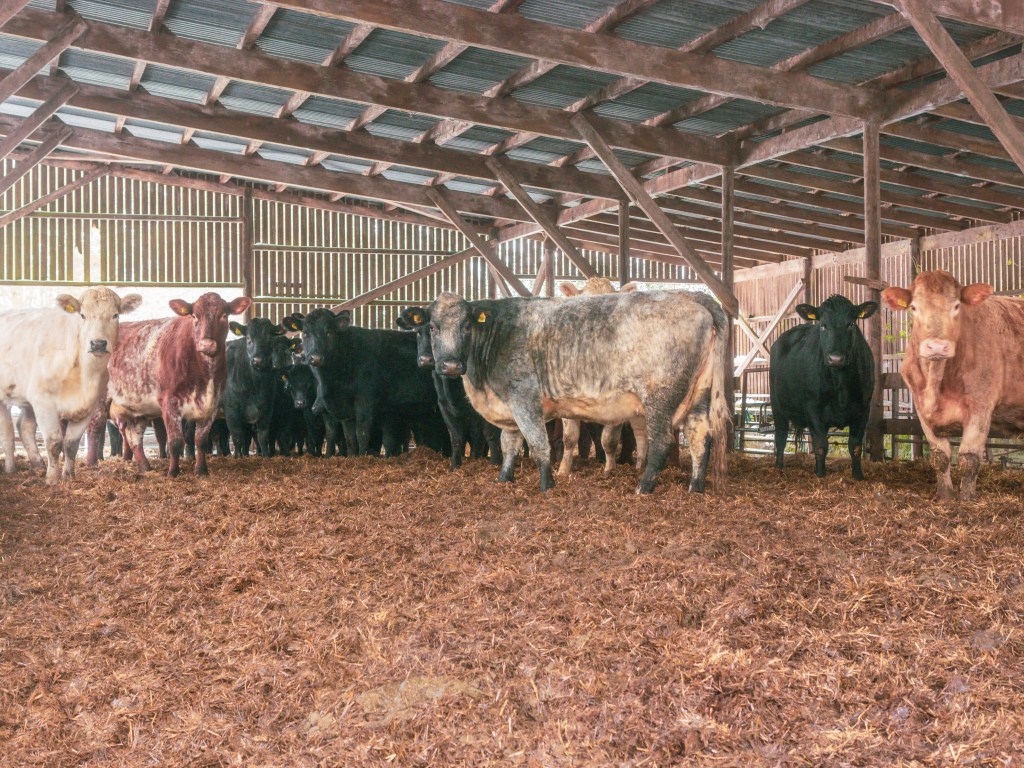
Our local friend and renowned permaculture practitioner, Kate Everett, was consulted by the Ramsays at Bamff during 2021 to help advise how to proceed with the walled garden now that it had become almost entirely abandoned (with the exception of a small allotment used for many years by the ex-gamekeeper). Since summer 2021 the local farmers were no longer permitted to use the garden’s cattle sheds and southern paddock for their sheep and cattle stock, thus freeing it up for a new paradigm moving forward.
Early thoughts were that perhaps someone living reasonably locally might want to commute, maybe from nearby Alyth, to start a market garden business in the walled garden. But this exploration didn’t amount to much, partly because its economic viability remained somewhat elusive and fantastical, hence the question still remained: who then, was going to do something with it?
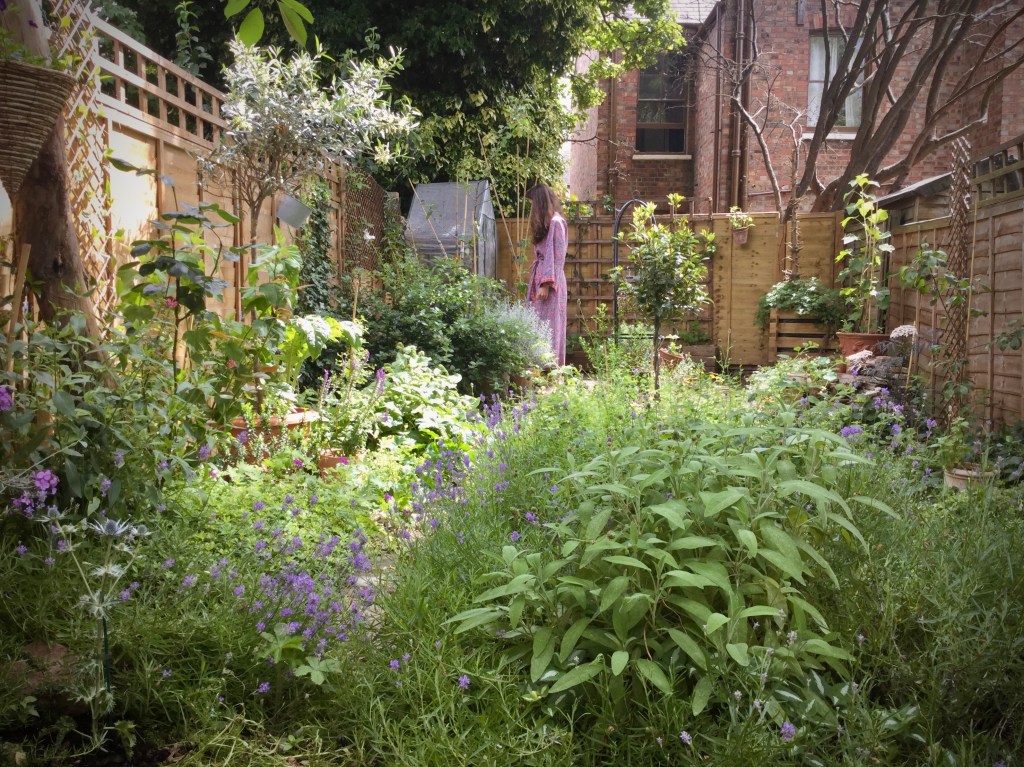
My initial response of seeing the walled garden at Bamff some years earlier was one of magical wonder. “What a beautiful place”, “why isn’t anyone doing something good with it”, “why are those ridiculously massive cattle sheds there”, “imagine how it could be!” These sentiments were noted, and along with my personal potted history of gardening (mainly herbs and fruit trees in a couple of London gardens), led to a vague consensus that perhaps it should be me looking after the walled garden, as I was living at Bamff with my family and effectively in love with this spot. Additionally, we were planning to, at some point in the near future, embark on building a new domestic residence to live in that would be almost certainly very close to it. The future of Bamff House (and various other – often ruined – buildings at Bamff) was the subject of an ongoing heated discussion, inching very slowly forward to some kind of plan involving rewilding, education, research, the arts etc. But what it did ultimately mean for certain, was that since we were currently living in one of the Bamff House flats, my family would soon need somewhere new to live at Bamff, that is if we were to remain living on site which seemed like the only real choice we had, considering how our lives had become so intertwined with the land (my partner Sophie being the full-time leader of the Bamff rewilding project – myself also being often involved whilst also interested this new garden project). As there were no other properties available, the only option left would be to build. But also it would be an exciting opportunity to build Bamff’s first ever eco-home. More on that another time.
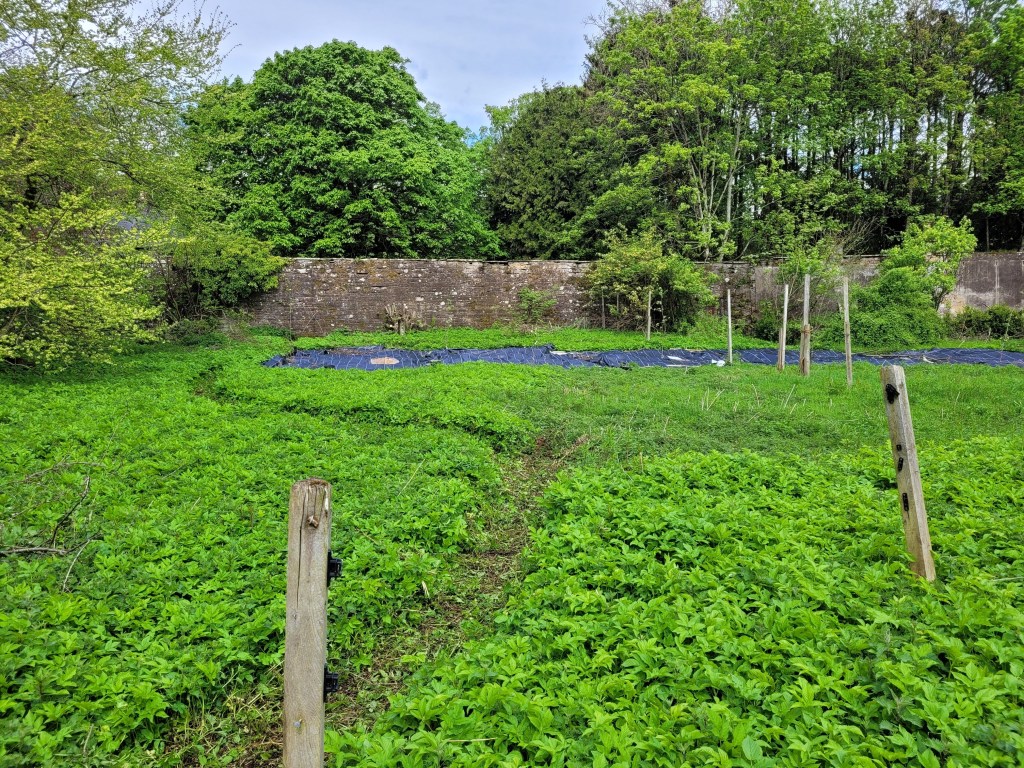
Bearing all of that in mind, Kate essentially took one look at me and said, with a mischievous glint in her eyes, “I think I’m looking right at the person who should do it”. Actually I think she called me a “strapping young man” – but that doesn’t seem right somehow… Anyway, this put me on the spot. Was this really something I should dedicate so much of my energy to? What about my musical life? Where will this take me? What even is “permaculture”?
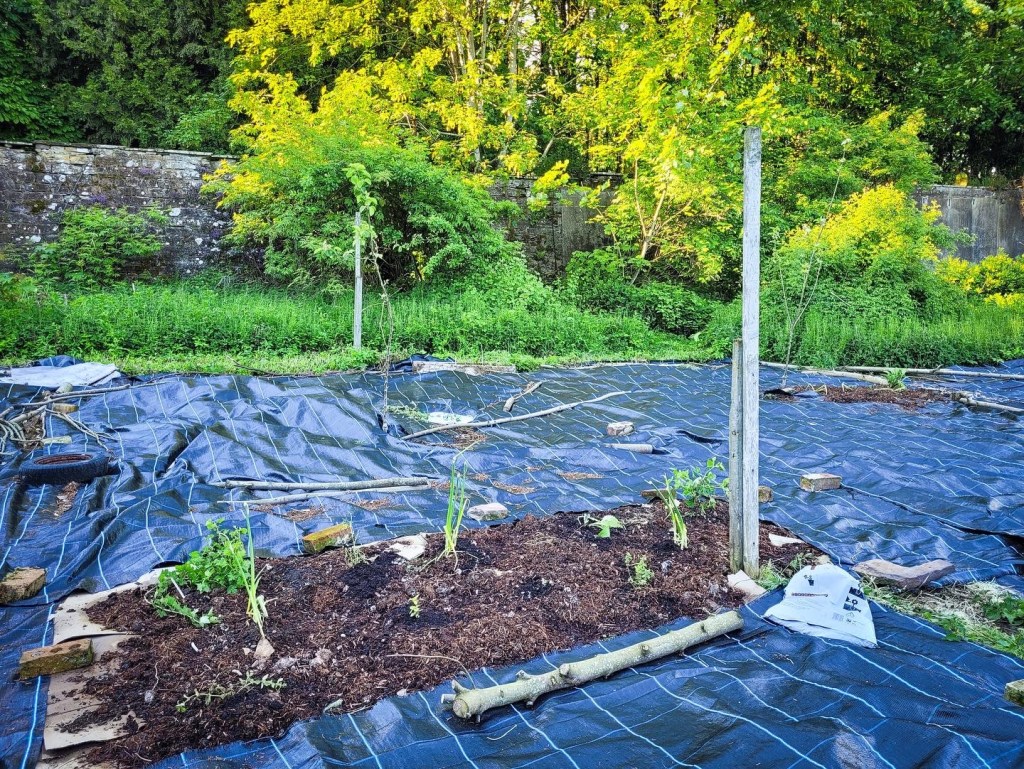
The details concerning the journey of what happened next will be well documented in and around this blog, but at this point Kate immediately suggested that the north-west quadrant of the garden could be developed as a kind of self contained “food resilience” or “forest garden” project. I vaguely knew what she meant, but also felt out of my depth. Which is why I embarked on a trajectory involving educating myself, including attending a Permaculture Design Course, and then later choosing to start a diploma course.
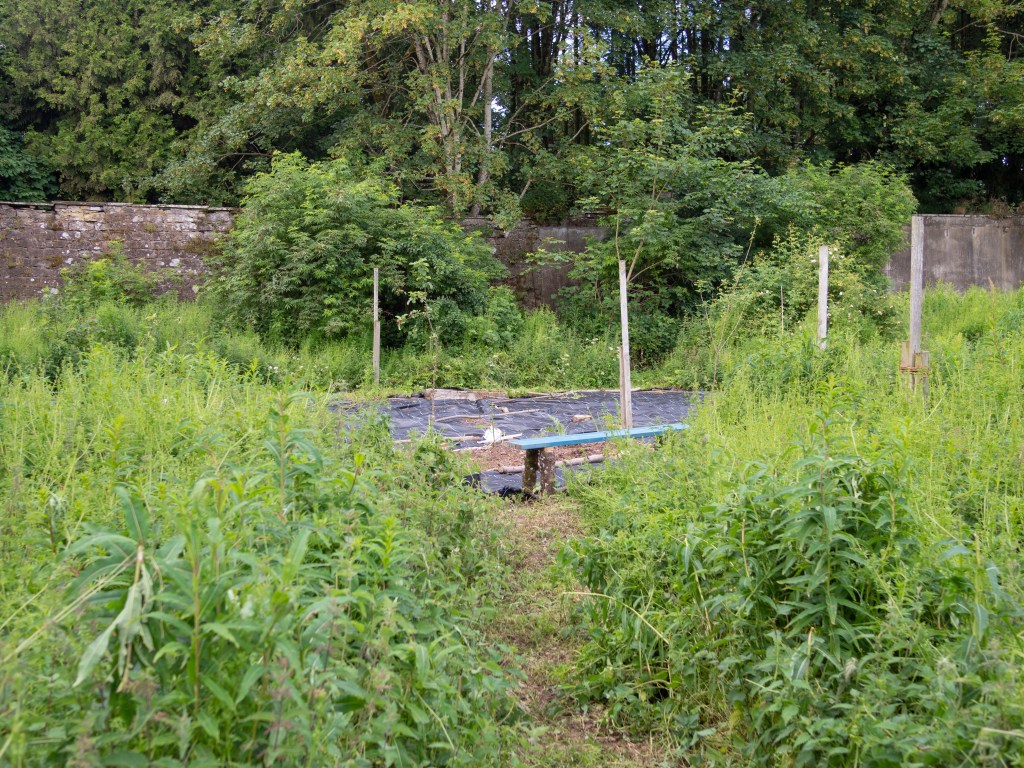
The initial steps I took in this “forest garden” area (which can be defined as an initially cultivated area with mostly edible, mostly perennial plants, shrubs and trees, whether they be fruits, or nuts, or herbs, or vegetables, that provide full ground cover and that can sometimes assist each other, perhaps by their varying phases during the growing season, or by their allelopathic qualities, or by their way of interacting at a topographical level that emulates the habitat of a natural forest clearing or edge, but which most importantly of all helps to achieve self sustainability) was to lay down some admittedly unpleasant plastic mulch sheets. There simply was no feasible way I could cover such a massive area of densely intertwined weed roots with the much preferred “no-dig” method of cardboard and compost layers, then add all the required plants/trees – nevertheless, repressing weeds whilst planting a small number of apple trees seemed like a good first step. Later on in May, I had, as part of my PDC course, visited probably the most famous of all forest gardens in Scotland, Graham Bell’s long established paradise in Coldstream – interestingly also within the walls of an old walled garden. To create something even barely resembling that would obviously take many years, perhaps even decades.
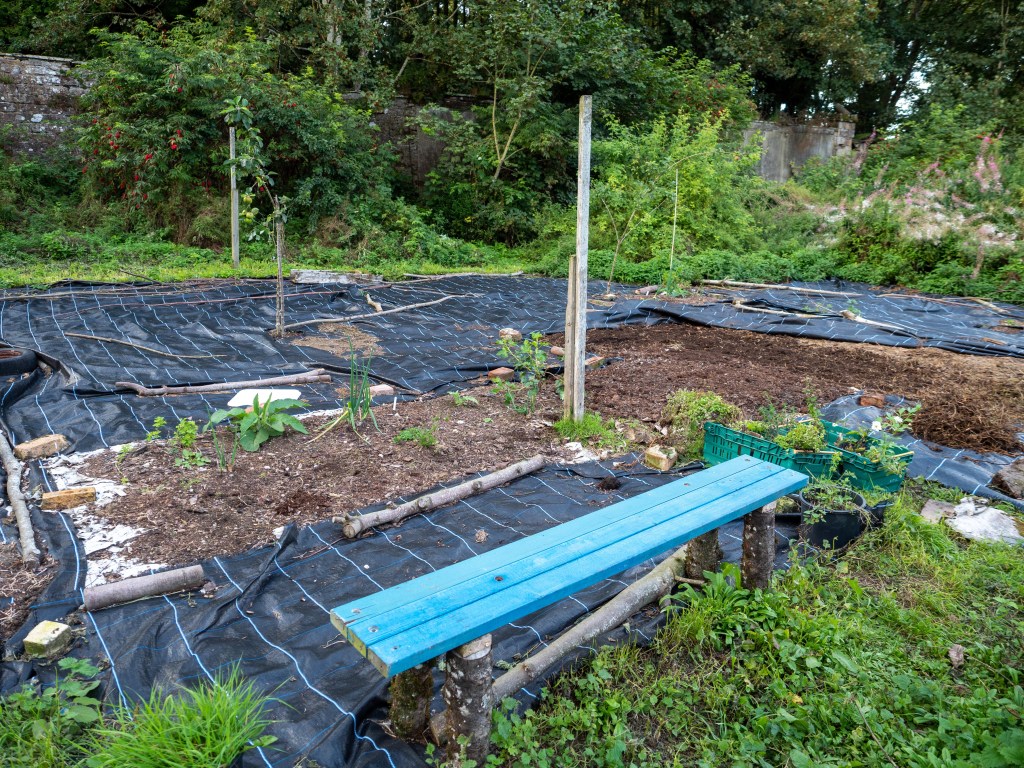
Nevertheless, some months later, I felt I needed to make some proper progress here, as so much time and energy had been spent in and around the obsessed over polytunnel. Initially it made sense to simply remove a small area of plastic sheeting, and replace that area with “no-dig” layers of cardboard and mushroom compost, of which a fair amount still remained from the delivery in May 2022. And also by creating an attractive and practical path network (through regularly scything various routes through the weeds) and finally by knocking up a couple of compost bins for the weed cuttings .

Into the new planting beds went some kind donations from Kate, including worcesterberry, jostaberry, blackberry, “walking” onions (or Egyptian onions) and some other additions I acquired such as an artichoke, marjoram, comfrey (the illustrious boking 14 – a totem of permaculture circles). Various mints, a welsh leek and a lovage (donated by Willowburn Lea in Leadburn), some gifts from a friend Michaela including oregano, hollyhock, buddleja and others,. Then later some small plants that began life in the polytunnel, such as miner’s lettuce and minutina. A bounty of mostly edible species – it felt encouraging to take this next step and to imagine it extrapolating over a far more massive area in the coming years.
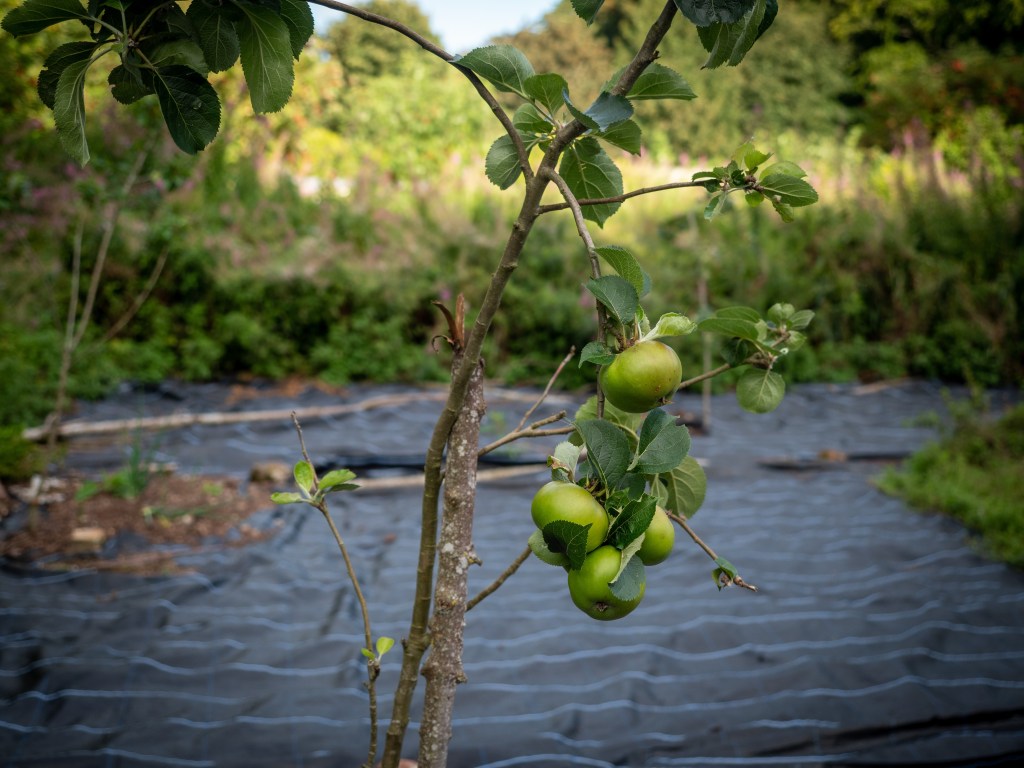
Additionally, nearly all the new young apple trees had blossomed, eventually bearing fruit. The total number of apples produced was…13, and they all went to the local wildlife species rather than humans, but it was still wonderful to see.
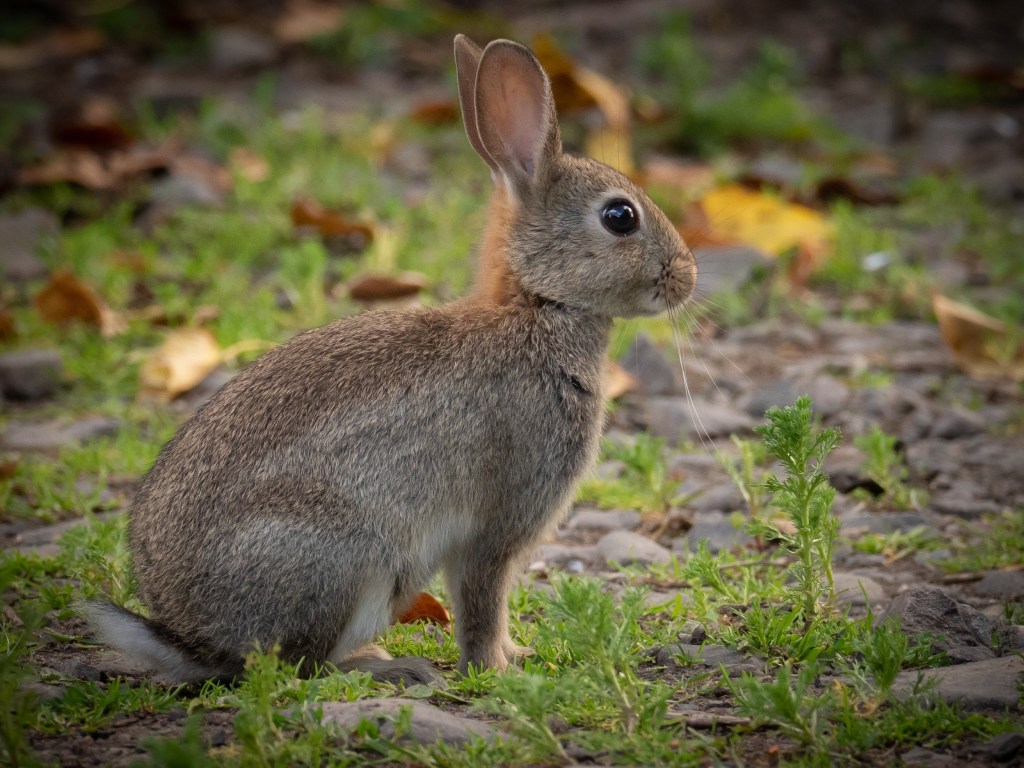
Except.
Practically all of it was later demolished by the rabbits!
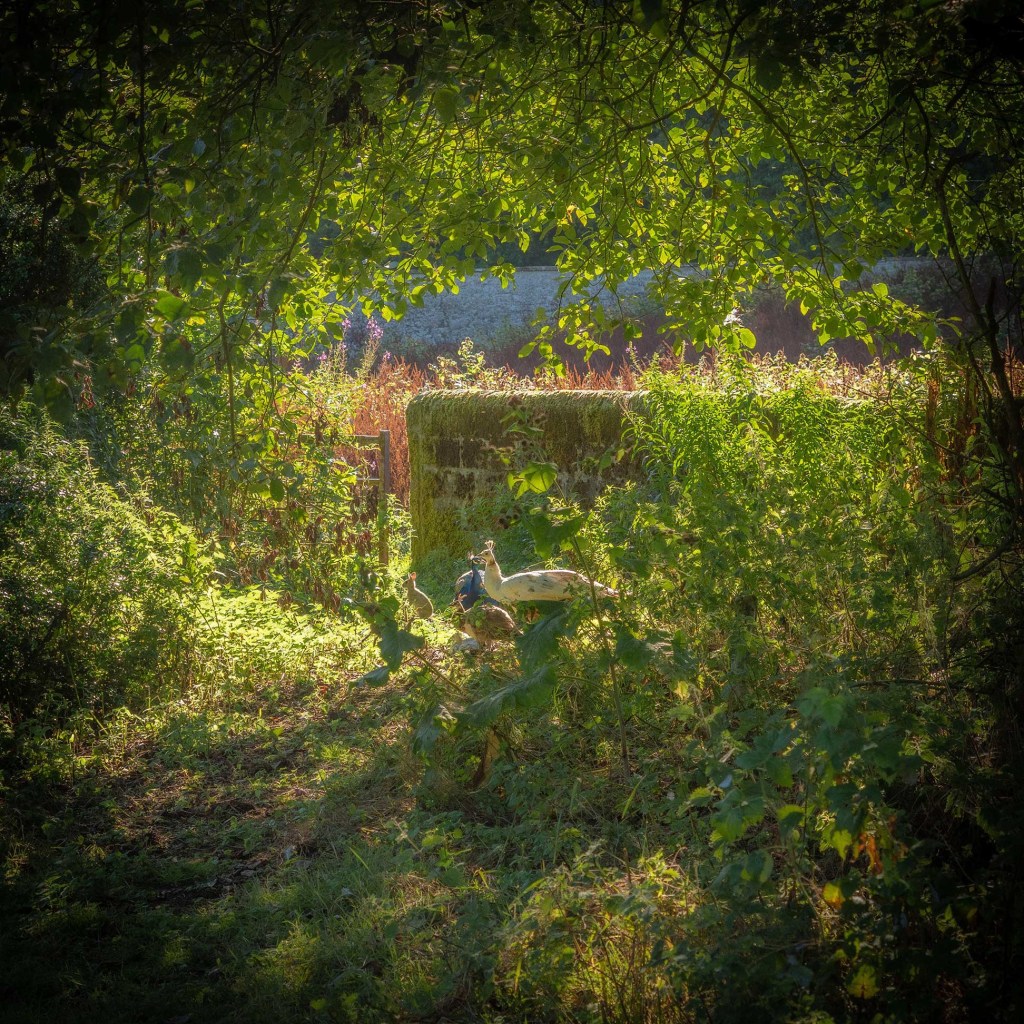
Rabbit activity was obvious during the summer months – their droppings found all over the plastic mulch sheets. They were clearly breeding around the entrances of the walled garden, but they seemed not to bother any of the plants or trees, with perhaps the exception of nibbling on the single artichoke plant – which kept happily bouncing back into life. If anything, they were at this point far more of a problem in and around the polytunnel area.
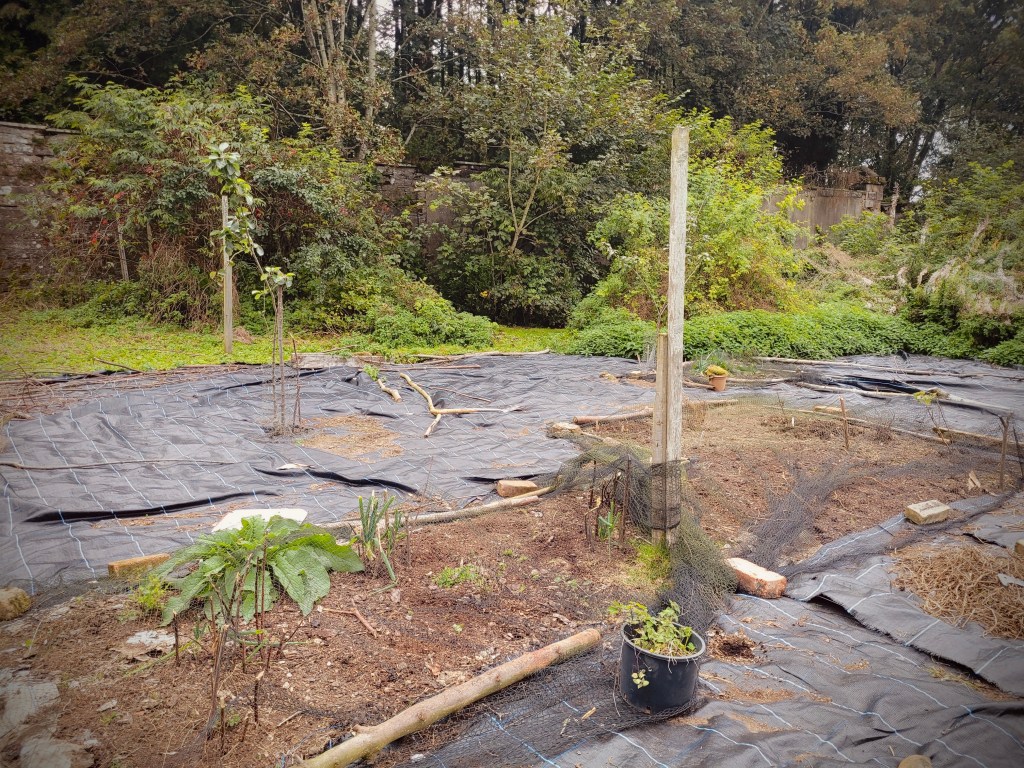
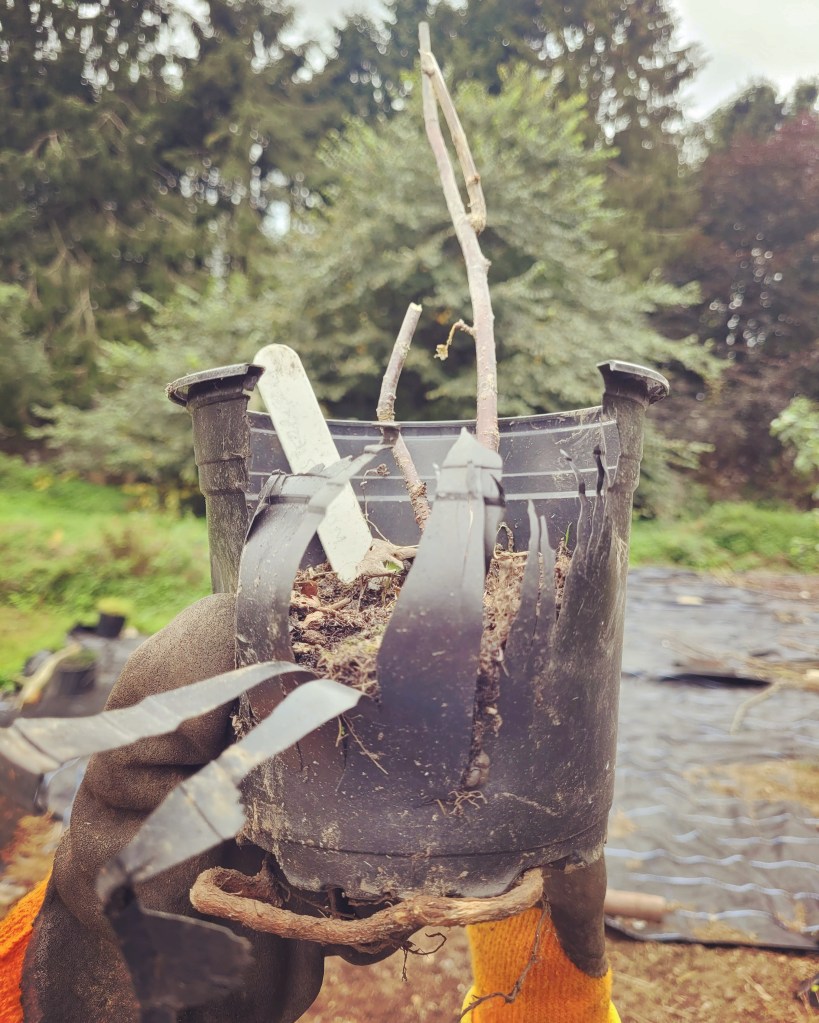
So I took little notice of the situation until mid-autumn, when suddenly absolutely everything became a target, including the young apples trees themselves – a couple of which were entirely ringbarked. The artichoke was no longer gently nibbled, but entirely pulled out, then entirely eaten. Similar things happened to other plants – completely excavated and left for dead, that is, if anything remained at all. Plants that were waiting in plastic pots were eviscerated (as in, the plastic pots were eviscerated before reaching the plants!). It felt almost apocalyptic! The best I could do was to place a large amount of donated netting over the beds, essentially suffocating and restricting the movement of anything that remained viable (which was not all that much), and also to place chicken wire around the bases of all the fruit trees. The ring barked trees immediately received urgent medical attention with a covering of damp moss and clingfilm! I fear that one of them will not survive, but we can only be sure of this come next spring and summer.
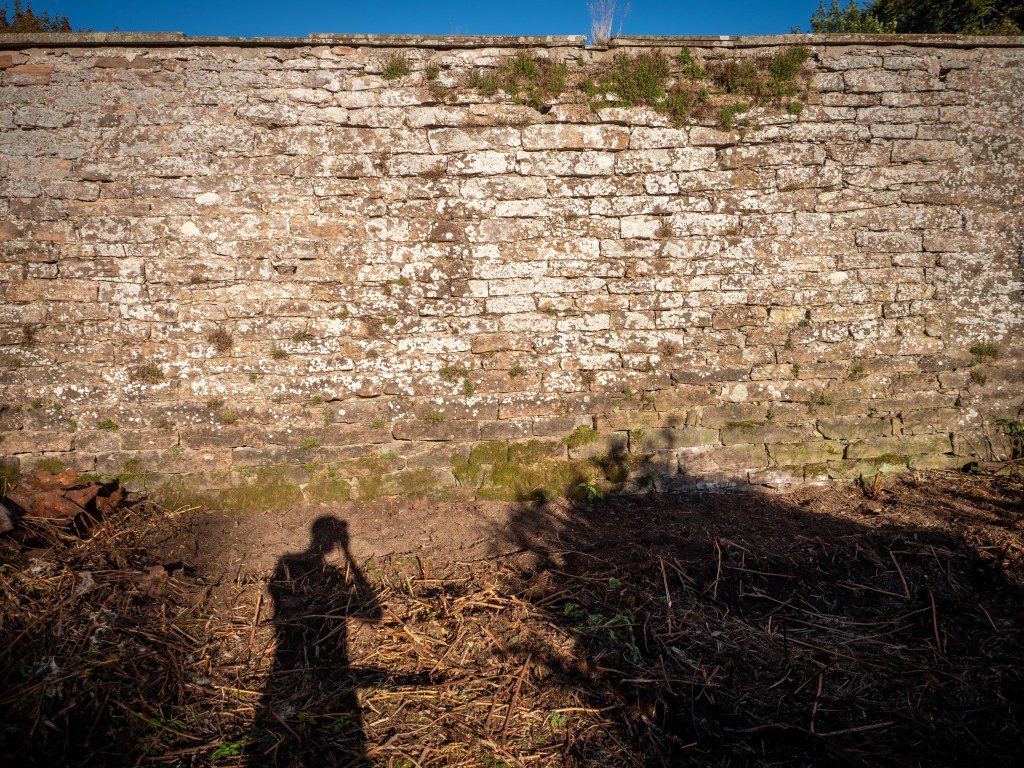
It felt like major step backwards for this particular part of the garden – and so thoughts turned to fencing, as one solution was to perhaps create a fenced off area within this quadrant – a garden within a garden (within a garden).
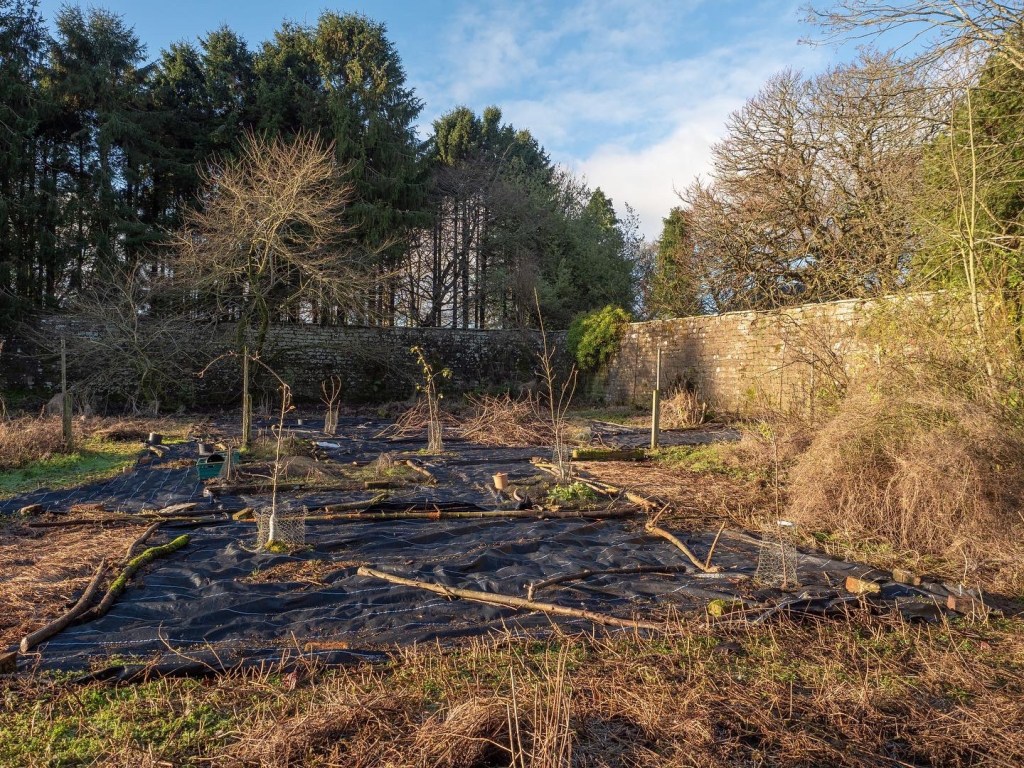
Nevertheless, I still somewhat defiantly proceeded to expand further, and added another apple tree and then a pear tree along the south facing wall – plus two extra pear trees along the west facing wall, where another “forest garden” strip was being newly created together with some berries and other perennials. Needless to say, all new trees planted now are immediately protected at their base.
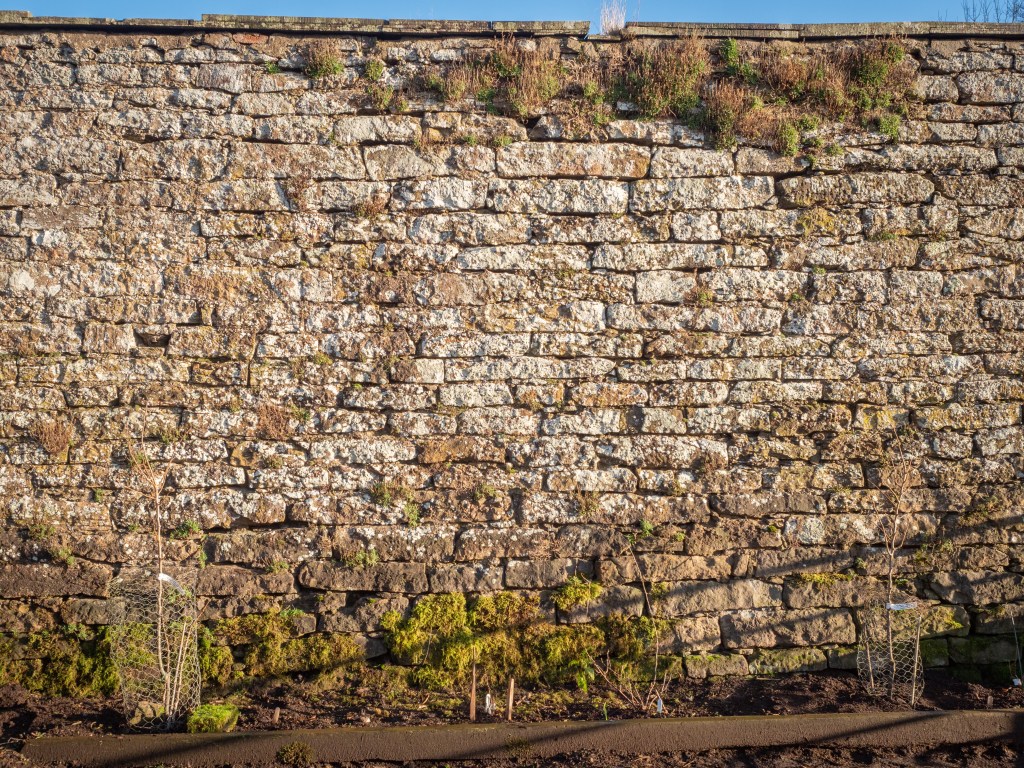
Hopefully 2023 will allow for a major evolution to take place in the forest garden(s) – one that will be free of any further rabbit interference.
I still find them unbearably cute though.
For now.
..

 The Bamff Walled Garden.