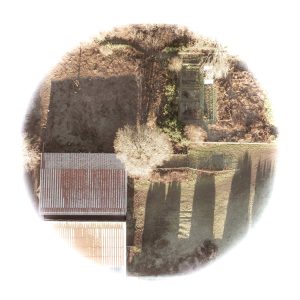

Like much of the landscape surrounding it, the Bamff Estate has been until very recently deeply entrenched in the world of livestock farming and commercial woodland plantations; all of which have contributed to the dramatic decline in biodiversity and increased degradation of the soil, which joins forces with the far greater destructive power of huge industrial scale agricultural farming found in the most fertile areas of the region (large swathes of which are not even feeding us).
As the threat of climate breakdown gathers pace and the degradation of soil is predicted to reach crisis levels within decades, the two pronged approach of rewilding plus local sustainable food growing becomes essential to help counter this impending tragedy. Can permaculture and the local sustainable growing of food provide for everyone? That probably depends on what diets people are prepared to live on. Although newer forms of food technology are on the way that will also need to be implemented, and hopefully their environmental impact will be significantly less than our current methods, as whatever the solutions truly are, we simply cannot carry on like this.
The rewilding of the Bamff estate gently began in the early 1990s, followed by the introduction of beavers in the early 2000s and now, in the 2020s, has accelerated dramatically with launch of the Bamff Wildland Project. The walled garden at Bamff will connect and overlap with the wildland project, starting a process that will eventually spill over the walls and onto other aspects of the estate, creating a symbiotic and symbolic relationship which will enrich both the land and us, and provide some hope for the future.
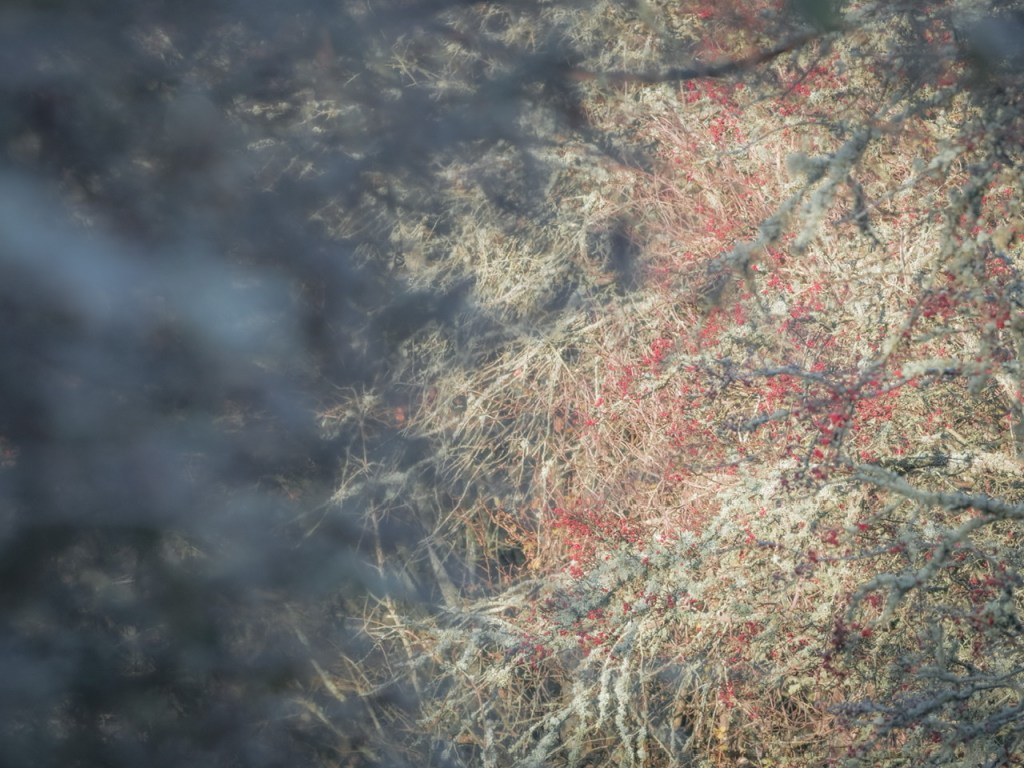

 The Bamff Walled Garden.